How to Start a Baby Clothing Business: 2026 Guide
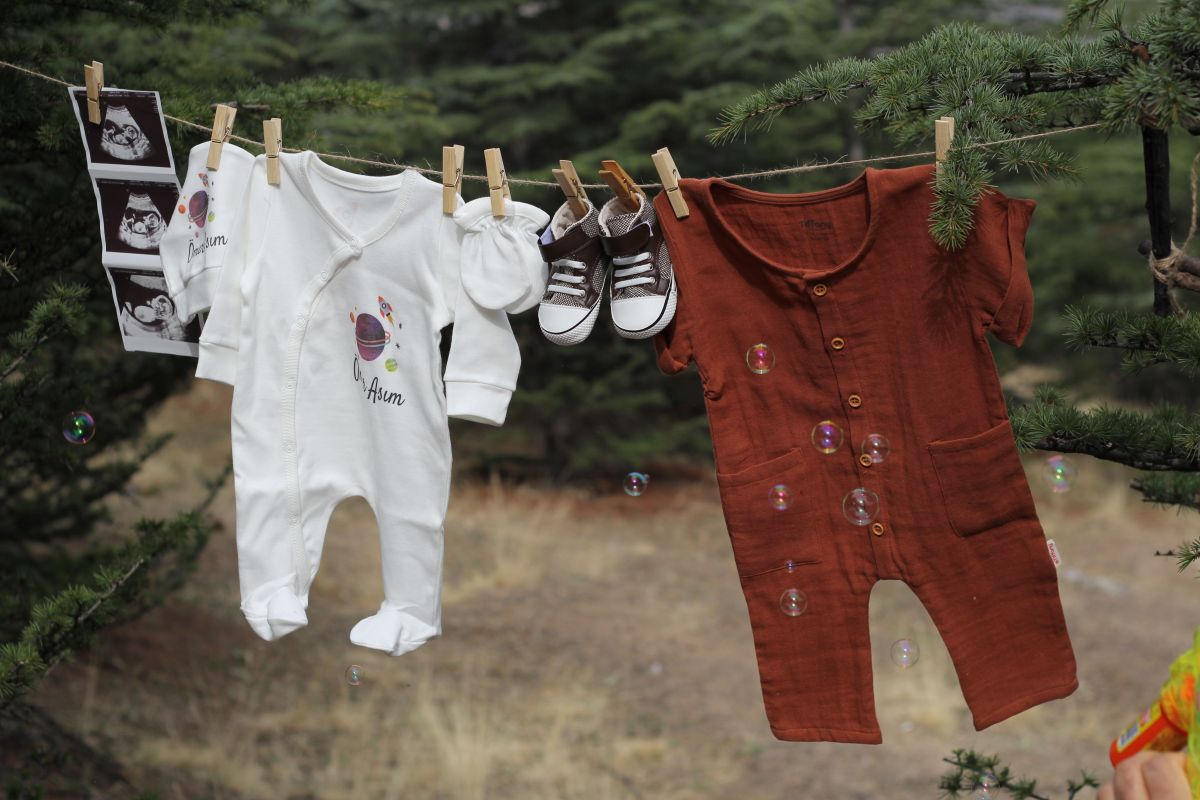
Starting a baby clothing business can be an exciting way to turn creative ideas into an online brand. From personalized baby onesies to matching family outfits, the niche offers plenty of room for unique products and gift-focused designs.
In this guide, we'll walk through how to choose a niche, select products, create a baby clothing brand, find a supplier, price your products, market your store, and start selling online.
Is a Baby Clothing Business Worth Starting in 2026?
Baby clothing has several characteristics that make it appealing to online sellers. Parents regularly shop for newborn clothing, while family members and friends also buy baby clothes as gifts. That creates demand around both everyday purchases and special occasions.
Personalization adds another opportunity. A plain baby bodysuit can become a more meaningful product when it features a baby's name, birth date, nickname, or a design connected to a specific event.
Why Baby Clothing Is an Attractive Niche
Baby clothing can work particularly well for ecommerce because many products are relatively simple to understand and easy to showcase visually. A customer can quickly understand what they're buying from a product photo and a short description.
There are also many occasions you can build collections around, including:
- Baby showers
- Newborn announcements
- First birthdays
- Holidays
- Family photos
- Sibling announcements
- Personalized gifts
This gives you more opportunities to create seasonal collections instead of relying on one type of design all year.
Choose a Baby Clothing Niche
One of the biggest mistakes new sellers make is starting with a broad idea such as "baby clothes for everyone." The more specific your target customer is, the easier it becomes to decide what products and designs belong in your store.
Personalized Baby Clothing
Personalized products are a natural fit for the baby niche. Consider designs featuring:
- Baby names
- Initials
- Birth dates
- Birth weights
- Nicknames
- Monograms
- Birth announcements
For example, instead of selling a generic white onesie, you could create a collection centered around personalized baby names.
Funny Baby Clothes
Humor can give your store a more recognizable personality.
You might create collections based on:
- Funny things babies "say"
- New-parent humor
- Food-related jokes
- Sleep jokes
- Sibling humor
- Dad and mom jokes
The key is to build a clear style rather than uploading random funny phrases.
Occasion-Based Baby Clothing
Another approach is to design products around specific events.
Popular themes can include:
- Baby showers
- Gender reveal parties
- Pregnancy announcements
- Newborn photos
- First birthdays
- First Christmas
- Easter
- Halloween
Occasion-based products also give you a natural reason to refresh your catalog throughout the year.
Matching Family Clothing
Matching products can help you expand beyond individual baby items.
For example, one design concept could become:
Mama + Baby → Dad + Baby → Big Brother + Baby → Matching Family
This lets you turn a single design idea into a small product collection rather than treating every product as a completely separate project.
Aesthetic and Lifestyle Niches
You can also build your brand around a particular visual identity or lifestyle, such as:
- Minimalist
- Cute and playful
- Cottagecore
- Sports
- Outdoors
- Animal lovers
- Retro
- Personalized typography
A focused aesthetic can make your store easier to recognize and can help your product photography look more cohesive.
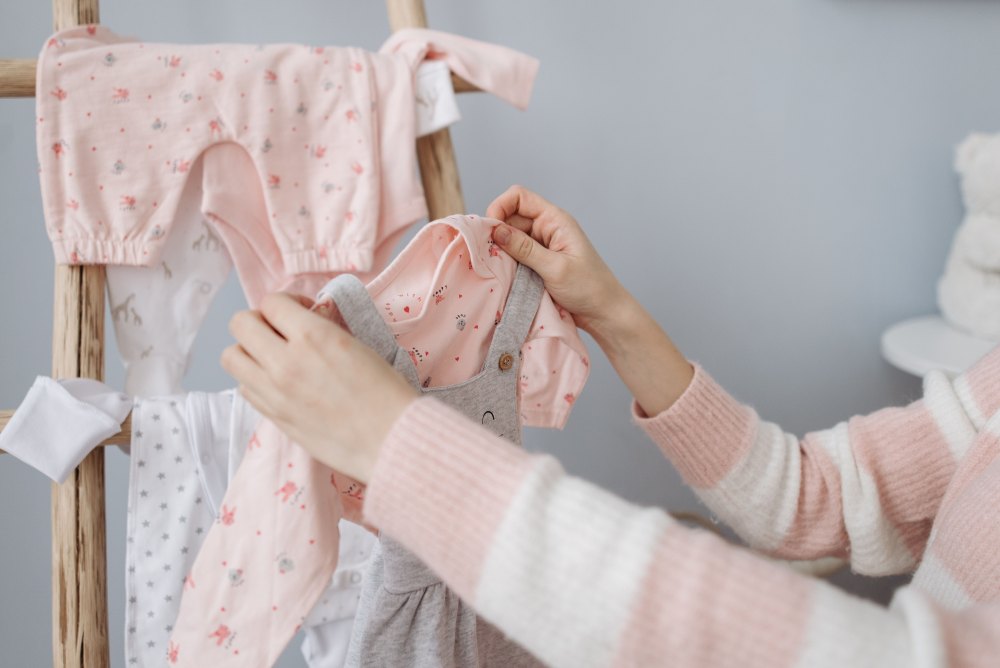
Decide What Baby Products to Sell
Once you've chosen a niche, decide which products should make up your initial catalog.
You don't need dozens of products to launch. In fact, starting with three to five core products can make testing and managing your store much easier.
Baby Onesies and Bodysuits
Baby onesies and bodysuits are natural starting points, especially for personalized designs.
You can create products around:
- Baby names
- Birth announcements
- Funny sayings
- Simple illustrations
- Holiday themes
- Matching family designs
The phrase "custom baby onesies" is also useful when thinking about your product positioning because customization gives the product a clear reason to exist.
Baby T-Shirts
Baby T-shirts can complement onesies and give customers another style option as babies grow.
You can reuse successful artwork across multiple products, which makes it easier to expand your catalog without creating every design from scratch.
Baby Rompers
Rompers can provide a slightly different look and may work especially well for seasonal or gift-focused collections.
Baby Sweatshirts and Hoodies
These can expand your catalog into cooler seasons and provide opportunities for seasonal collections.
For children's apparel, product construction and safety requirements should be considered carefully. For example, the U.S. Consumer Product Safety Commission has specific requirements concerning drawstrings in children's upper outerwear.
Matching Baby and Family Apparel
Once you have designs that perform well, matching products can increase the number of items customers can purchase from the same collection.
The important thing is to start with a manageable catalog and expand based on actual customer interest.
Choose Your Baby Clothing Business Model
There isn't one correct way to start a baby clothing business. Your best model depends on your budget, production capabilities, and how much inventory risk you're comfortable taking.
| Business Model | Inventory | Upfront Cost | Production Control | Best For |
|---|---|---|---|---|
| Handmade | Yes | Medium–High | High | Makers and small batches |
| Wholesale/Reselling | Yes | Medium | Medium | Retail-focused sellers |
| Private Label | Usually | High | High | Established brands |
| Print on Demand | No | Low | Medium | New and online sellers |
Handmade
Making products yourself gives you a high level of control over materials, production, and packaging. However, it also means your time becomes part of your production cost. As order volume increases, fulfilling every order yourself can become difficult.
Wholesale or Reselling
Buying finished products in bulk can simplify production, but you usually need to purchase inventory before you've sold it. This can work well for established retailers, but it creates more financial risk for someone testing a new product idea.
Private Label
Private label gives you more control over the product itself and can be useful when building a long-term brand. The tradeoff is that manufacturers often require larger commitments, making this model more suitable when you already have proven products and predictable demand.
Print on Demand
Print on demand takes a different approach. Instead of purchasing inventory in advance, products are generally produced when an order is received. The supplier can print, pack, and ship the order on the seller's behalf. That can make POD attractive for new sellers who want to test designs without purchasing a large amount of inventory.
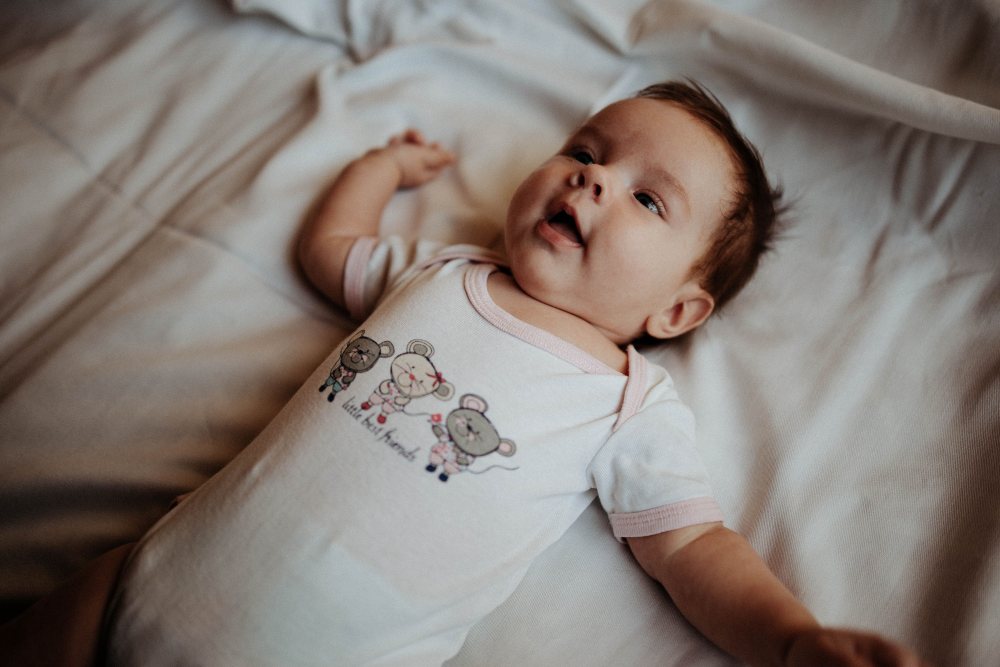
Create Your Baby Clothing Brand
A successful baby clothing business isn't just a collection of products. It should feel like a brand.
Choose a Brand Name
Pick a name that's easy to remember, spell, and associate with your niche. You don't necessarily need "baby" in the name. A broader name can give you room to expand into children's or family products later.
Define Your Brand Style
Ask yourself:
What should someone think when they first see my store?
Maybe your brand is:
- Cute and playful
- Minimalist and modern
- Funny and relatable
- Premium and elegant
- Personalized and sentimental
A defined visual direction will make your product designs, photography, website, and social media feel more connected.
Create Your Logo and Visual Identity
You don't need a complicated brand system at the beginning. A simple logo, consistent typography, and a small set of visual elements can be enough to make a new store look professional.
Create Consistent Product Photography
Product imagery is especially important for online clothing businesses. Use consistent backgrounds, lighting, and image proportions across your catalog. Shopify's guidance for selling baby clothes also emphasizes professional product photography and well-written product pages when setting up an online store.
Design Baby Clothes Customers Will Actually Want to Buy
Good design isn't about making something that looks cute to you. It's about creating something that fits a specific customer's taste or need.
Design Around a Specific Customer
Instead of saying:
"I'm designing something for parents."
Try something more specific:
"I'm designing personalized newborn outfits for parents looking for meaningful baby shower gifts."
That simple shift makes decisions about colors, fonts, wording, and product photography much easier.
Keep Designs Simple and Readable
Baby clothing often benefits from clean designs.
For personalized baby onesies, for example, a simple name with a playful font may work better than a crowded design containing multiple illustrations, colors, and text elements.
Pay attention to:
- Font readability
- Color contrast
- Print placement
- Visual balance
- Personalization areas
Design Collections Instead of Individual Products
Think in themes.
For example:
"Little Explorer"
could become:
- Baby onesie
- Baby T-shirt
- Toddler shirt
- Sweatshirt
- Matching family shirt
A collection creates a stronger brand experience and gives customers more ways to buy the same concept.
Use Design Tools
You don't need expensive software to start experimenting with product ideas.
Depending on your skills, you can use tools such as Canva, Adobe Illustrator, Photoshop, Procreate, or AI-assisted design tools.
The most important thing is not which software you choose, but whether your final designs are original, commercially usable, and suitable for the product you're printing.
Find a Reliable Baby Clothing Supplier
Your supplier can have a major impact on your customer experience. A great design won't make up for poor product quality, inaccurate sizing, or unreliable fulfillment.
What to Look for in a Supplier
Compare suppliers based on:
- Product quality
- Fabric and construction
- Printing quality
- Size consistency
- Production time
- Shipping options
- Fulfillment reliability
- Customer support
- Ecommerce integrations
Don't automatically choose the supplier with the lowest product price. A slightly cheaper item can become expensive if it produces more refunds, complaints, or replacement orders.
Order Samples Before Selling
Always test products yourself before building your store around them.
Order samples and check:
- Fabric feel
- Fit and sizing
- Print placement
- Print quality
- Color accuracy
- Packaging
- Shipping time
This is especially important when selling products for babies. You need to understand exactly what you're offering before customers receive it.
Compare Total Costs, Not Just Product Prices
Your real cost isn't simply the supplier's product price.
Consider:
Product Cost + Shipping + Platform Fees + Payment Fees + Marketing Cost = Total Cost
This number will give you a much more realistic basis for pricing.
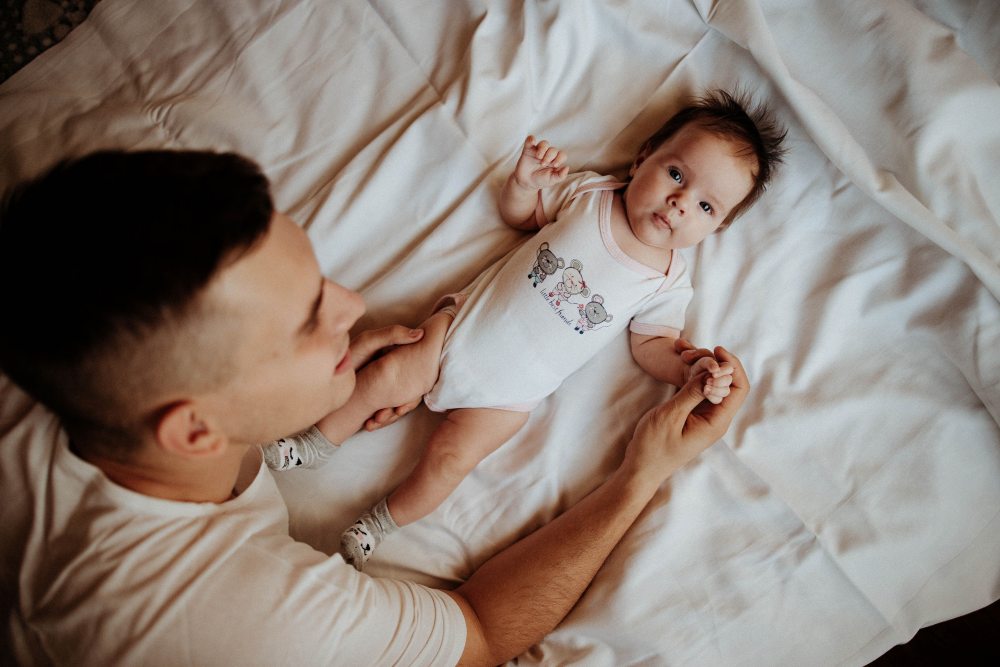
How to Start a Baby Clothing Business With Print on Demand
For entrepreneurs who want to test a baby clothing niche without committing to inventory, print on demand can simplify the process.
A typical POD workflow looks like this:
Step 1: Choose a POD Platform
Choose a supplier that offers the products, printing options, shipping, and integrations you need.
For PeaPrint sellers, the model is straightforward: choose a product, upload your design, set your selling price, and let the platform handle production and fulfillment when orders come in.
Step 2: Choose Your Baby Products
Start with a small group of products, such as:
- Baby onesies
- Baby bodysuits
- T-shirts
- Sweatshirts
- Hoodies
You can then build collections around your chosen niche.
Step 3: Upload Your Designs
Prepare your artwork according to the supplier's specifications.
Before publishing, check the print area, dimensions, resolution, and placement to make sure the finished product will look the way you expect.
Step 4: Create Product Mockups
Good mockups help customers imagine the product in real life.
For baby clothing, consider showing:
- Front and back views
- Close-ups of the design
- Baby lifestyle scenes
- Gift-oriented images
- Matching family outfits
Step 5: Set Your Retail Price
Calculate your total costs first and then add your desired profit.
Don't simply copy a competitor's price without understanding their cost structure.
Step 6: Connect Your Store
Depending on your business setup, you can sell through ecommerce platforms and marketplaces such as Shopify, Etsy, WooCommerce, or Amazon.
Shopify's current guidance for selling baby clothes similarly recommends setting up product pages, choosing sales channels, and using ecommerce marketing tools to bring products in front of customers.
If you're selling on Etsy with a production partner, remember that Etsy requires sellers to disclose qualifying production partners on applicable listings and to accurately represent shipping information.
Step 7: Publish and Test
You don't need 50 products before launching.
Start with a small collection, track which designs receive clicks and sales, and use that information to decide what to expand.
That testing approach is one of the biggest advantages of a low-inventory business model.
10 Custom Baby Clothing Ideas to Inspire Your First Collection
Need ideas for your first products? Start with themes that naturally connect baby clothing with personalization, gifting, and important life moments.
1. Baby Name Onesies: Put the baby's first name or initials at the center of a clean, playful design. This is a simple way to turn a basic onesie into a personalized gift.
2. Birth Announcement Onesies: Create designs featuring the baby's name, birth date, or other details. These can be positioned around newborn photos and family announcements.
3. Funny Baby Onesies: Use short, easy-to-read phrases that relate to parenting, naps, food, or family life.
4. Baby Shower Designs: Create products specifically for baby shower gifts, including neutral designs that work when the baby's name or other details aren't known yet.
5. First Birthday Clothing: Design around milestones such as "One," "First Birthday," or themed birthday celebrations.
6. Newborn Photo Designs: Minimal typography and simple graphics can work especially well for newborn photography sessions.
7. Sibling Announcement Designs: Create designs for introducing a new baby to the family, such as Big Brother or Big Sister themes.
8. Matching Family Clothing: Turn one theme into coordinated products for the baby, parents, and siblings.
9. Holiday Baby Clothing: Create seasonal designs for Christmas, Halloween, Easter, Valentine's Day, or other celebrations.
10. Pet-Themed Baby Clothing: Animal-themed designs can work particularly well when they're personalized around the family's pet or favorite animal.
The best part is that one successful concept can often be adapted into several products without completely reinventing the design.
How Much Does It Cost to Start a Baby Clothing Business?
The startup cost depends heavily on your business model.
A traditional clothing business may require inventory, manufacturing, storage, packaging, and other upfront expenses. A POD business can reduce the amount of money tied up in inventory because products are produced after customers order them. Shopify also describes POD as a model that allows sellers to start without investing in inventory or printing equipment.
A basic online POD business might have expenses such as:
| Expense | What It Covers |
|---|---|
| Store | Ecommerce platform and domain |
| Samples | Testing your products before launch |
| Branding | Logo and visual assets |
| Design | Software or design resources |
| Marketing | Ads, content, creators, or social promotion |
| Product testing | Launching and evaluating new designs |
The exact amount you spend can vary significantly.
The important point is that you don't need to spend heavily on inventory before knowing whether customers actually want your products.
Traditional vs. POD Startup Costs
With traditional inventory, you pay for products before you've sold them.
With POD, you generally pay for production when an order is placed.
That doesn't make POD free, but it can make the financial risk easier to manage when you're testing a new niche.
How to Price Baby Clothes for Profit
Pricing is about more than looking at what competitors charge.
Start with your actual costs.
Selling Price − Product Cost − Shipping − Platform Fees − Marketing Costs = Profit
For example, if you sell a personalized baby onesie for $24.99, the full $24.99 isn't your profit. You still need to account for fulfillment, shipping, transaction fees, and customer acquisition.
Don't Compete Only on Price
Trying to become the cheapest seller can be difficult for a small business.
Instead, focus on the value of the product.
Personalization can make a product feel more meaningful than a generic alternative. A customer may be willing to pay more for a thoughtfully designed item featuring a baby's name or a memorable occasion.
Consider Perceived Value
Think about what you're actually selling.
You're not only selling fabric and ink. You're selling:
- Personalization
- Convenience
- Design
- Gift value
- A memorable moment
That doesn't mean you can charge any price you like, but it does mean product positioning matters.
Test Different Price Points
Your first price doesn't have to be your permanent price.
Track your conversion rate, profit per order, and customer response, then adjust as you learn more about the market.
Where to Sell Baby Clothes Online
Once your products are ready, you need somewhere to sell them.
Etsy
Etsy can be particularly interesting for personalized and gift-oriented products because shoppers already visit the marketplace looking for distinctive items.
If you use a production partner, make sure your listings follow Etsy's current production-partner requirements and disclose the partnership where required.
Shopify
Shopify gives you more control over your own storefront and brand experience.
It's a good option when your long-term goal is to build an independent baby clothing brand rather than rely entirely on a marketplace.
Amazon
Amazon provides access to a large marketplace, although competition and platform requirements can make it a different environment from Etsy or your own store.
Social Commerce
Platforms such as Instagram and TikTok can help you build awareness around visually appealing baby products.
Short videos can show product ideas, design processes, seasonal collections, or real-world styling.
You don't necessarily have to choose just one channel. Many online sellers eventually combine their own store with marketplaces and social channels.
How to Market Your Baby Clothing Business
A strong product doesn't automatically generate sales. You also need to give potential customers a reason to discover it.
Create Content Around Life Moments
Baby products are naturally connected to moments people search for and share.
Create content around:
- Baby shower ideas
- Newborn photo ideas
- First birthday outfits
- Pregnancy announcements
- Family matching outfits
- Holiday baby outfits
This gives you marketing themes throughout the year.
Use Pinterest for Design Inspiration
Pinterest can be especially useful for visual niches such as baby clothing.
Create content around specific themes rather than only posting individual products.
For example:
"20 Personalized Baby Shower Gift Ideas"
can introduce potential customers to several related products.
Create Short-Form Video
Short videos can demonstrate:
- New product launches
- Design ideas
- Before-and-after personalization
- Matching family outfits
- Seasonal collections
- Packaging and fulfillment
The goal isn't to make every video promotional. Helpful or entertaining content can introduce people to your brand before they're ready to buy.
Optimize Your Product SEO
Use the language customers actually search for.
Depending on the product, relevant keywords may include:
- custom baby onesies
- personalized baby onesies
- custom baby clothes
- personalized baby clothes
- baby bodysuits
- newborn onesies
- custom baby clothing
Don't force keywords into every sentence. Build pages around clear search intent and use natural variations throughout your titles, headings, descriptions, and supporting content.
Encourage User-Generated Content
Baby clothing is naturally visual, which makes customer photos valuable.
With appropriate customer permission, real-life photos can help potential buyers understand how your products look outside a studio mockup.
Common Mistakes New Baby Clothing Businesses Make
Mistake 1: Starting With Too Many Products
A huge catalog can make a new store difficult to manage.
Start with a focused collection and expand based on demand.
Mistake 2: Copying Competitors
Researching competitors is useful. Copying them isn't.
Build designs and branding that give customers a reason to choose you.
Mistake 3: Ignoring Product Quality
Don't assume attractive mockups guarantee a good product.
Order samples and evaluate the actual garment before launching.
Mistake 4: Underpricing Products
If you forget shipping, transaction fees, advertising, or other costs, a product can generate sales while still losing money.
Mistake 5: Buying Too Much Inventory
This is one of the biggest risks when starting an untested clothing business.
A low-inventory or POD model can help you test products before making larger commitments.
Mistake 6: Not Testing Designs
Your favorite design isn't necessarily your customer's favorite.
Launch multiple variations and pay attention to actual customer behavior.
Mistake 7: Ignoring Customer Experience
Fast replies, accurate product information, clear sizing, realistic shipping expectations, and professional packaging can all influence whether a customer buys again.
How to Grow Your Baby Clothing Business
Once you've identified products that customers like, growth becomes less about adding random products and more about building on what already works.
Double Down on Best-Selling Designs
If one theme consistently performs well, consider creating additional products around it.
A popular personalized onesie design could become a T-shirt, sweatshirt, toddler shirt, or family matching set.
Expand Into Matching Products
Matching products can increase the number of items available within the same collection.
For example:
Baby Onesie → Toddler Shirt → Mom Shirt → Dad Shirt
This can help you build larger product collections without developing completely unrelated designs.
Build Seasonal Collections
Seasonal collections can create new reasons for existing customers to shop throughout the year.
Think:
- Spring
- Easter
- Summer
- Halloween
- Thanksgiving
- Christmas
- Valentine's Day
The goal is to plan seasonal launches before the occasion arrives rather than adding products at the last minute.
Build a Recognizable Brand
Ultimately, the goal shouldn't just be to sell individual baby clothes.
A successful business can grow into a recognizable brand with a consistent design language, customer base, product style, and reason for customers to return.
Start Your Baby Clothing Business With PeaPrint
You don't need a warehouse full of inventory to test your first baby clothing collection.
With print on demand, you can focus on what you do best—choosing a niche, creating designs, building your storefront, and marketing your products—while a POD partner handles production and fulfillment after an order is placed.
With PeaPrint, you can:
- Sign up for an account
- Choose your baby clothing products
- Upload your designs
- Set your retail prices
- Connect your ecommerce store
- Publish your products and start selling
The best way to discover which baby clothing ideas work isn't to guess. Launch a focused collection, collect real customer data, and use what you learn to build the next one.
Start creating your baby clothing business with PeaPrint.
FAQs
Is Baby Clothing Too Competitive?
Competition is real, but you don't need to compete with every baby clothing brand. Instead, look for a specific audience or design direction. A store built around personalized birth announcement clothing has a different identity from a store selling funny baby clothes, minimalist designs, or matching family outfits. The goal isn't to sell everything. It's to find a small niche you can understand, design for, and market consistently.
Is a baby clothing business profitable?
A baby clothing business can be profitable when you combine the right products, pricing, design strategy, and marketing. Personalized products can be particularly attractive because they offer additional perceived value beyond a basic garment. Your actual profitability will depend on product costs, shipping, platform fees, marketing expenses, and sales volume.
How much does it cost to start a baby clothing business?
There is no single startup cost. A traditional business may require inventory and manufacturing expenses, while a print-on-demand business can be started with less upfront inventory investment. You'll still need to budget for your store, samples, designs, marketing, and other operating expenses.
What baby clothes are best to sell online?
There isn't one universally best product. Baby onesies, bodysuits, T-shirts, rompers, sweatshirts, and matching family apparel can all fit different niches. Personalized baby clothing and occasion-based products can be especially useful starting points because they give you clear themes to design and market around.