What Is Sublimation Printing and Why Choose It for All-Over Print Clothing?
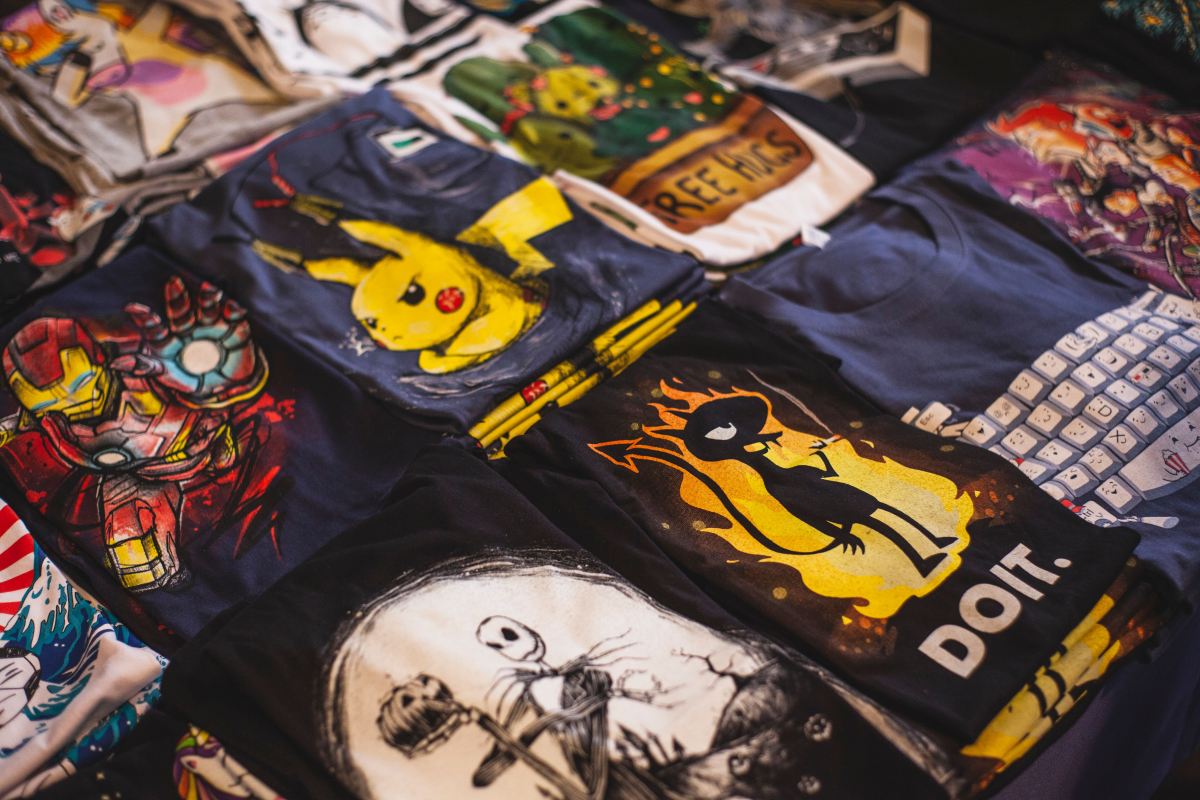
Have you ever bought a graphic tee only to have the design crack, peel, or feel like a heavy plastic shield after just a few washes? Traditional printing methods often limit artwork to a small, restrictive box on the front of a shirt, compromising both style and everyday comfort. But modern apparel demands more creative freedom.
Enter all-over print (AOP) clothing powered by sublimation printing. This game-changing technique allows vibrant designs to flow seamlessly from seam to seam while keeping the fabric entirely soft and breathable. In this guide, we will explore exactly what sublimation printing is, how it works, and why it is the ultimate choice for bringing your AOP clothing line to life.
What is sublimation printing and how does it work?
Sublimation printing is a digital printing technique that uses heat and pressure to transfer dye directly into a fabric's fibers. Instead of laying ink on top of the garment like a traditional screen print, sublimation chemically bonds the artwork with the material itself.
Here is the complete step-by-step process:
- Printing: The design is mirrored and printed onto special transfer paper using solid sublimation inks.
- Heat and Pressure: The printed transfer paper is placed onto the blank fabric (typically polyester) inside an industrial heat press.
- Gas Transfer: Under high heat (usually around 400°F) and firm pressure, the solid ink instantly vaporizes into a gas, permeating the fabric's open pores.
- Permanent Bond: As the material cools down, the fibers close back up, permanently locking the vibrant colors inside the fabric.
What Is All-Over Print (AOP) Clothing?
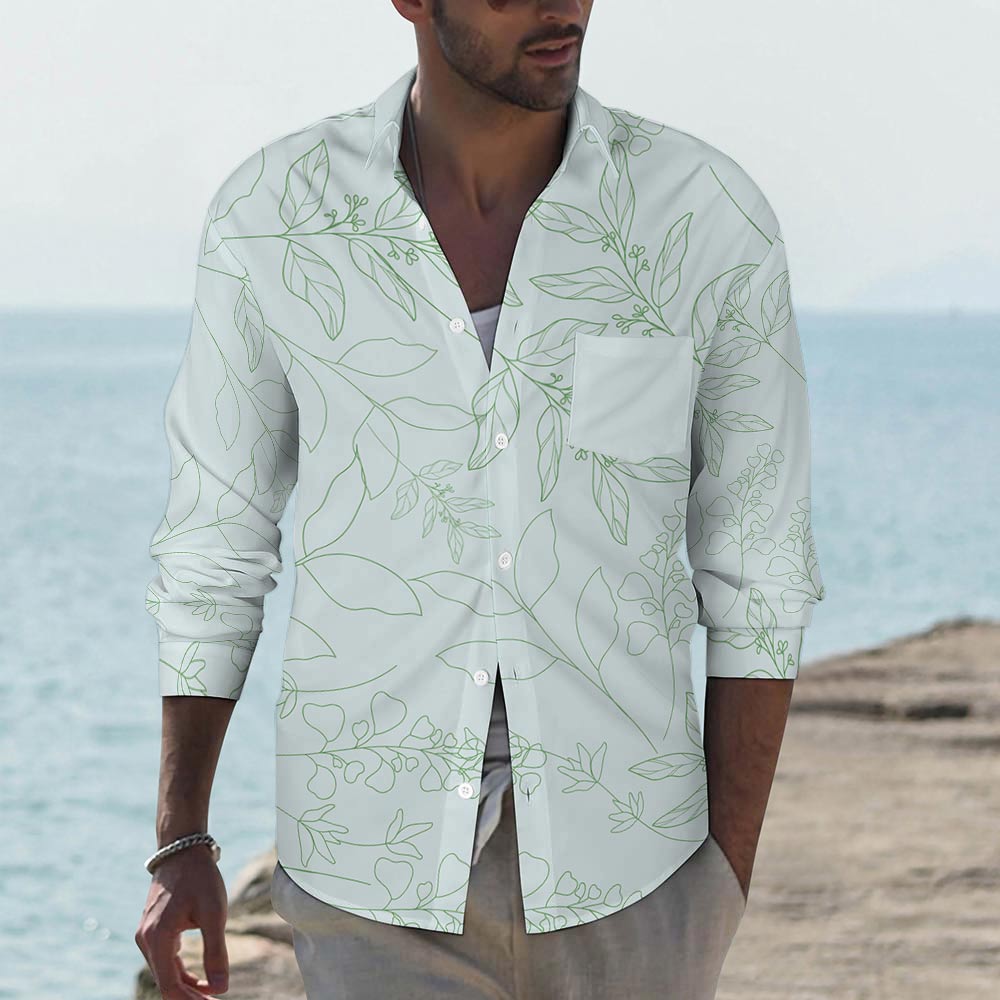
All-over print (AOP) clothing is exactly what it sounds like: garments where the artwork covers every single inch of the fabric. Rather than being confined to a standard, rectangular print area on the chest or back, the design spans edge-to-edge, continuously running from the collar down to the hem and across both sleeves. This seam-to-seam canvas is perfect for bold patterns, striking gradients, and immersive graphics.
All-Over Print Clothing Pros
- Limitless Design Freedom: You are no longer restricted by printing boxes, allowing for fully continuous, 360-degree visual experiences.
- Premium Aesthetic: AOP garments look highly customized and professional, helping your brand stand out in a competitive streetwear or activewear market.
- No Unprinted Margins: When combined with cut-and-sew manufacturing, your design flows seamlessly without awkward blank spaces.
All-Over Print Clothing Cons
Fabric Constraints: AOP printing techniques, especially sublimation, heavily rely on synthetic materials like polyester, which may not appeal to 100% cotton purists.
Complex File Preparation: Designing for an entire garment requires precise sizing, pattern scaling, and careful attention to templates to ensure elements align perfectly across all clothing sizes.
Why choose sublimation printing for all-over print clothing?
There are many ways to produce custom apparel, but sublimation printing is virtually the industry standard for creating garments with all-over prints. Here is why this innovative technology has become the top choice for modern clothing brands.
1. Vivid and detailed print quality
Traditional printing methods (such as screen printing or DTG) "stack" ink onto the fabric surface, creating a rubbery layer; if applied as an all-over print, the garment becomes stiff like cardboard, completely sacrificing breathability and comfort.
In contrast, dye-sublimation technology infuses the dye directly into the fibers, leaving no raised, rubbery texture on the printed areas. Even when the design covers the entire garment, the fabric retains its original softness, drape, and breathability. Consequently, dye-sublimation is the ideal technology for all-over printed apparel.
2. Vibrant and detailed printing results
AOP designs often feature expansive, complex gradients, high-resolution photographs, or vibrant colors. Dye-sublimation technology excels in color fidelity, saturation, and tonal transitions, perfectly capturing the visual impact required for AOP designs.
3. Print durability
Since AOP (All-Over Print) garments feature patterns across the entire piece, the clothing would quickly be ruined if the print were prone to coming off. However, because the dye used in sublimation printing fuses with the fibers, the print does not crack, peel, or easily fade, and can even withstand countless machine washes.
4. Quick turnaround time
Sublimation is a highly efficient digital process. Unlike traditional screen printing, there is no need for time-consuming screen setups, color separations, or drying times. Once your design file is prepped, printing and heat pressing can happen rapidly, making this technology ideal for on-demand printing businesses.
5. No order minimums
Because it relies on digital technology, sublimation is incredibly cost-effective for small batches. Whether you need to print a single custom shirt for a customer or a bulk order for an event, print-on-demand (POD) production allows you to fulfill orders individually without the financial risk of holding massive inventory.
6. Eco-friendliness
Sublimation is a relatively sustainable and safe printing option. The process uses virtually zero water compared to traditional fabric dyeing methods. Additionally, it utilizes safe, water-based sublimation inks and produces minimal waste, aligning perfectly with the growing consumer demand for environmentally conscious fashion. You can therefore proudly inform consumers that this product was manufactured using an environmentally friendly process.
What can you sublimate on?
Sublimation printing requires polymer-based materials; it works on fabrics with high polyester content or rigid materials treated with a special polymer coating. Below are popular product categories you can easily customize with PeaPrint.
Apparel
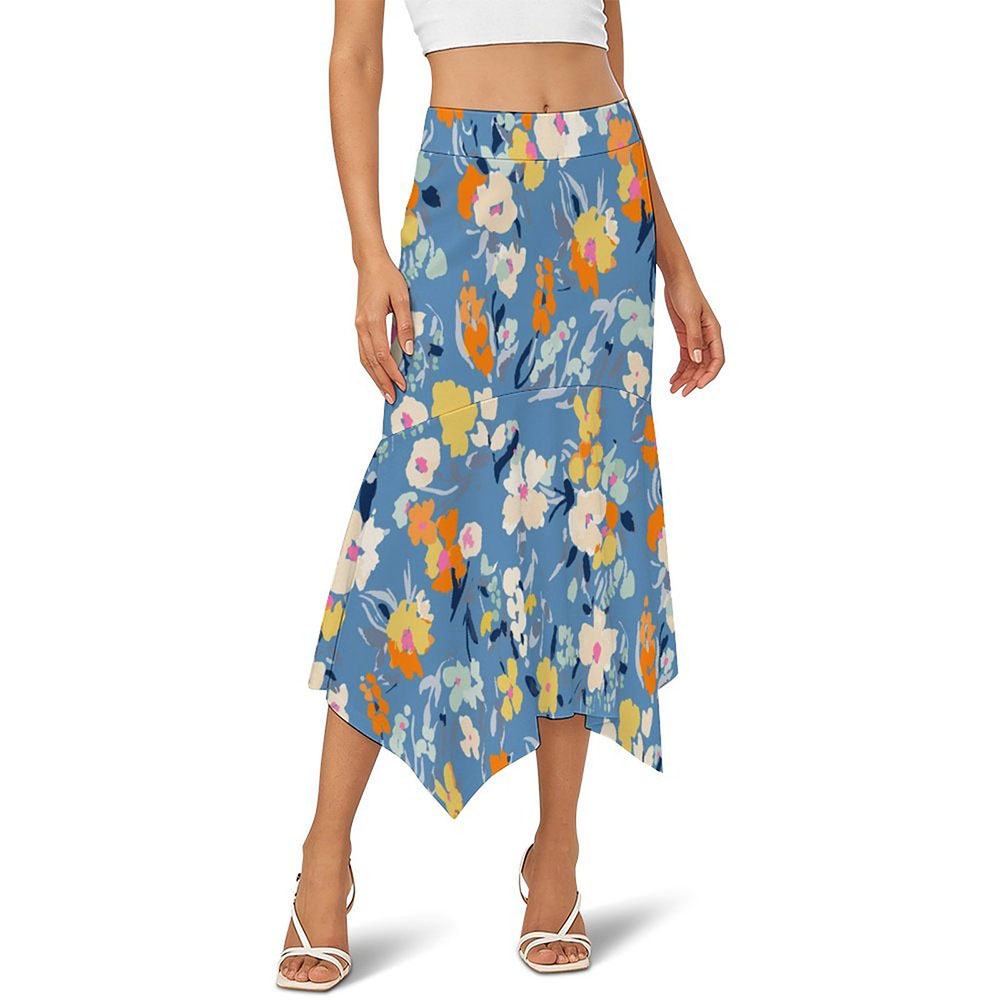
Apparel is the ultimate canvas for sublimation, especially when creating all-over print designs. At PeaPrint, you can customize a vast catalog of AOP clothing, ranging from breathable custom t-shirts and cozy hoodies to flexible yoga leggings. The synthetic fibers ensure that your activewear and streetwear remain vibrant, soft, and comfortable wear after wear.
Click to view the following sublimation-printed clothing:
Accessories
Beyond everyday garments, sublimation is perfect for expanding your brand into stylish accessories. You can effortlessly apply your seamless patterns and bold artwork to custom tote bags, durable backpacks, and vibrant novelty socks, allowing your customers to carry your unique aesthetic wherever they go.
Mugs
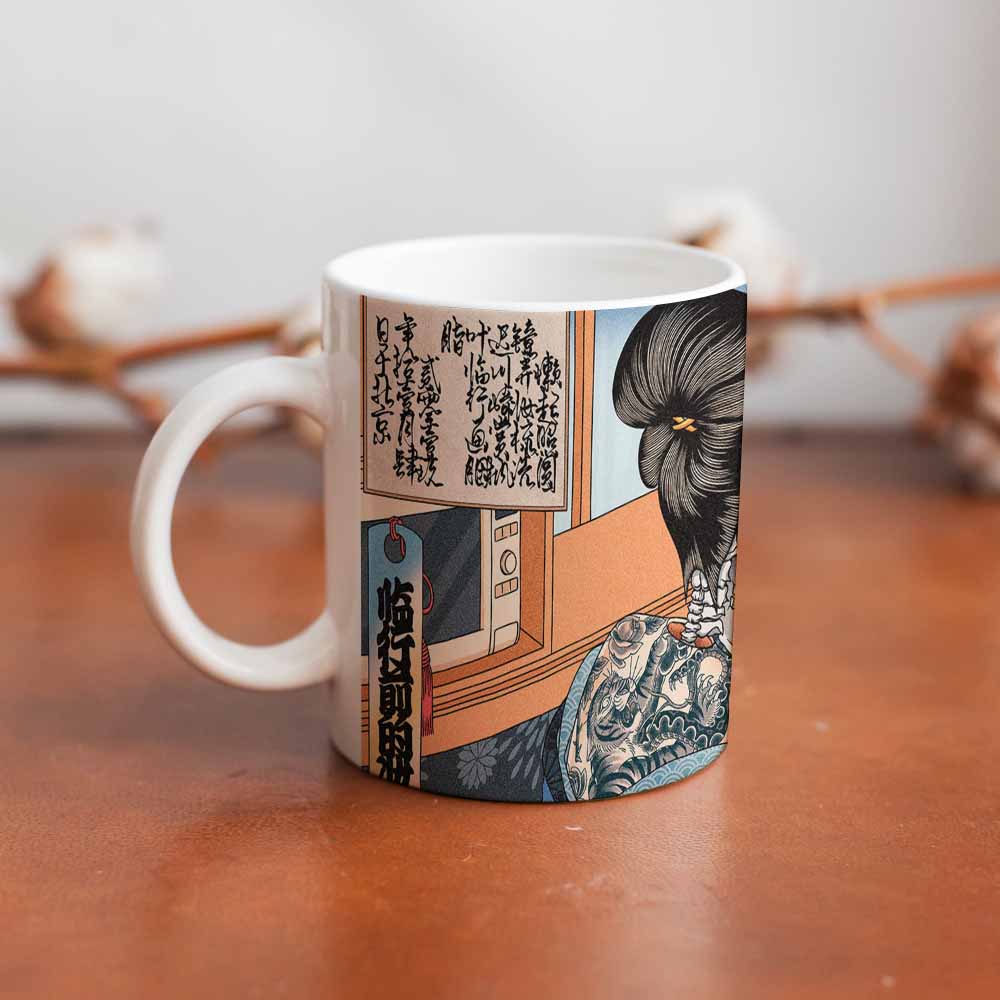
Hard goods are completely fair game for sublimation as long as they feature a specialized poly-coating. Custom ceramic mugs and stainless steel tumblers are perennial bestsellers in the print-on-demand industry. The sublimation process creates briliant, high-definition graphics that are remarkably dishwasher and microwave safe.
Home decor
Sublimation can completely transform a living space with fade-resistant art. You can apply full-color, edge-to-edge designs to cozy fleece blankets, decorative throw pillows, and soft bath towels. PeaPrint’s sublimated home decor items guarantee a premium visual appeal while maintaining a wonderfully soft touch for any room in the house.
How to prepare a design file for sublimation printing
Getting the best results from sublimation printing starts with a flawless design file. If you're new to digital print file prep, here's everything you need to know to nail your print files:
Dimensions and Resolution: Always build your artwork at a high resolution—ideally 300 DPI (dots per inch) at the actual physical print size. Low-resolution graphics will look pixelated or blurry when scaled up to fit a garment.
Color Profile: Even though the physical printers use CMYK inks, most print-on-demand platforms require you to upload your digital files in an sRGB color profile to ensure the most vibrant and accurate color translation.
File Format: Export your final artwork as a high-quality PNG or JPEG. PNG is highly recommended, especially if your design features transparent backgrounds.
Bleed and Safe Zones: For AOP items, it is crucial to extend your background pattern all the way to the template's edges (the bleed area). This prevents any unwanted white gaps or unprinted borders during the heat transfer and sewing process. Meanwhile, keep vital elements like text or logos strictly within the safe zones so they are not cut off by seams.
Create your all-over print clothing line with PeaPrint
Ready to turn your creative vision into a profitable reality? Starting your own all-over print clothing line is incredibly simple with PeaPrint’s seamless print-on-demand platform. Here is how you can launch your collection in just four easy steps:
1. Create a Free Account: Sign up for PeaPrint in seconds—there are no upfront costs, no subscription fees, and no inventory required.
2. Select Your Products: Browse our extensive catalog and pick your favorite AOP blanks, from classic tees and cozy hoodies to premium activewear.
3. Upload and Customize: Use our intuitive mockup generator to upload your perfectly prepped design files. Adjust the placement, ensure your patterns cover the bleed areas, and preview your stunning mockups.
4. Publish or Order: Seamlessly connect PeaPrint to your e-commerce store (like Shopify or Etsy) to start selling immediately, or simply place a sample order to experience the vibrant sublimation quality for yourself.
Start designing with PeaPrint today and build the brand you have always dreamed of!
FAQs
Can sublimation be done on dark-colored fabric?
Generally, no. Sublimation printing uses transparent dyes and does not utilize white ink. Trying to sublimate on a dark fabric is like using a yellow highlighter on black paper—the design simply will not show up. Because of this, sublimation requires white or very light-colored polyester blanks to ensure your designs look vibrant and accurate.
How long does sublimation last on shirts?
Sublimation prints are virtually permanent. Because the ink chemically bonds with the synthetic fibers at a molecular level, the print will last exactly as long as the physical garment itself, maintaining its original sharpness for years.
Will the all-over print fade, crack, or peel after washing?
Absolutely not. Unlike traditional screen printing or direct-to-garment (DTG) methods where thick ink sits on top of the material, sublimated dye becomes entirely embedded into the fabric. This guarantees a completely smooth, breathable finish that will never crack, peel, or wash out, no matter how many laundry cycles it goes through.