How to start a kids’ clothing line in 8 steps
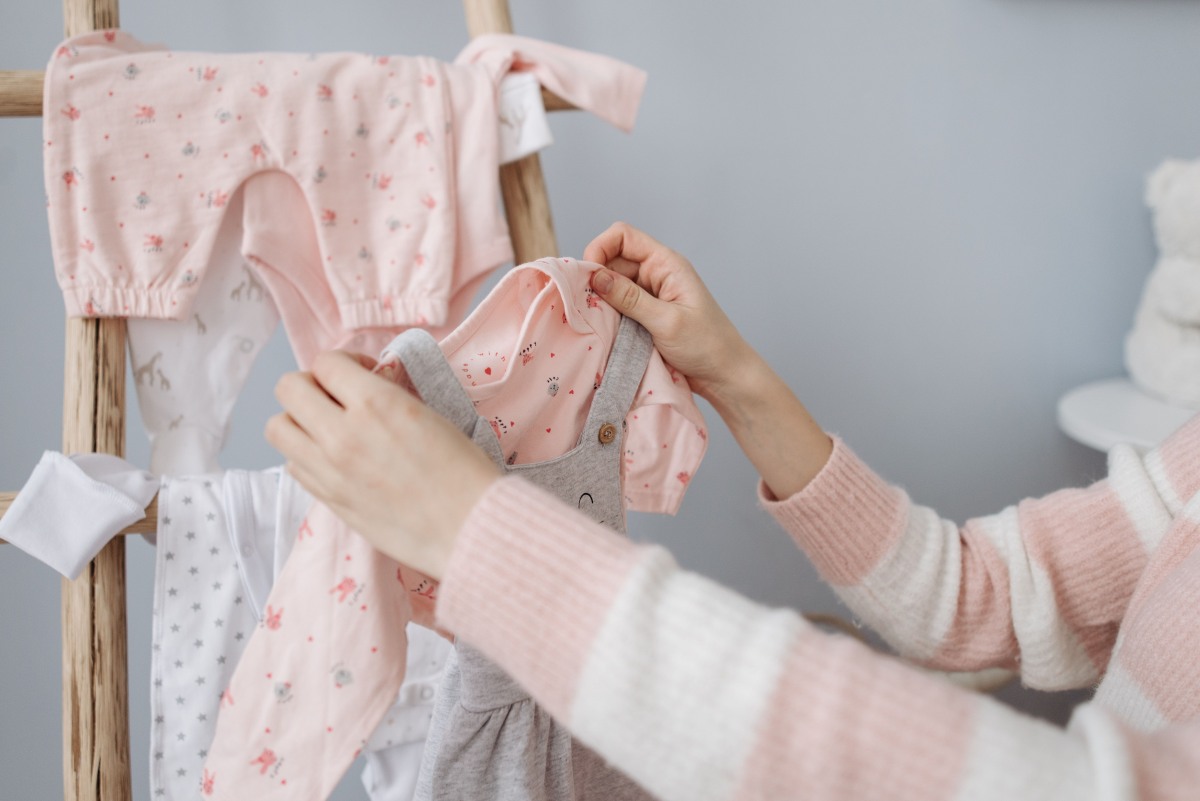
Starting a clothing brand doesn't have to be about fashion apparel; children's wear is becoming an excellent entry point. However, establishing a children's clothing brand demands more than just creativity, it requires making a series of critical decisions. In this guide, we will walk you through the process of building your own brand, covering everything from selecting a market niche and understanding your target audience to developing your brand identity and determining your production methods
Is kids' clothing a profitable niche?
Kids' clothing has several characteristics that make it attractive for new ecommerce businesses. Demand is recurring because children regularly outgrow their clothes, and parents shop for different seasons, school periods, holidays, birthdays, and family events.
The global kids' clothing market is valued at $241.64 billion in 2026 and is projected to reach $423.01 billion by 2034. Such a massive market holds boundless business opportunities. While dropshipping generic white-label children's clothing may no longer be highly profitable, targeting a niche market and creating unique clothing lines through a flexible print-on-demand model offers a surefire way to secure a share of this market.
How to build a kids' clothing brand?
Building a kids' clothing line is less about launching dozens of products at once and more about making a series of smart decisions before you start selling. Your target customer, product type, design style, fulfillment method, and sales channel should all fit together.
1.Research the kids' fashion market
Before designing your first product, spend some time understanding what parents and children are actually wearing and buying.
Explore kids' fashion trends
Trend research does not mean chasing every viral design. Instead, look for patterns that could remain relevant long enough for you to build products around them.
- Follow kids' fashion publications, brand launches, social media accounts, Pinterest content, TikTok creators, and major retailers to see what styles are gaining attention. Google Trends can help you compare search interest over time, while Etsy and other marketplaces can show you the types of designs sellers are actively offering.
- Color is one area worth watching closely. Soft neutrals, playful pastels, earthy shades, and brighter seasonal colors can all create different brand moods. You can also look at how colors are being combined rather than simply copying a specific palette.
- Prints and graphics are particularly important for a custom kids' clothing business. Parents may be looking for animal graphics, personalized names, playful illustrations, holiday themes, or designs connected to their children's interests.
- It is also worth leaving room for different style preferences. Some parents prefer minimalist clothing with subtle graphics, while others want colorful all over print pieces. A successful kids' clothing brand does not necessarily need to appeal to everyone. It needs to understand one particular customer well.
3 unique needs of children's clothing
- Comfort: Comfort matters because children move, play, sleep, and spend long periods in their clothes. Fabric texture, fit, stretch, weight, and breathability can all affect whether a garment becomes a favorite or stays at the bottom of a drawer.
- Safety: Parents attach great importance to the safety of the materials used in their children's clothing. In the United States, kids' products are subject to specific safety requirements, and CPSC guidance explains that kid' products generally require applicable testing, certification, and tracking information. Clothing can also be subject to flammability requirements, while kid's leepwear has additional rules.
- Durability: Durability is equally important because parents want clothing that can survive frequent washing and everyday activity. Before you commit to a product, pay attention to fabric quality, seams, printing durability, shrinkage, and care instructions.
2.Find your target audience
When starting a children's clothing business, the first step is to clearly identify who the actual buyer is. The better you understand your target audience, the easier it will be to design products and formulate marketing strategies.
Think About the Buyer
Although the clothing is designed for children, parents are usually the primary decision makers. Friends and family members can also become important customers when they are shopping for birthdays, baby showers, holidays, or other gifts.
That means your product needs to appeal to children visually while also giving adults a reason to buy it. A design may be cute, but parents also want to know that the garment is practical, comfortable, easy to care for, and appropriately priced.
Choose an Age Group
You can create clothing for babies, toddlers, preschoolers, school age children, or older kids. For a new kids’ clothing line, focusing on one age group can make your branding and product selection much easier.
For example, you could build a brand specifically around personalized baby bodysuits, playful toddler outfits, school age graphic tees, or matching sibling apparel.
A narrower audience also makes content marketing easier because you can create product ideas around very specific situations and interests.
Consider the Occasion
Everyday clothing can create a broad product base, while school apparel, outdoor clothing, birthday outfits, family matching sets, holiday apparel, and special occasion pieces can give your brand more specific search and shopping opportunities.
Seasonality matters as well. A winter focused line needs very different products from a summer collection, and holiday apparel can create short but highly concentrated demand periods.
Consider Geography
Your customers’ location can influence what they need. Climate affects fabric weight and garment type, while local traditions and seasonal events can influence what parents shop for.
A business targeting warm climates may focus more on lightweight shirts, shorts, dresses, and swimwear. A brand targeting colder regions might build around sweatshirts, jackets, leggings, and layered outfits.
Study Your Competitors
Choose several brands that are already selling to the audience you want to reach. Look at their best selling products, price points, colors, product photography, customer reviews, and social media content.
Do not simply copy what they are doing. Instead, ask what customers seem to like and where there may be an opportunity for a different product, design style, price point, or brand story.
3.Choose a Fulfillment Model
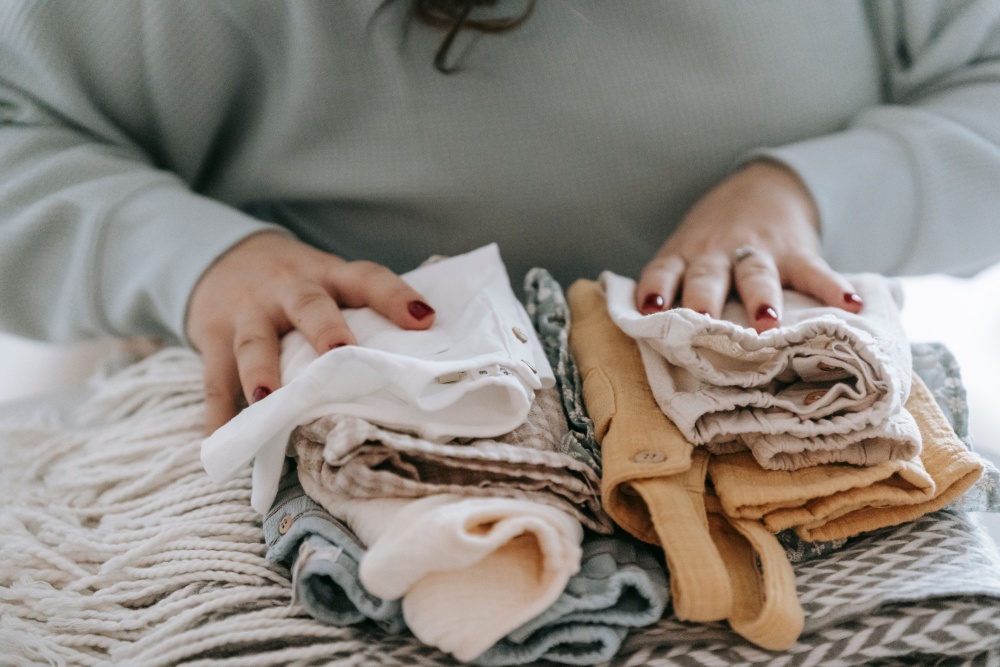
Your fulfillment model affects your upfront investment, product control, margins, and ability to scale. There is no single model that works for every kids' clothing business. Just choose the one that best suits your business.
White-Label
With white label, an existing manufacturer produces a product that can be sold under your brand. This can be useful when you want a more traditional clothing brand without developing every garment from scratch.
- Pros: You can work with existing products and focus more of your time on branding, marketing, and customer acquisition.
- Cons: Other businesses may be selling similar base products, which can make differentiation harder.
You also need to carefully confirm what customization is available, including labels, packaging, fabrics, colors, and sizing.
OEM/ODM
OEM involves providing detailed specifications, such as garment patterns and design sketches, so the factory can manufacture the clothing according to your exact requirements. ODM, on the other hand, involves selecting styles from a range already developed by the factory, styles you believe will appeal to your customers, and having the factory make minor adjustments to meet your needs, such as changing the color, adding your brand logo, or attaching your own brand label.。
- Pros: It gives you greater control over product development. You can create custom patterns, materials, garment structures, or unique products that standard suppliers typically cannot offer.
- Cons: Custom development often requires higher minimum order quantities, sampling costs, longer development cycles, and more communication with manufacturers.
This approach can make sense once your brand has a proven product concept. It is often more difficult for a complete beginner who has not yet validated demand.
Self-Fulfillment
Self fulfillment gives you the greatest control over inventory and the customer experience. You can inspect products yourself, package orders the way you want, and potentially offer custom packaging or special inserts.
However, inventory also means upfront costs and operational work. You need storage space, packaging materials, order processing, and a system for handling returns and exchanges.
Print-on-demand
Print on demand is particularly useful when your kids’ clothing business is built around custom graphics and personalized designs. Instead of buying hundreds of garments in advance, you create the design and have the product produced after an order is placed. This reduces inventory risk and allows you to test more designs without committing to large quantities.
The main limitation is that your product cost per item may be higher than bulk manufacturing, and you have less control over some aspects of production and packaging. Product quality, fulfillment times, available garment styles, and shipping costs also vary by supplier.
For beginners who want to test a kids' clothing niche, print on demand can provide a relatively low risk way to validate ideas before moving into larger inventory purchases.
4. Create designs
Once you understand your customer, you can start developing a design direction for your kids' clothing brand.
- Matching family outfits can work particularly well for birthdays, vacations, holidays, family photos, and special events.
- Minimalist designs are another option for parents who prefer simple clothing that does not feel overly childish.
- Animals are a natural source of inspiration for children's apparel. You can explore illustrated cats, dogs, dinosaurs, woodland animals, ocean creatures, farm animals, or imaginative animal characters.
- Cartoon inspired artwork can appeal strongly to children, but be careful with intellectual property. Do not use copyrighted characters, logos, or artwork unless you have the necessary rights.
- Wordplay can also work well, especially when the wording fits a specific age group or hobby.
- Children's own artwork and cute patterns, seasonal artwork, personalized names, birth details can all become product concepts.
The important thing is to develop a recognizable visual language rather than publishing random designs. A customer should be able to look at several products and understand that they belong to the same brand.

5. Order samples to confirm details
Do not launch a new kids' clothing line based only on digital mockups. Order samples before you start promoting the products. Check the fabric, stitching, fit, sizing, print quality, colors, and overall feel of the garment. Wash the sample according to the recommended instructions and see how it performs afterward.
This step can also improve your marketing. Real samples give you the opportunity to create lifestyle photography, close up product photos, short videos, and social media content that looks much more convincing than a basic mockup.
For products intended for children in the United States, you should also confirm that the supplier can provide the documentation and compliance information applicable to your products. CPSC states that children's products subject to its safety rules generally require third party testing and a Children's Product Certificate.
6. Build your brand
A kids' clothing brand needs more than cute products. It needs an identity that customers can recognize and remember.
Establish Your Brand Identity
Choose a logo, color palette, typography, photography style, and tone of voice that work together. A playful brand may use brighter colors and illustrations, while a minimalist children’s brand might rely on soft colors and simple typography.
Your visual identity should be flexible enough to work across your website, product pages, packaging, social accounts, and marketplace listings.
Define Your Competitive Advantage
Think about what gives parents a reason to choose you instead of another kids' clothing store. It could be personalized artwork, original illustrations, durable materials, a very specific niche, matching family apparel, or a focus on a particular age group. The key is to focus on something your audience genuinely cares about rather than trying to claim that your brand is better at everything.
Tell a Brand Story
People often connect with the meaning behind a brand. Maybe your clothing was inspired by your own family, a love of illustration, childhood memories, or the idea of making ordinary everyday clothes more personal. A good story does not need to be dramatic. It simply needs to explain why the brand exists and who it is designed for.
Stay Consistent
Use the same visual identity and communication style across your website, Etsy store, social media profiles, and other sales channels. Consistency makes a small brand look more established and helps returning customers recognize your products quickly.
7. Decide where to sell
Your Own Website
Shopify, WooCommerce, Wix, and similar platforms make it possible to create a professional ecommerce website without building everything from scratch. Your own website gives you more control over branding, customer data, product presentation, and the overall shopping experience. The challenge is that you also need to generate your own traffic.
Read Also: How to Sell Print On Demand Products Without a Website
Online Marketplaces
Etsy, Amazon, and eBay can help you reach shoppers who are already looking for products. Etsy can be particularly relevant for personalized and creative kids’ apparel. As of December 31, 2025, Etsy reported 86.5 million active buyers, with apparel among its leading merchandise categories. The downside is competition. Your products need strong photography, clear titles, useful descriptions, competitive pricing, and a recognizable style.
Social Commerce
TikTok Shop and other social commerce channels can be useful for products that are visually appealing and easy to demonstrate in short videos. You can show new designs, outfit ideas, seasonal collections, behind the scenes content, or customer creations. The biggest advantage is that the product discovery and shopping process can happen in the same environment.
8.Market your kids' clothing line
Once your products are ready, marketing becomes the engine that brings customers into your store. A creative marketing strategy helps you reach new customers, build trust, and encourage repeat purchases.
- Social media should be one of your main channels. Instead of only posting product images, create content around real situations. Show how a shirt looks on different outfits, introduce new collections, create seasonal styling ideas, or turn a child's drawing into a finished garment.
- User generated content can also be powerful. Encourage customers to share photos or videos of their children wearing your products, while making sure you obtain the appropriate permission before using customer content for marketing.
- Email marketing is useful because it allows you to reach previous customers without paying for every interaction. Use email to introduce new collections, seasonal designs, limited offers, and relevant product recommendations.
- Paid advertising can help you test audiences and accelerate traffic, but start with a clear understanding of your margins. Your product price needs to cover production, shipping, platform fees, advertising, refunds, and other operating costs before you can determine whether a campaign is actually profitable.
- SEO is especially valuable for a kids' clothing business because shoppers search for very specific products. Instead of targeting only broad terms such as "kids clothing," you can build pages around more specific searches such as “custom kids shirts,” "personalized toddler shirts," "matching family shirts," or "custom baby clothes."
Your website can also attract long term organic traffic through useful content. Articles about kids' outfit ideas, birthday clothing, holiday apparel, family matching outfits, and personalized gift ideas can introduce your brand to shoppers before they are ready to buy.
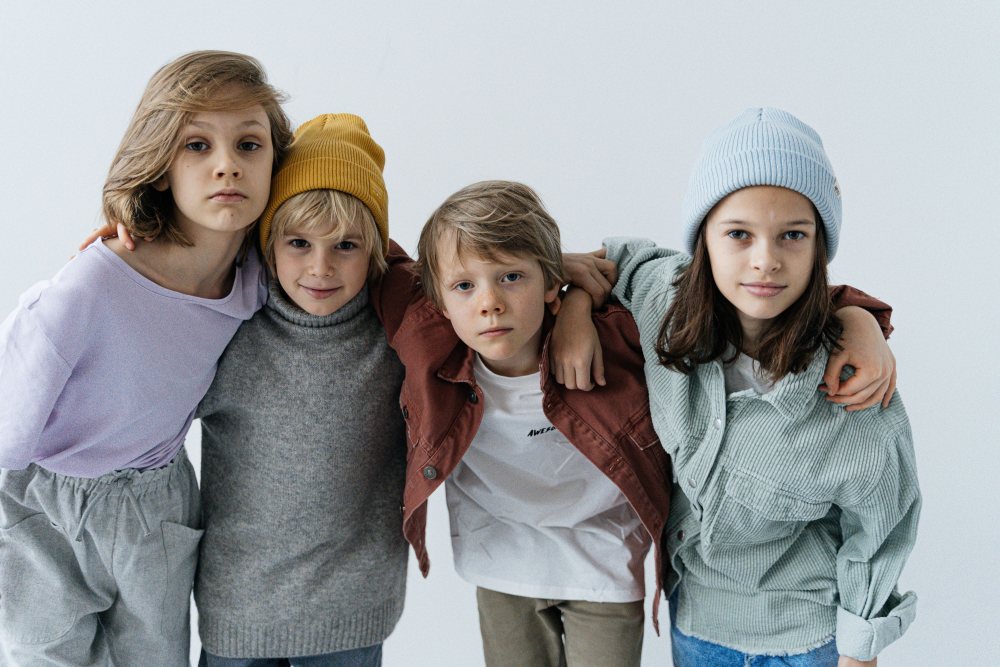
Start your children's clothing line with PeaPrint
Print on demand can make it easier to experiment with a children's clothing brand without purchasing large amounts of inventory upfront.
With PeaPrint, you can create custom designs and order products as needed, which allows you to test different styles before committing to larger quantities. The platform offers a broad product catalog, including apparel and other products that can complement a kids' clothing collection.
You can also connect a POD business with ecommerce channels such as Etsy, Shopify, WooCommerce, and Amazon, making it easier to build a sales workflow around the platforms where your customers already shop.
Before adding a children's product to your store, always review its available sizes, materials, production details, shipping options, and applicable compliance information. Once you have validated your audience and designs, you can gradually expand your collection instead of trying to build a huge catalog from day one.
FAQs
How much does it cost to start a kids' clothing line?
The cost depends heavily on your fulfillment model. Self fulfillment and traditional manufacturing require inventory and storage, while print on demand can reduce upfront inventory costs because products are made after customers place orders. You should still budget for samples, design, branding, your ecommerce platform, marketing, and other operating expenses. The initial costs generally range from $200 to $500.
Can I start a kids' clothing brand with print on demand?
Yes. Print on demand can be a practical way to test custom kids' clothing designs without purchasing large quantities of inventory in advance. It is especially useful for graphic tees, personalized clothing, holiday apparel, and other products where the design is a major part of the value.
Can I sell custom kids' pajamas with print on demand?
You need to be particularly careful with children's sleepwear. CPSC has specific flammability standards for children's sleepwear, with different requirements depending on the garment and size. Before selling pajamas or other sleepwear, confirm that the product and your fulfillment partner meet the applicable requirements.