How to Make Custom Socks: A Guide to Print-on-Demand Socks
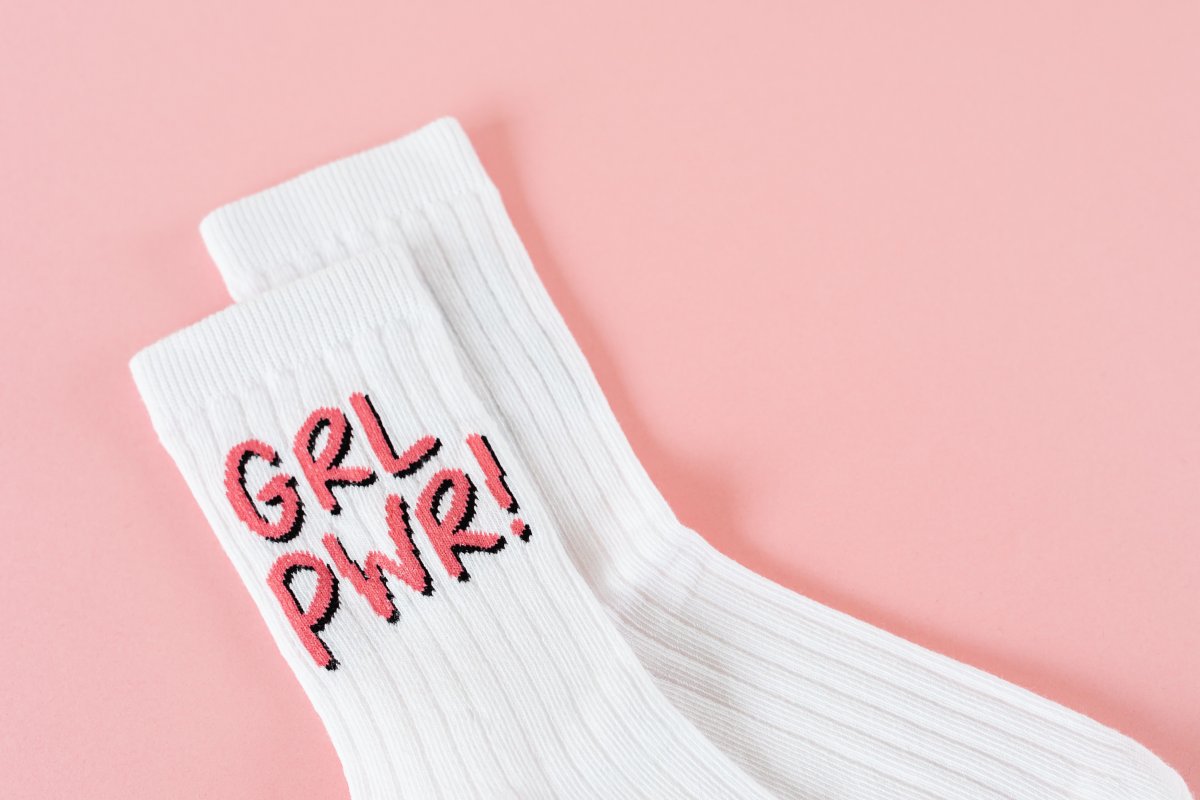
Custom socks have become a popular product for gifting, personal expression, and e-commerce. Whether you want to create a unique pair for yourself or your family, customizing socks is now easier than ever. Print-on-demand services can quickly turn your creative ideas into real products, while also offering a shortcut for those looking to launch their own sock business.
In this guide, we will walk you through everything you need to know about custom socks and how to successfully sell them using the print-on-demand model.
Why Custom Socks Are So Popular
According to market research, the global socks market is expected to surpass $70 billion by the early 2030s, fueled by rising demand for personalized apparel, branded merchandise, and premium fashion accessories. At the same time, print-on-demand has made custom sock production more accessible than ever, allowing businesses to create unique designs without investing in inventory. Today, custom socks are widely used as personalized gifts, corporate giveaways, team uniforms, promotional merchandise, event souvenirs, and branded products for online stores. Their low production cost, broad appeal, and high customization potential make them an excellent choice for both individual buyers and entrepreneurs looking to build a profitable product line.
What You'll Need Before Making Custom Socks
Before you start creating custom socks, it's worth gathering a few essentials. Having everything ready will make the design and production process much smoother.
- A design concept – Decide whether you're creating socks for gifts, your brand, or a special event.
- High-quality artwork – Use logos, illustrations, photos, or graphics with a resolution of at least 300 DPI for the best print quality.
- Your brand colors and style – Keep your designs consistent if you're selling under a brand.
- The right sock style – Choose from crew, ankle, athletic, or dress socks based on your target audience.
- A reliable print-on-demand supplier – Look for a partner that offers quality printing, competitive pricing, worldwide shipping, and seamless ecommerce integrations.
Choose the Right Type of Custom Socks
Not all custom socks are designed for the same purpose. Choosing the right style helps ensure your design looks great while meeting your customers' needs.
- Crew Socks: The most versatile and popular option. Their larger printable area makes them ideal for bold graphics, logos, and all-over designs. Perfect for fashion brands, gifts, and everyday wear.
- Ankle Socks: Lightweight and comfortable, ankle socks are a favorite for casual outfits and summer activities. Because of the smaller print area, they're best suited for simple logos, icons, or minimalist designs.
- Athletic Socks: Designed for sports and active lifestyles, these socks often feature cushioned soles and moisture-wicking fabrics. They're ideal for team branding, gym merchandise, fitness events, and sports clubs.
- Dress Socks: Made for business and formal occasions, dress socks work best with elegant patterns, subtle branding, and sophisticated color combinations. They're a popular choice for corporate gifts and premium apparel brands.
Choosing the right sock style not only improves the final appearance of your design but also helps you better target specific customer groups and market opportunities.
How to Make Custom Socks Step by Step
Turning your creative ideas into finished products is surprisingly simple with the print-on-demand model, especially when you team up with the right fulfillment partner. Follow these steps to create and start selling your custom socks.
Choose a POD Supplier
When comparing suppliers, do not focus solely on price; also consider factors such as sock style variety, print quality, production turnaround times, shipping options, and minimum order quantity (MOQ) requirements.
If you plan to sell online, it is advisable to choose a supplier—such as PeaPrint—that integrates seamlessly with platforms like Shopify, Etsy, or WooCommerce to automate order fulfillment. Additionally, ordering samples before launching is a wise move, as it allows you to personally evaluate print quality, fabric feel, and comfort. A reliable POD partner not only ensures consistent product quality but also makes scaling your business smoother and easier.
Select Sock Style
Once you have selected a sock supplier, you can browse their product catalog to find styles that align with your brand’s aesthetic and target audience. PeaPrint offers a wide range of materials and styles—such as crew socks, ankle socks, athletic socks, and dress socks—each designed for specific purposes. These socks combine comfort and functionality, meeting the needs of the vast majority of customers.
Additionally, when making your selection, be sure to consider the size range, color options, and print area. If your design features large graphics or full-color artwork, choose a style with a larger print area. For minimalist logos or branding, a simpler sock style may work better.
Create and Apply Your Designs
If you have graphic design skills, you can use professional tools like Adobe Illustrator or Photoshop to create your own designs; original designs eliminate concerns about copyright infringement, and customers appreciate unique, distinctive styles.
If you lack experience with professional software, you can use beginner-friendly platforms like Canva to design your sock patterns. Alternatively, you can use AI-generated images, but be sure to export files at high resolution (at least 300 DPI) to ensure the print is crisp and vibrant. For the best results, avoid using tiny text or overly complex details, and opt for bold, vivid colors that stand out on the fabric.
Most print-on-demand platforms feature built-in design tools that allow you to upload patterns, place them on product templates, adjust sizes, and preview the final design before publishing. Once you are satisfied with the layout, save your design and generate product mockups that showcase your custom socks from multiple angles, helping you more effectively attract potential customers.
Publish to your store
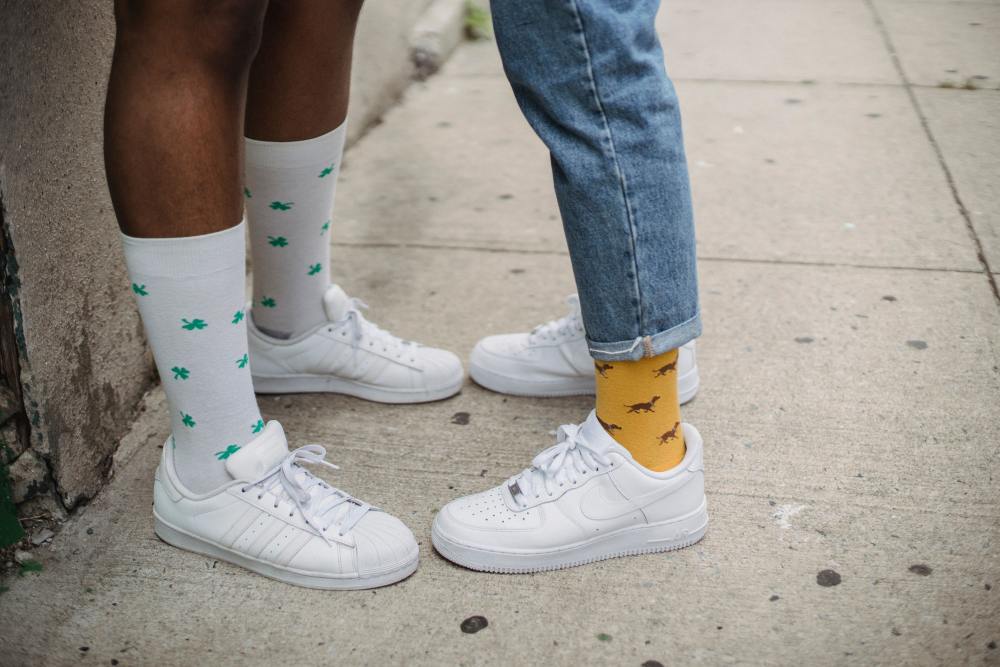
Once the design is complete, you can list your custom socks for sale. Most print-on-demand (POD) platforms integrate with major e-commerce marketplaces, allowing you to launch products with just a few clicks. However, be sure to include clear product titles, write SEO-friendly descriptions, upload high-quality mockups, and set competitive prices. You can also highlight key selling points, such as premium fabrics, vibrant prints, or unique designs. Once a product is listed, customer orders are automatically sent to the POD supplier—who handles printing, packaging, and shipping—enabling you to focus on growing your business and attracting more customers.
Best Printing Methods for Custom Socks
The printing method you choose has a direct impact on the appearance, durability, and cost of your custom socks. Each technique has its own strengths and is best suited for different materials and design styles.
Sublimation socks
Sublimation is one of the most popular printing methods for polyester socks. It uses heat to transfer dye directly into the fabric, producing vibrant, full-color graphics that won't crack or peel.
Pros: Excellent color accuracy, edge-to-edge printing, durable finish, ideal for photo-quality designs.
Cons: Works best on polyester fabrics and light-colored materials, making it less suitable for cotton socks.
DTG socks
DTG printing applies water-based inks directly onto the fabric, making it a great choice for cotton-rich socks and detailed artwork. It's especially effective for small-batch or on-demand production.
Pros: Sharp detail, soft print feel, excellent for complex artwork and small orders.
Cons: Color vibrancy is generally lower than sublimation, and the printable area may be more limited depending on the sock style.
Embroidery socks
Embroidery creates designs by stitching thread directly into the fabric instead of printing ink. It delivers a premium, textured finish that's perfect for logos and simple branding.
Pros: Premium appearance, highly durable, resistant to fading and washing, ideal for minimalist logos.
Cons: Not suitable for detailed images or large graphics, and it typically costs more than printed designs.
Jacquard weaving socks
Rather than printing on the surface, Jacquard weaving incorporates the design directly into the sock during the knitting process. This technique is commonly used for striped patterns, geometric designs, and branded athletic socks.
Pros: Extremely durable, no fading or peeling, premium woven texture, ideal for repeated patterns and long-term use.
Cons: Limited color complexity and fine detail, with higher production costs and longer manufacturing times than most printing methods.
Popular Custom Sock Ideas
One of the biggest advantages of custom socks is their versatility. Whether you're designing for personal use or building a print-on-demand business, there are countless creative ideas that appeal to different audiences. Here are some popular ideas:
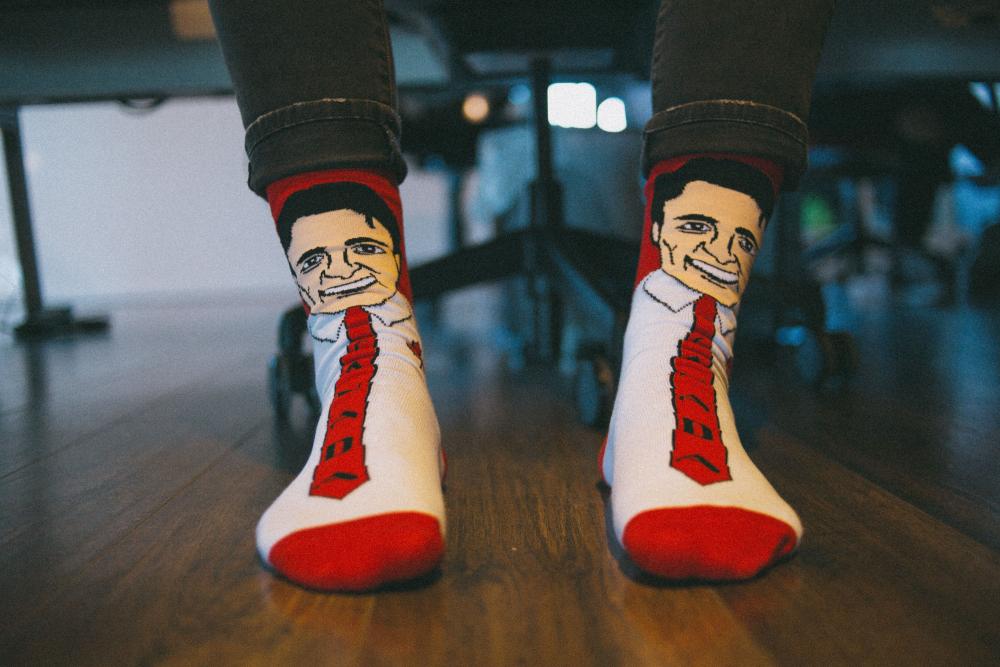
- Custom Face Socks: A bestseller for birthdays, anniversaries, and gag gifts. Personalized face socks are fun, memorable, and highly shareable on social media.
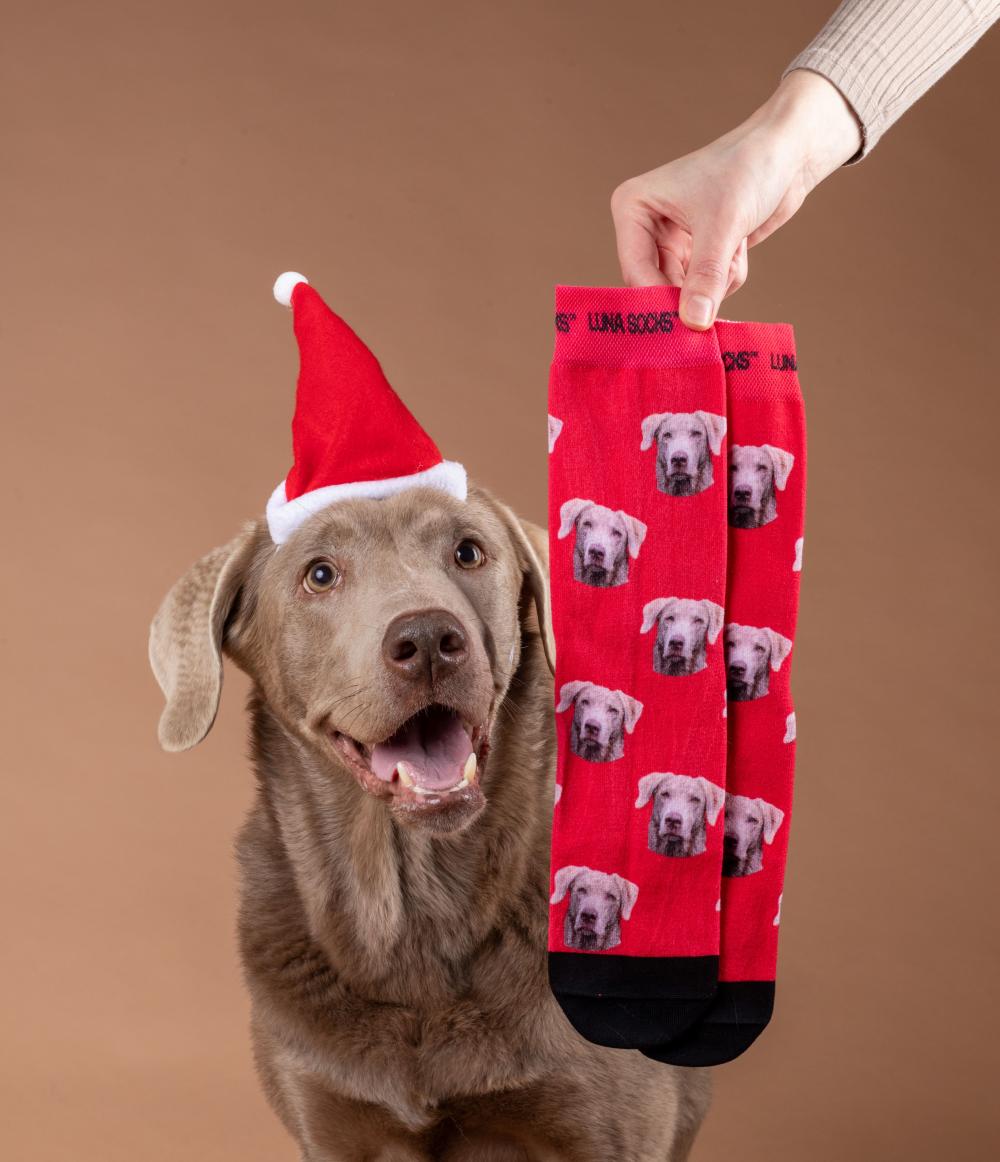
- Pet Socks: Pet owners love showing off their furry friends. Custom socks featuring dogs, cats, or other pets make thoughtful gifts and perform well year-round.
- Wedding Socks: Personalized socks for brides, grooms, and wedding parties add a unique touch to special occasions and make great keepsakes.
- Corporate Logo Socks: Businesses use branded socks for employee gifts, trade shows, company events, and promotional campaigns to increase brand visibility.
- Holiday Socks: Christmas, Halloween, Valentine's Day, and other seasonal celebrations create recurring demand for festive sock designs.
- Baby Announcement Socks: Expecting parents often create personalized socks to announce a pregnancy or celebrate a newborn, making them meaningful gifts for family and friends.
- Funny Socks: Humorous quotes, memes, and quirky illustrations remain popular with shoppers looking for unique everyday accessories.
- Sports Team Socks: Customized socks featuring team colors, mascots, or player numbers are ideal for school teams, local clubs, charity events, and fitness communities.
Start Selling Custom Socks with PeaPrint
Ready to turn your designs into a business? With PeaPrint, launching your own custom sock store is quick and hassle-free. Simply choose a sock style, upload your artwork using our built-in design tool, and publish your products to platforms like Shopify, Etsy, or WooCommerce. Once an order is placed, PeaPrint takes care of printing, packing, and worldwide shipping—so you never have to manage inventory or fulfill orders yourself. With factory-direct pricing, high-quality printing, and a growing catalog of customizable products, PeaPrint makes it easy for creators, entrepreneurs, and brands to start selling custom socks with confidence.
FAQs
How Much Does It Cost to Make Custom Socks?
The cost of custom socks depends on various factors, including style, material, printing method, order volume, and shipping destination. With a print-on-demand model, you do not need to stock up on inventory beforehand, making it a cost-effective choice for startups. Since products are manufactured only after a customer places an order, you incur only fulfillment costs. This allows you to set your own retail prices and generate profit without the risk of unsold inventory. At PeaPrint, custom socks start at just $2; these factory-direct prices help you save on costs and maximize your profits.
How long does it take to print custom socks?
Production times vary by supplier, but most print-on-demand companies complete custom sock orders within 3–7 business days. After printing, shipping time depends on the destination and shipping method selected. During peak shopping seasons, such as Christmas, production and delivery may take slightly longer. Choosing a reliable POD supplier with efficient fulfillment can help ensure faster turnaround times and a better customer experience.
Can I sell custom socks on Etsy?
Yes. Etsy is one of the best marketplaces for selling custom socks because shoppers actively search for personalized and handmade-inspired products. By connecting your Etsy store to a print-on-demand platform, customer orders can be automatically synced for production and fulfillment. To improve sales, focus on creating unique designs, using SEO-friendly product titles and descriptions, and offering high-quality mockups that showcase your custom socks from multiple angles.