All-Over Print 101: The Ultimate Guide to AOP Apparel
What Is All-Over Print (AOP)? A Complete Definition
If you're just getting started with print‑on‑demand, or you're a seasoned seller looking for your next edge, understanding all‑over print is where it all begins.
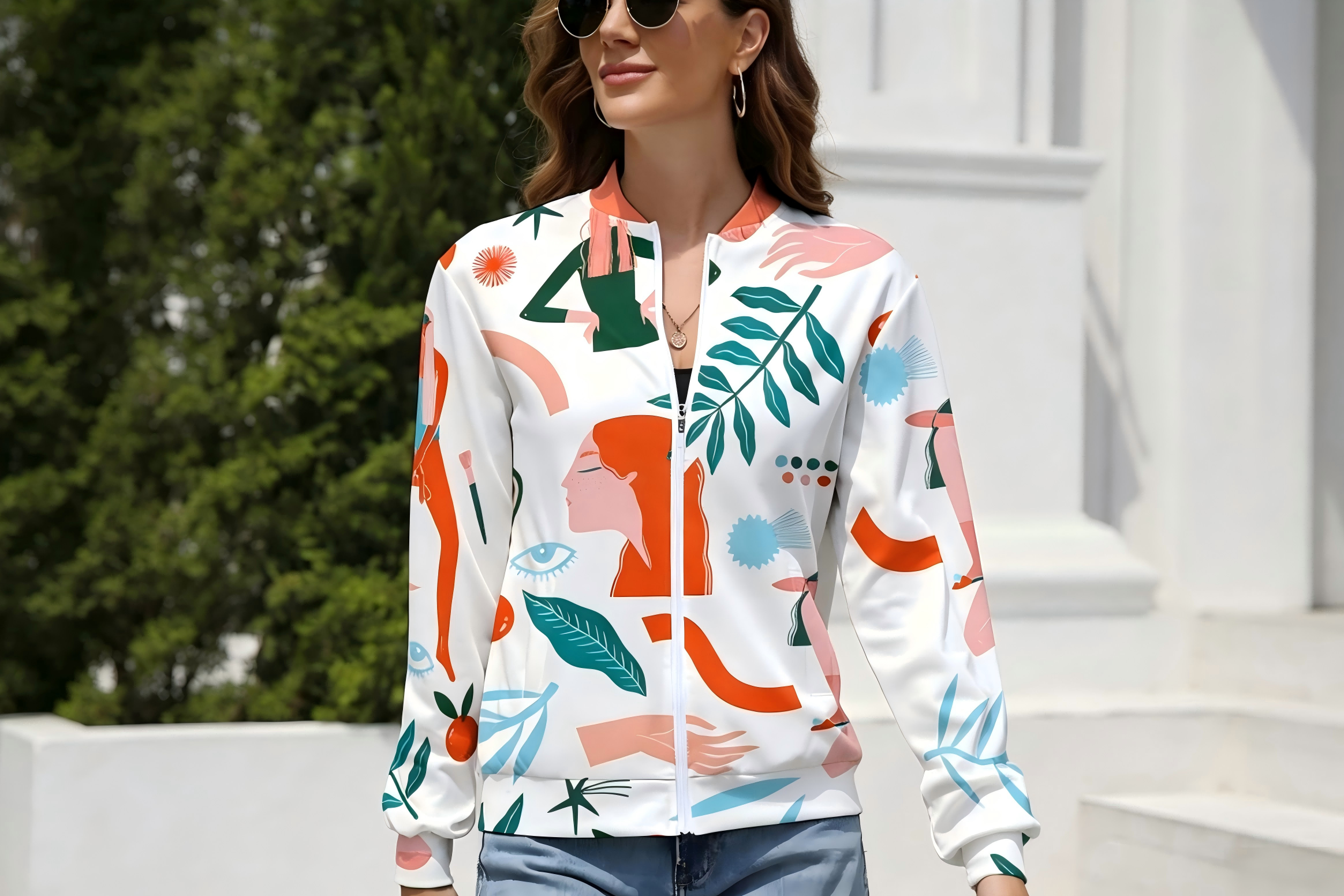
All‑over print—almost always shortened to AOP—is a printing technique that covers the entire surface of a garment. No blank spots. No limited "print area." The design runs from collar to hem, sleeve to sleeve, front to back. It wraps around the whole product like a seamless second skin.
Unlike a chest logo or a back graphic, AOP doesn't stop at the seams. It keeps going, creating a bold, immersive visual that you just can't get with traditional methods. That's why more custom apparel brands are turning to AOP to differentiate themselves in a crowded market.
All-Over Print vs. Traditional Printing: What's the Difference?
To really appreciate what AOP brings to the table, it helps to stack it up against the two heavyweights of apparel printing: screen printing and Direct‑to‑Garment (DTG).
Here's a quick side‑by‑side comparison:
| All-Over Print (AOP) | Screen Printing | DTG (Direct-to-Garment) | |
| Coverage | Full garment, edge to edge | Limited to a defined print area | Limited to a defined print area |
| Best For | All‑over patterns, gradients, photo‑quality images | Bold, simple designs with limited colors (1–4 colors) | Complex, full‑color designs, photos, detailed illustrations |
| Fabric | Polyester or high‑poly blends (70%+) | Cotton and blends | Cotton and natural fabrics |
| Minimum Order | 1 piece | Typically 50+ pieces to be cost‑effective | 1 piece |
| Setup Cost | None | Yes (screen setup fees) | None |
| Durability | Won't crack, peel, or fade | Highly durable | Good, but may fade over time |
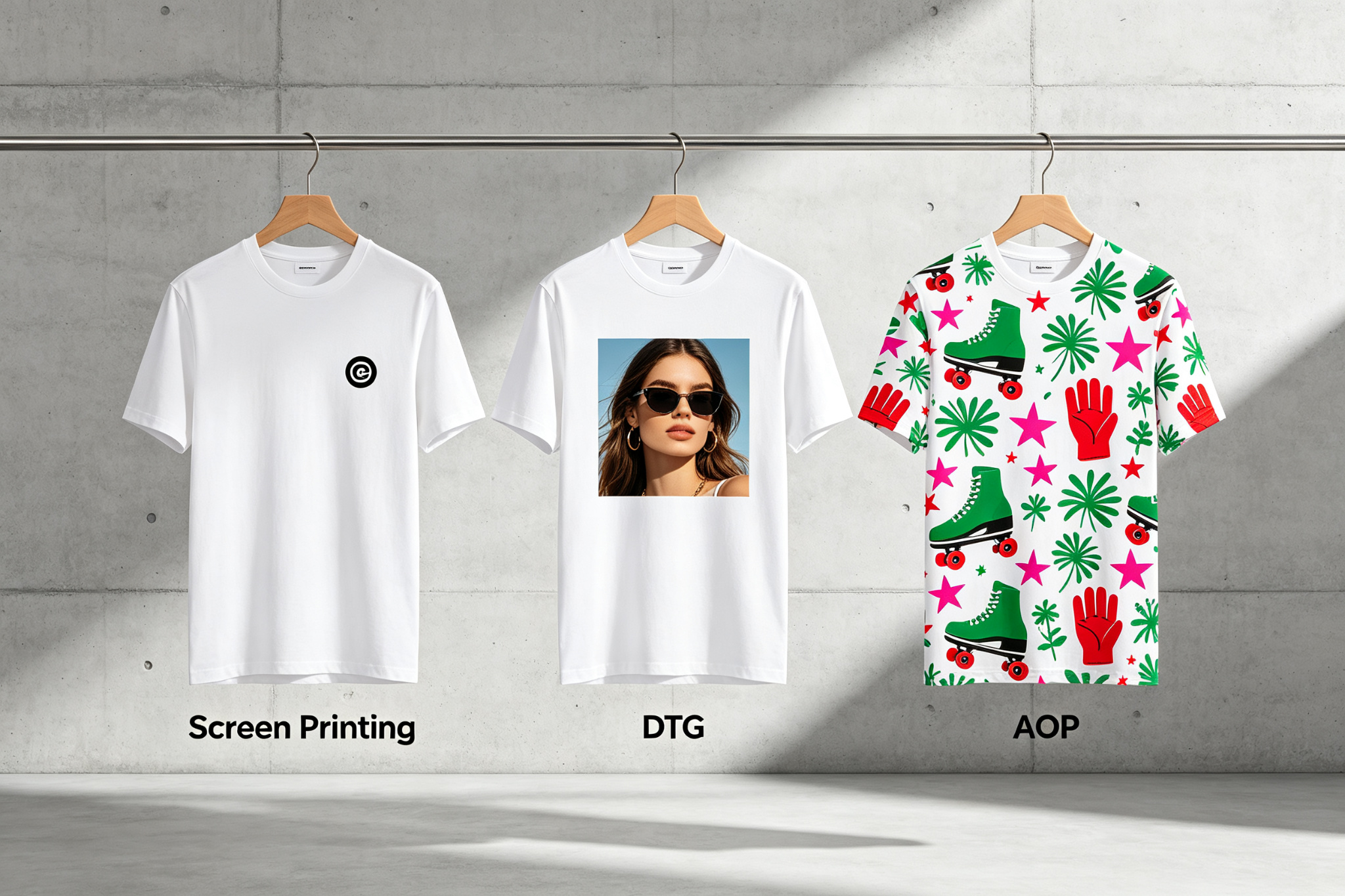
Here's the bottom line:
- Screen printing is still the king for bulk orders of simple, low‑color designs.
- DTG is great for detailed, full‑color artwork on cotton—but it stays in one spot.
- Only AOP lets you stretch a design across the whole garment. No limits. No blank fabric left behind.
If you're selling all‑over print shirts, hoodies, or dresses, that full‑coverage effect is exactly what sets your products apart from the sea of standard tees.
How Does the Dye Sublimation Process Work for AOP?
Now, let's get into the how. AOP isn't magic—it's powered by a printing method called dye sublimation. Here's the step‑by‑step breakdown:
- Print on transfer paper – Your digital design gets printed onto a special heat‑resistant paper using sublimation inks. These inks start as solid dye particles suspended in liquid.
- Apply heat and pressure – That paper is placed onto the fabric and run through a heat press at around 400°F. High heat and firm pressure are applied.
- Solid to gas—no liquid in between – Here's the cool part: the solid dye particles turn directly into gas, skipping the liquid phase entirely. That's the "sublimation" process. At the same time, the heat opens up the pores of the polyester fabric.
- The dye bonds deep inside the fibers – The gaseous dye penetrates deep into the open pores. When the heat is removed and the fabric cools, those pores close back up, permanently trapping the color inside the material.
This isn't ink sitting on top of the fabric. It's dye that has actually become part of the fabric itself. That's what gives AOP its legendary durability—and why it feels so smooth to the touch.
Why AOP Prints Won't Crack, Peel, or Fade (Ever)
This is the single biggest selling point of all‑over print apparel—and it's worth calling out clearly.
Because the dye is embedded inside the polyester fibers at a molecular level—rather than sitting on the surface like a paint layer—it forms a permanent, unbreakable bond with the material.
- No cracking – There's no surface ink layer to crack after repeated washes or wear.
- No peeling – The dye can't flake or peel off because it's not an applied coating.
- No fading – The color is fused into the fiber itself, so it holds up wash after wash, year after year.
For POD sellers, this durability translates directly into happier customers, fewer returns, and better reviews. When you're selling custom all‑over print hoodies or tees, you're not just selling a design—you're selling a product that lasts.
AOP vs. Traditional Printing: A Deeper Look
Now that you've got the basics down, let's dig deeper into the practical differences between AOP and the other printing methods you'll encounter. This section is here to help you decide which approach actually makes sense for your specific products, budget, and audience.
Screen Printing: The Bulk Workhorse
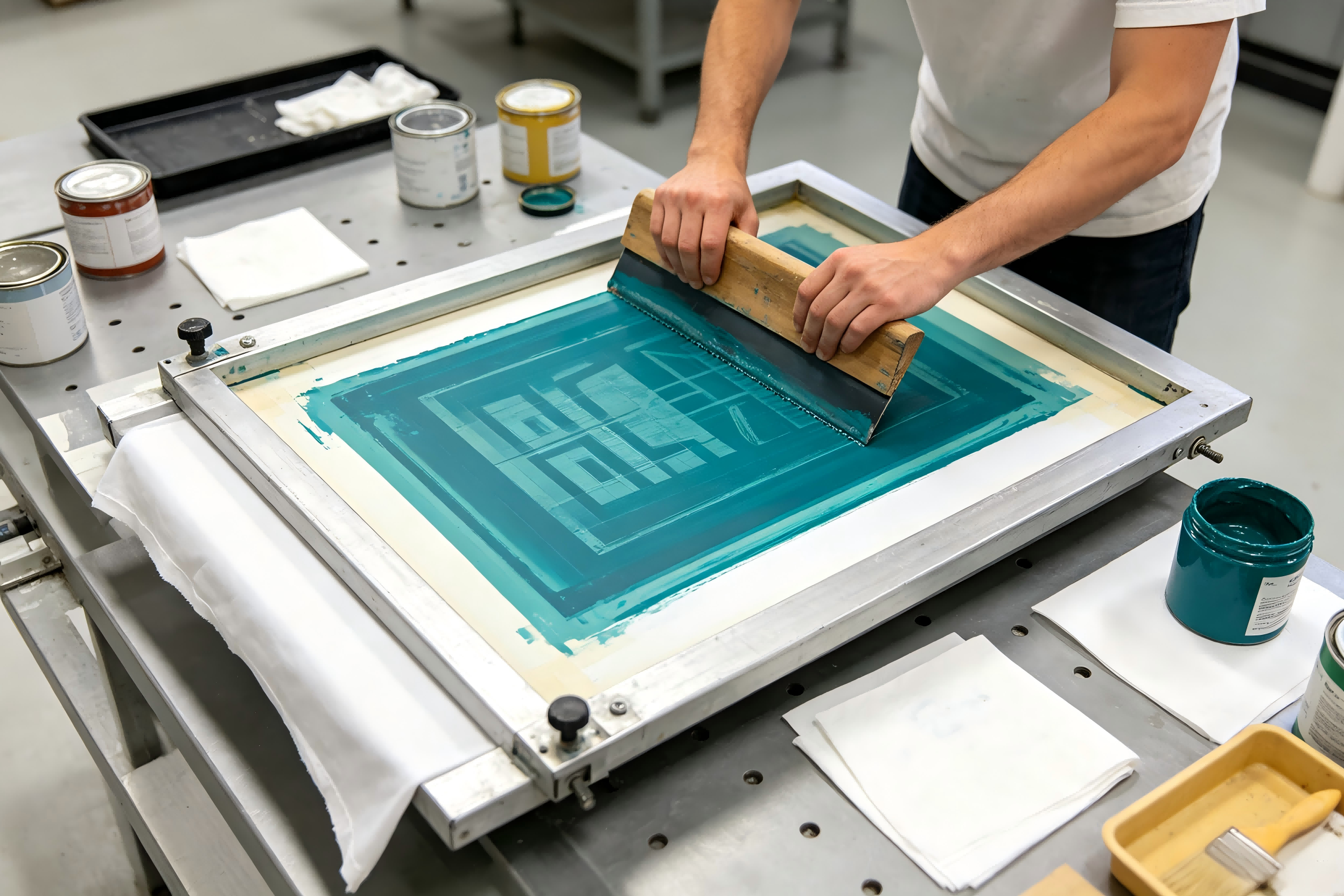
Screen printing is one of the oldest and most reliable methods in the industry. It works by pushing ink through a mesh screen onto the fabric, one color layer at a time.
When should you choose screen printing?
- You're ordering 50+ units of the exact same design.
- Your artwork uses 1 to 4 solid colors—no gradients, no photographs.
- You want the lowest possible per-unit cost for large runs.
- You're printing primarily on cotton garments.
The catch? Screen printing comes with high setup costs—those screen fees add up fast. Every additional color increases both the cost and the complexity. And crucially, you're locked into a specific print area. You simply can't cover the whole shirt.
DTG: The Detail Specialist
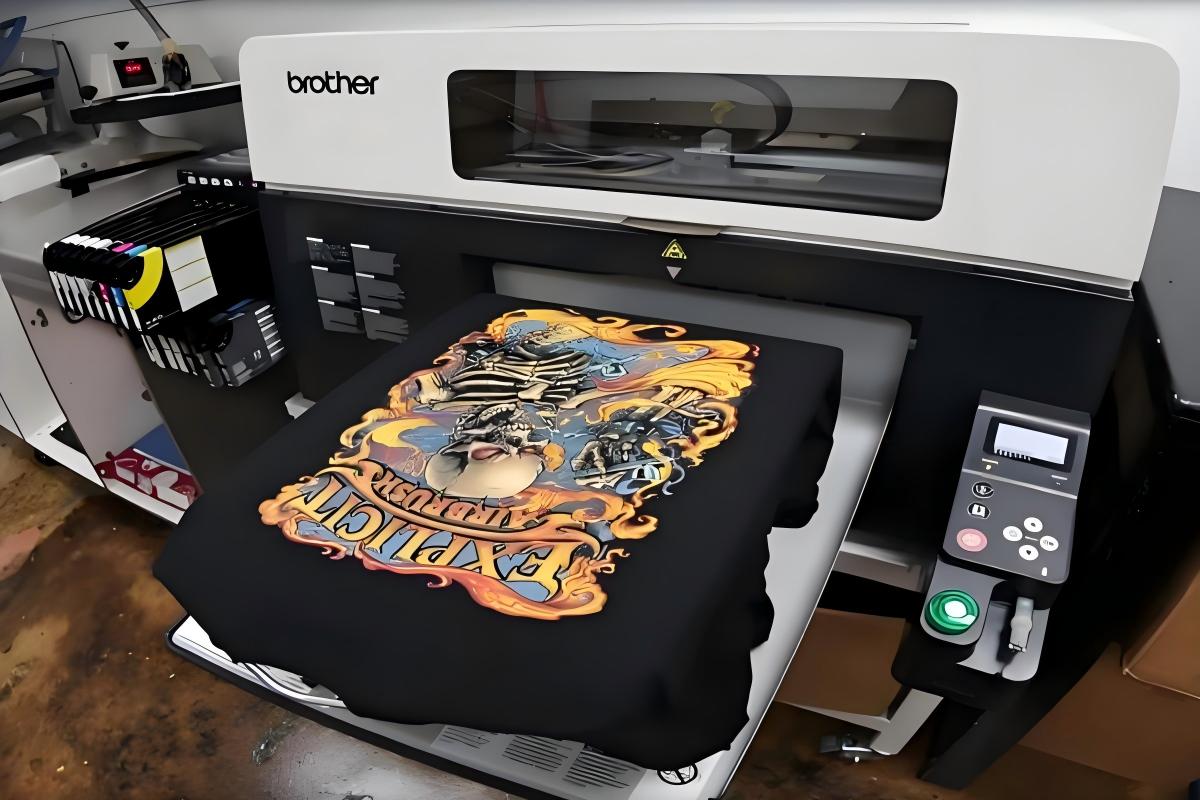
Direct-to-Garment printing works a lot like the inkjet printer sitting on your desk—it sprays ink directly onto the fabric. That makes it incredibly good at handling highly detailed, full-color designs.
When should you choose DTG?
- You need photo-quality reproduction, like portraits or fine art.
- Your design uses many colors, gradients, or subtle shading.
- You're ordering small quantities—anywhere from 1 to 50 pieces.
- You're printing on cotton or cotton-blend garments.
The catch? DTG ink sits on the surface of the fabric rather than bonding with it. With repeated washing, that ink can fade. And just like screen printing, DTG is confined to a specific print area—the front, the back, or the sleeves, but not the whole garment.
AOP: The Full-Immersion Experience
All-over print, powered by dye sublimation, is the only method that gives you complete, edge-to-edge coverage. This opens up creative possibilities that simply don't exist with screen printing or DTG.
When should you choose AOP?
- Your design benefits from full coverage—think repeating patterns, sweeping gradients, or panoramic murals.
- You want a print that absolutely will not fade, crack, or peel over time.
- You're targeting fashion-forward customers who value uniqueness and are willing to pay for it.
- You're selling through a POD model and need low minimums—sometimes just one unit at a time.
Quick Decision Guide
If you're still unsure which method fits your situation, here's a simple cheat sheet:
| Your Situation | Best Method |
| Bulk order (50+), simple logo, tight budget | Screen Printing |
| Small order (1–50), photo-quality image on a cotton tee | DTG |
| Fashion brand, all-over patterns, small-batch or one-off orders | AOP (Sublimation) |
| You want the design to cover the entire garment with no blank fabric | AOP (Sublimation) |
| Large order of complex, multi-color artwork | AOP or DTG (depends on your fabric choice) |
How AOP Is Made: A Step-by-Step Walkthrough
Understanding how an AOP garment actually goes from a digital file to a finished product isn't just technical trivia—it's knowledge you'll use to talk confidently with customers about quality, durability, and value. Here's exactly how it happens.
Step 1: Create Your Design — No Software Required
Here's the thing: you don't need to be a designer to create AOP products. And you definitely don't need to buy expensive software.
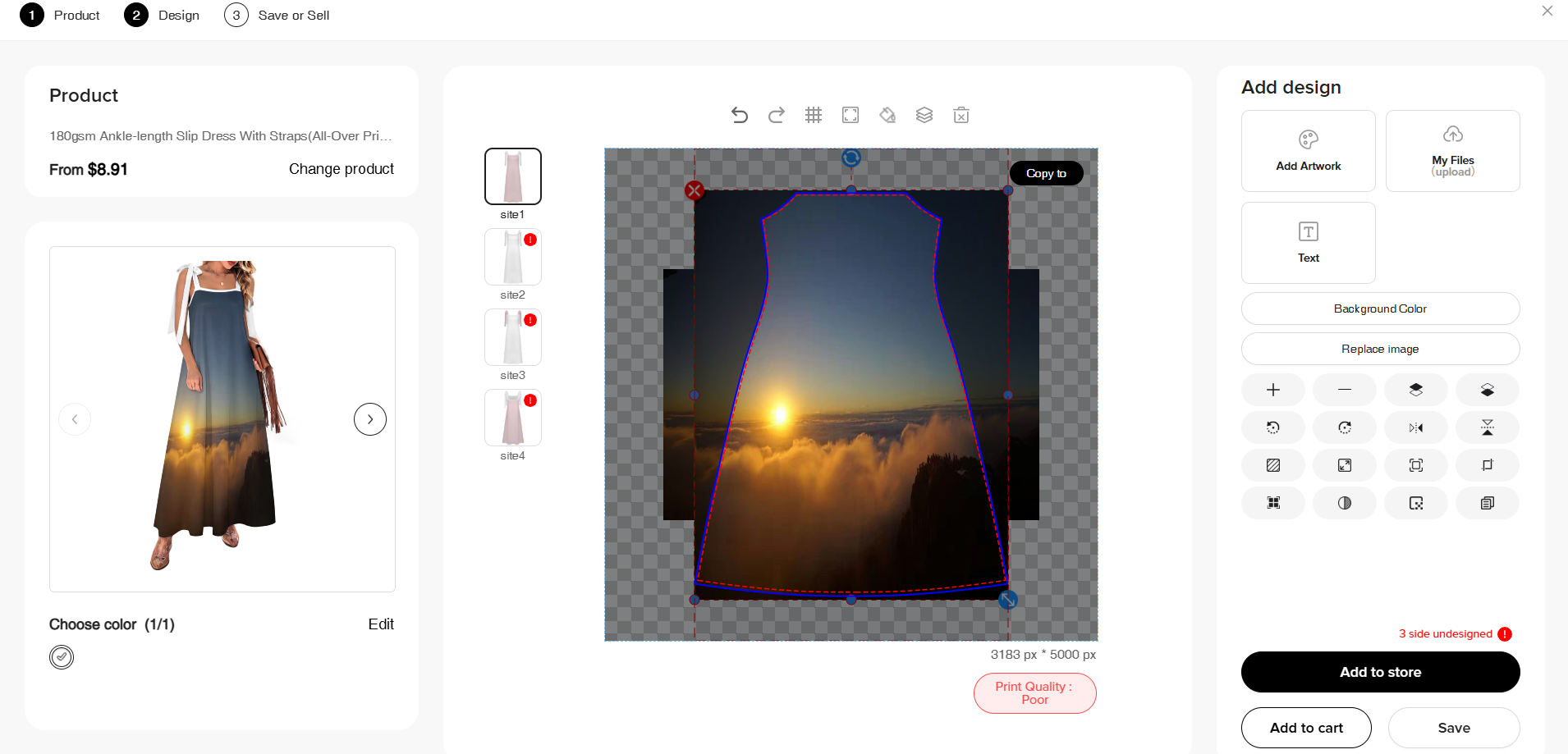
If you already have a design ready—a photo, a pattern, a logo, or artwork you've created—you can skip straight to uploading it. If you don't have a design yet, that's fine too. Peaprint's free online Mockup Generator(https://peaprint.com/mockup-generator) lets you create custom all-over print designs directly in your browser.
Here's how it works:
- Upload your own image or choose from Peaprint's library of licensed design materials—patterns, graphics, and fonts included.
- See your design on the product in real time—before you commit to printing.
- Use multi-layer fine design to control every detail: different patterns on different areas, full creative freedom.
- Generate photorealistic mockups you can use directly in your Etsy or Shopify listings.
No Photoshop. No Illustrator. No learning curve. Just upload, preview, and you're ready to go.
For experienced designers who prefer professional tools: you can still use Adobe Photoshop, Illustrator, or Canva to create your artwork, then upload the final file. The Mockup Generator works with all standard formats.
Step 2: Preview and Prepare Your File
Once your design looks right in the preview, the Mockup Generator handles the technical stuff for you—resolution, color mode, and bleed are all automatically optimized.
All you need to do is:
- Check that your design covers the full product surface (the preview tool shows you exactly where the edges are).
- Download your mockup images for use in your store listings.
- Proceed to order—your design file is already attached to the product.
That's it. No file conversions, no DPI calculations, no CMYK vs RGB confusion. The tool takes care of it.
Step 3: Print the Transfer Paper
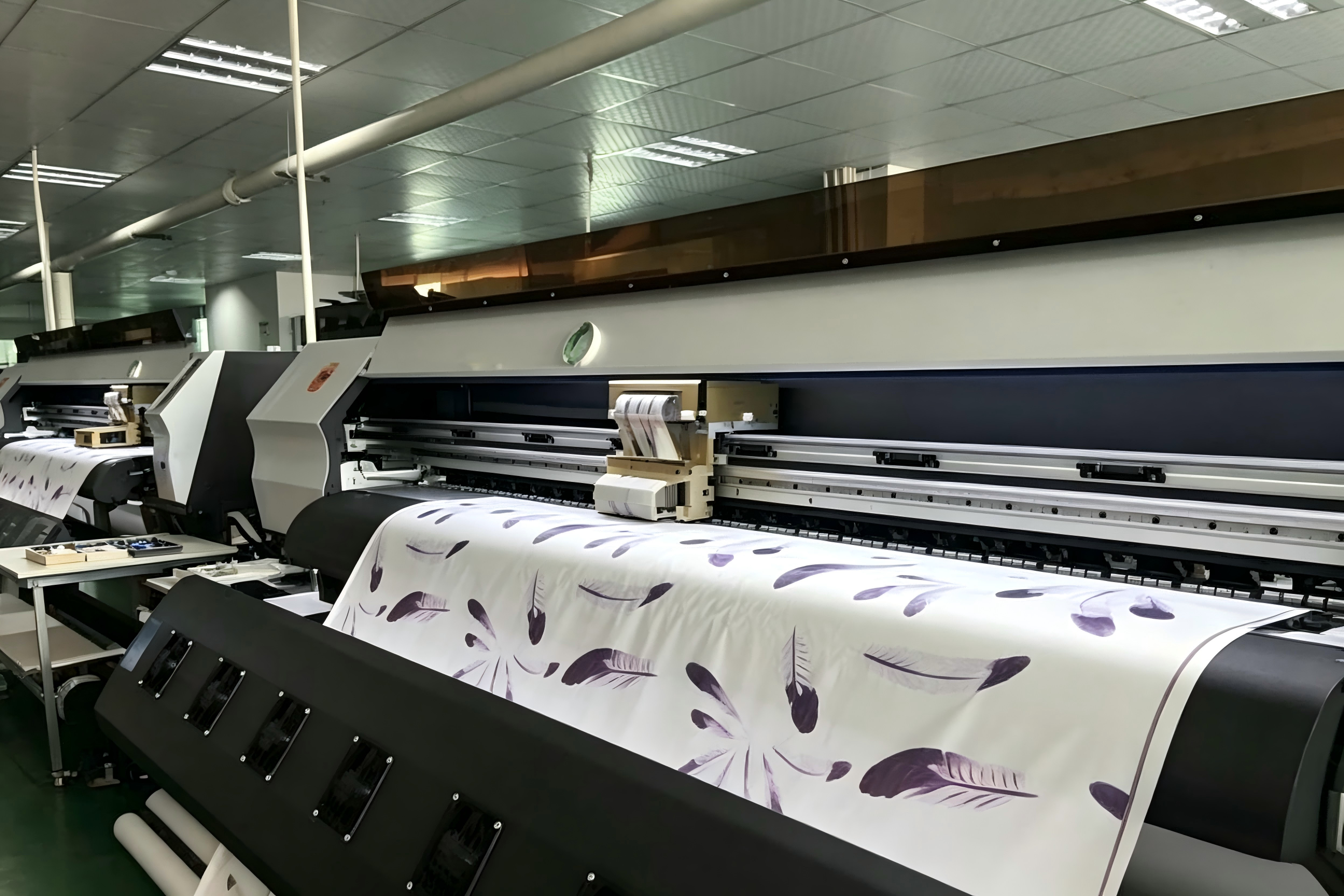
Your design is printed onto special sublimation transfer paper using large-format digital printers loaded with sublimation inks. These inks are specially formulated to turn into gas when heated—that's the key to the whole process.
Step 4: Cut the Fabric Panels
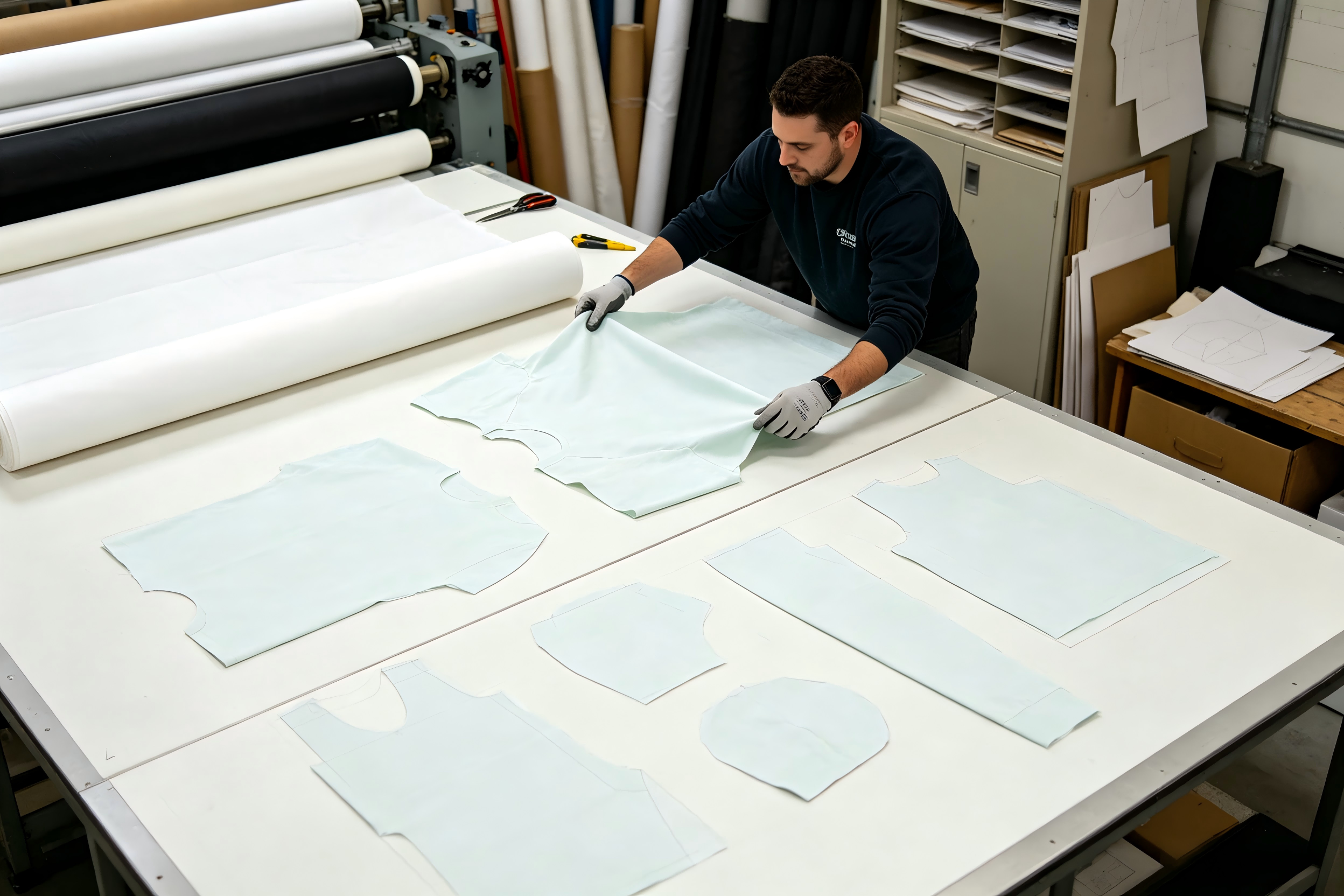
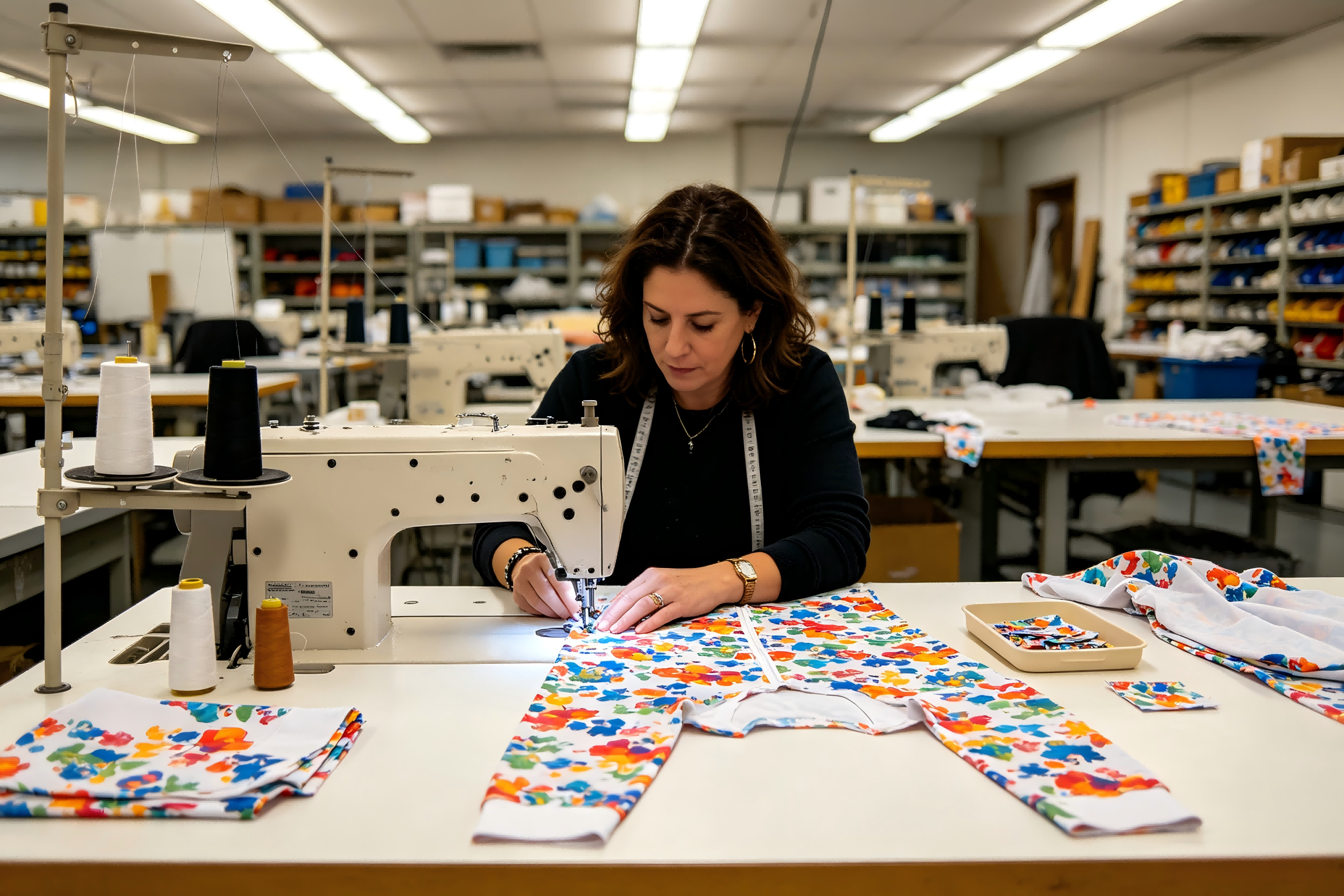
At the same time, the garment is cut from rolls of white or light-colored polyester fabric. Each panel—front, back, sleeves, hood, and so on—is cut separately. This is called cut-and-sew, and it's exactly what allows AOP to wrap around the entire piece.
Step 5: Transfer the Design
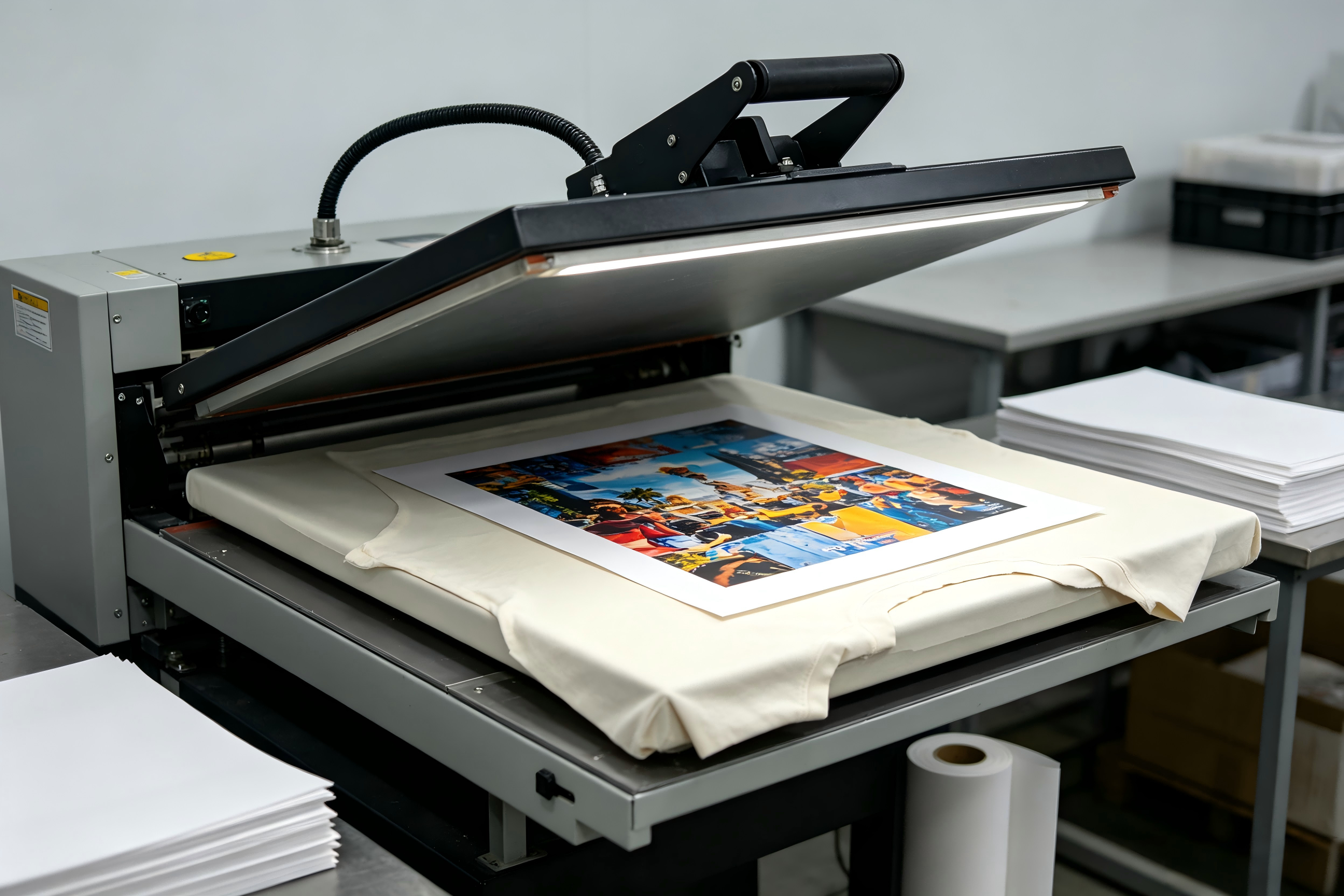
Each fabric panel is placed on a heat press with the transfer paper laid on top. The press applies high heat—about 400°F—and firm pressure. The sublimation ink turns into gas and permanently bonds with the polyester fibers.
Step 6: Sew the Garment
After the dye has been transferred onto every panel, those panels are sewn together to create the final garment. This is why you'll see patterns that flow seamlessly across side seams—the design was printed before the garment was assembled.
Step 7: Quality Control
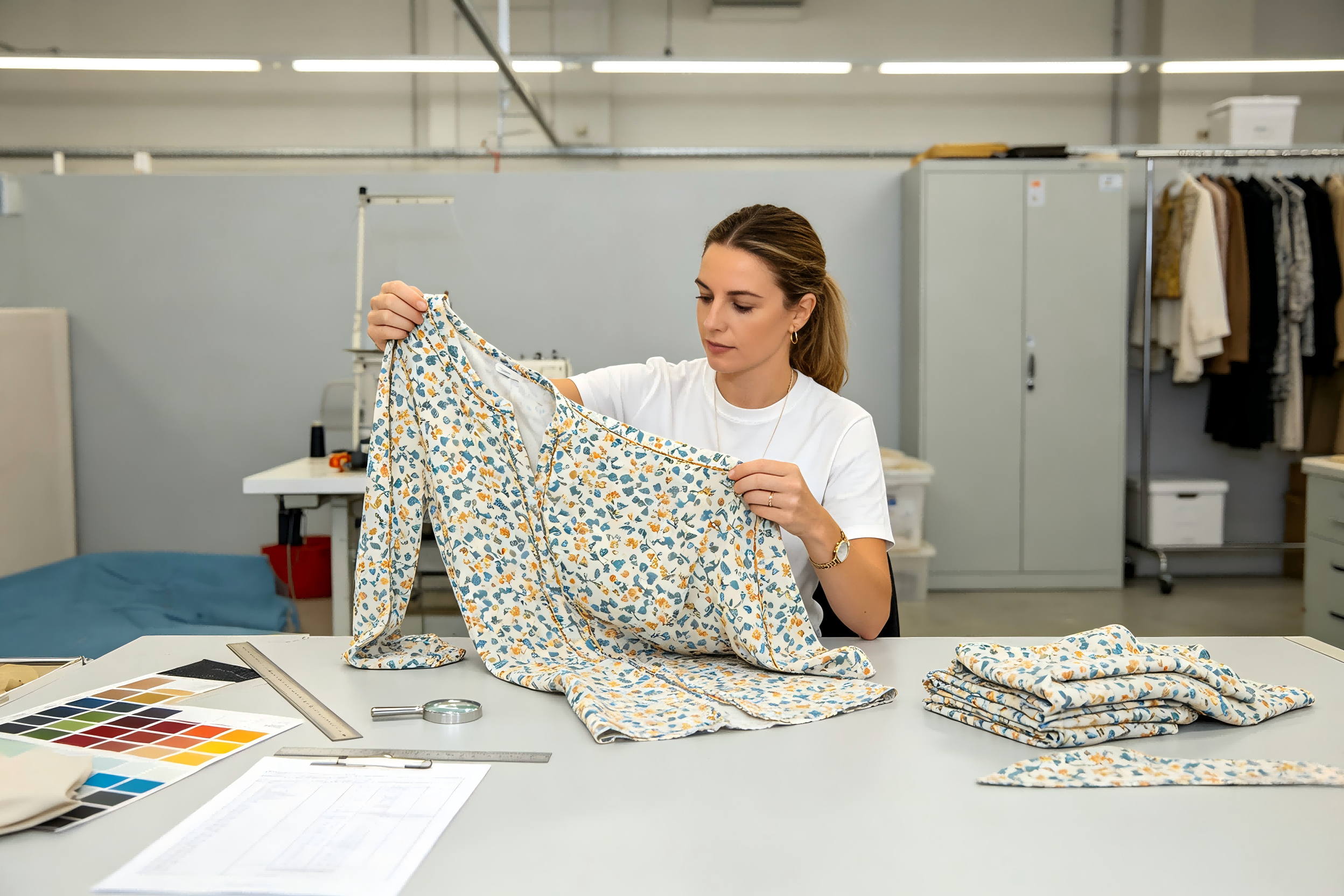
The finished piece goes through a quality check. Inspectors look for print clarity, color accuracy, stitching quality, and correct fit. Any defective items are pulled before they reach the shipping stage.
Step 8: Ship to Customer
The final step. The garment is packaged carefully and shipped out to your customer. With Peaprint's global production network, fulfillment times are optimized to get your orders delivered quickly, no matter where your customers are.
Top 5 AOP Product Categories for Sellers
Not every product is a great fit for AOP. Some categories consistently outperform others in terms of profit margins, customer excitement, and sheer visual impact. Here are the top five you should consider adding to your catalog.
1. Hoodies
Profit Potential: ⭐⭐⭐⭐⭐
Competition Level: Low
Typical Price Range: $50–$80
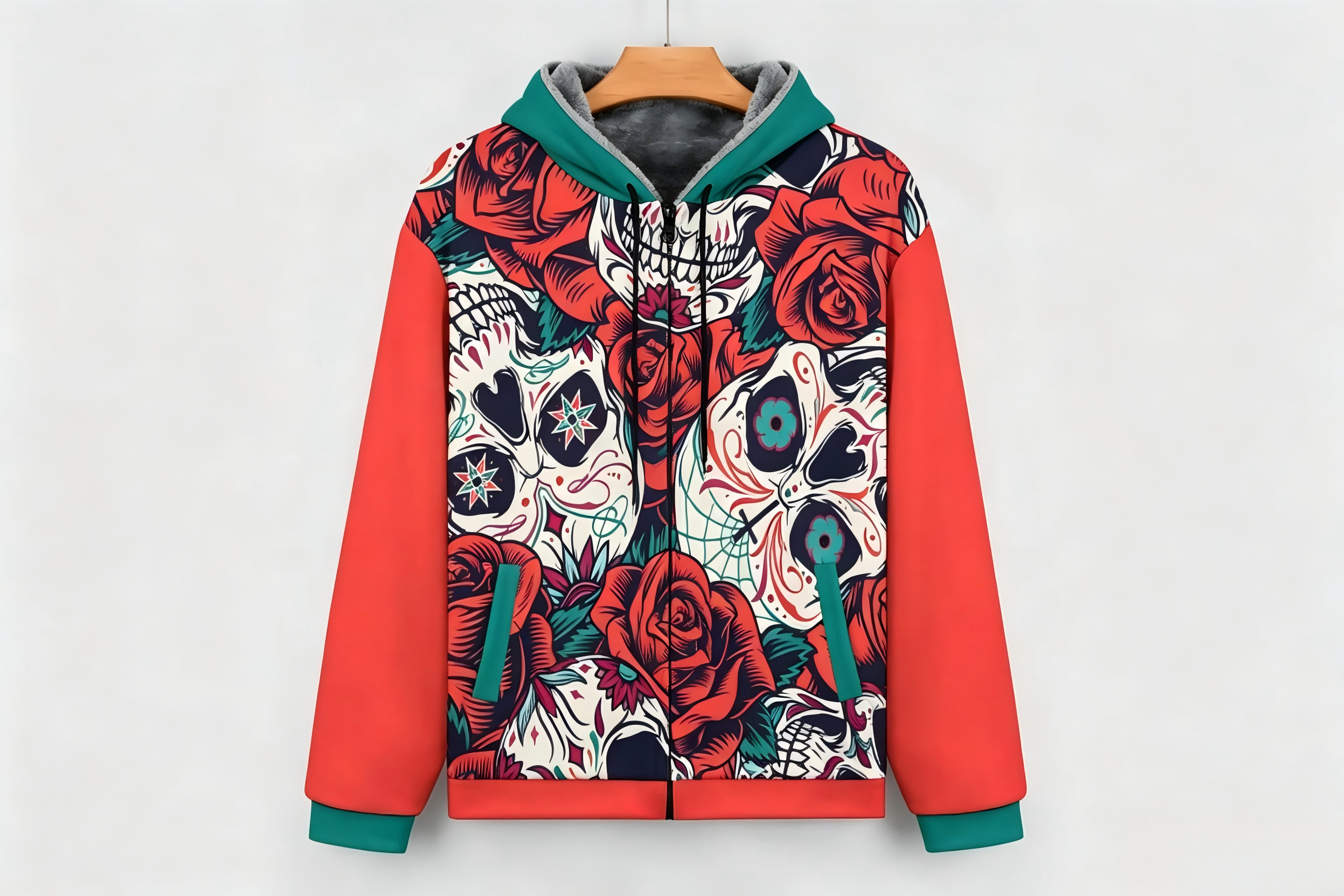
Hoodies are the undisputed king of AOP products. They give you a massive surface area to work with, turning the wearer into a walking canvas for your artwork. The premium price tag means you get to keep more profit per unit than almost any other category.
AOP hoodies are especially strong in streetwear, music merchandise, and lifestyle brands. They also make fantastic gifts, which opens up seasonal opportunities around the holidays.
2. Dresses and Blouses
Profit Potential: ⭐⭐⭐⭐
Competition Level: Medium-Low
Typical Price Range: $40–$65
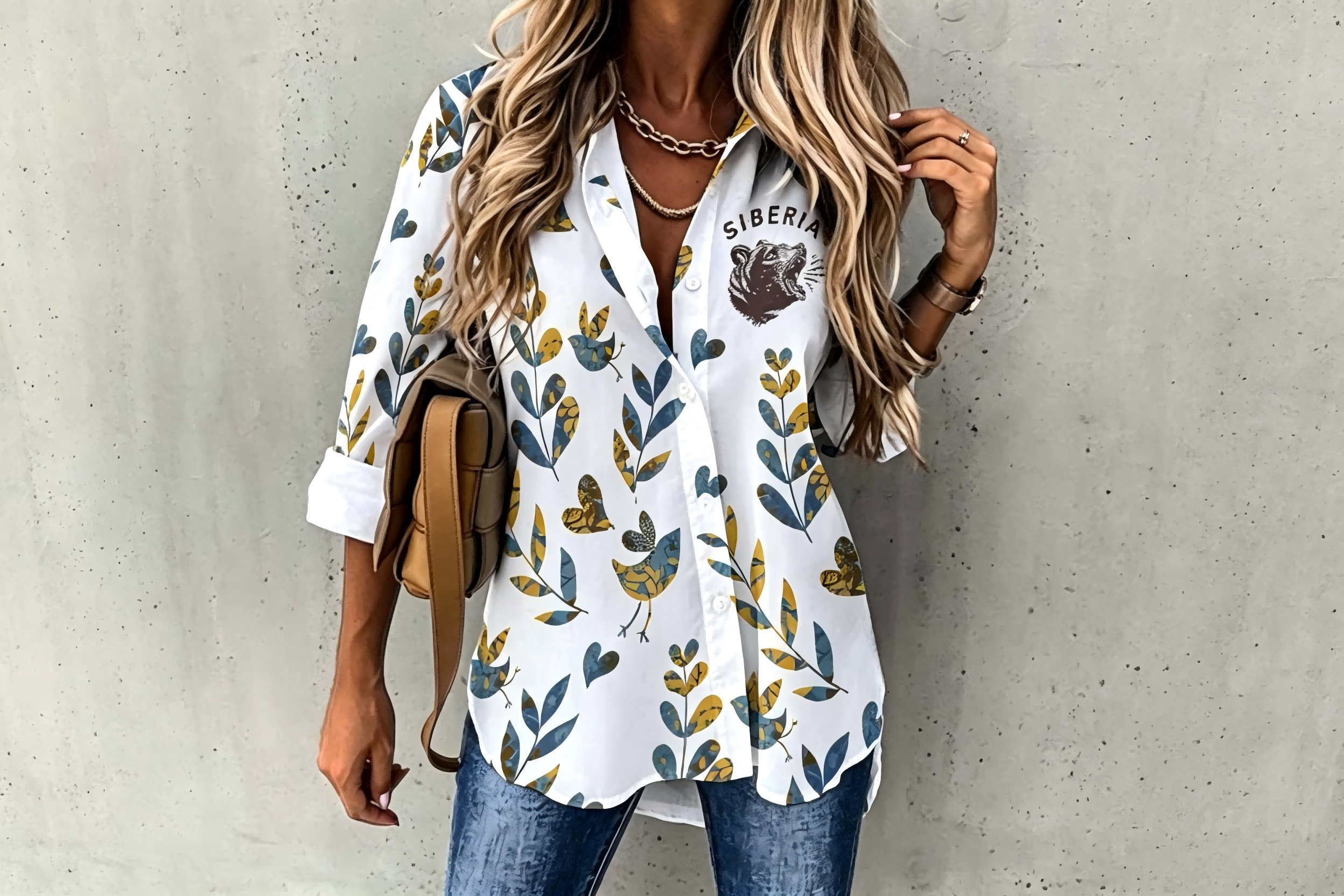
AOP dresses are a category where Peaprint sellers consistently leave positive feedback. The full-coverage nature of AOP allows for striking, bold patterns that stand out in a sea of basic boutique apparel. This is a favorite among women's fashion sellers and independent boutique owners.
Blouses offer similar potential with a slightly more polished or professional feel, depending on your design direction.
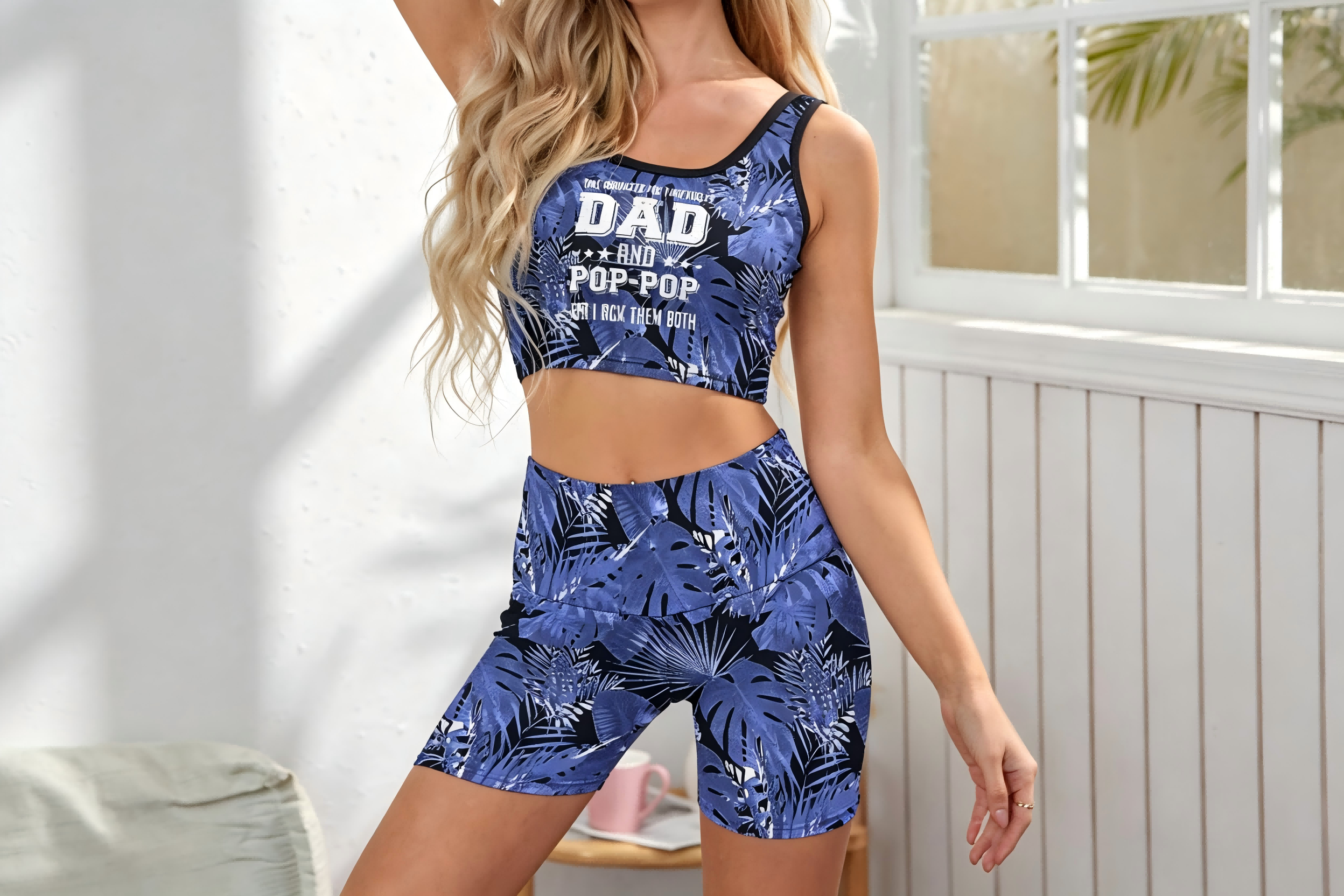
3. Yoga Sets
Profit Potential: ⭐⭐⭐⭐
Competition Level: Low
Typical Price Range: $45–$75
The activewear market is booming, and yoga sets are right at the center of it. AOP yoga sets allow you to create unique, eye-catching patterns that appeal to yogis, gym-goers, and everyday casual wearers alike. The global activewear market was valued at over $63.8 billion in 2025, and demand for printed activewear is still climbing.
One major advantage? Social media. Fitness influencers are always looking for standout pieces to feature in their content—and a bold AOP yoga set gets noticed.
4. Tote Bags
Profit Potential: ⭐⭐⭐
Competition Level: Very Low
Typical Price Range: $30–$50
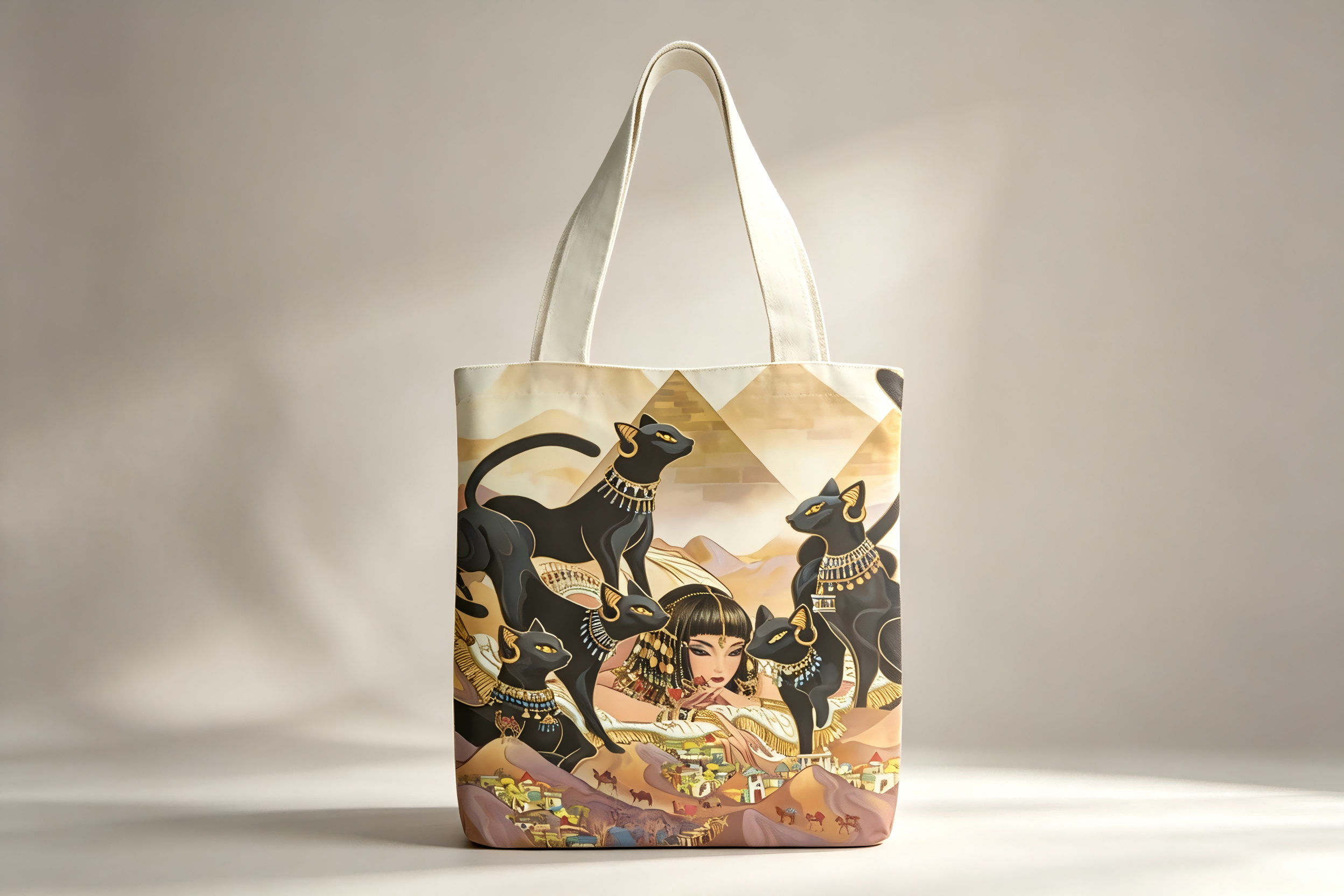
Tote bags are a hidden gem in the AOP world. The large, flat surface is perfect for displaying bold designs, and the product itself appeals to environmentally conscious consumers who want to move away from single-use plastics.
The "open-bag" trend in K-fashion has also given AOP tote bags a fresh boost—they're fashionable, functional, and highly shareable on social media.
5. Shirts
Profit Potential: ⭐⭐⭐
Competition Level: High
Typical Price Range: $30–$55
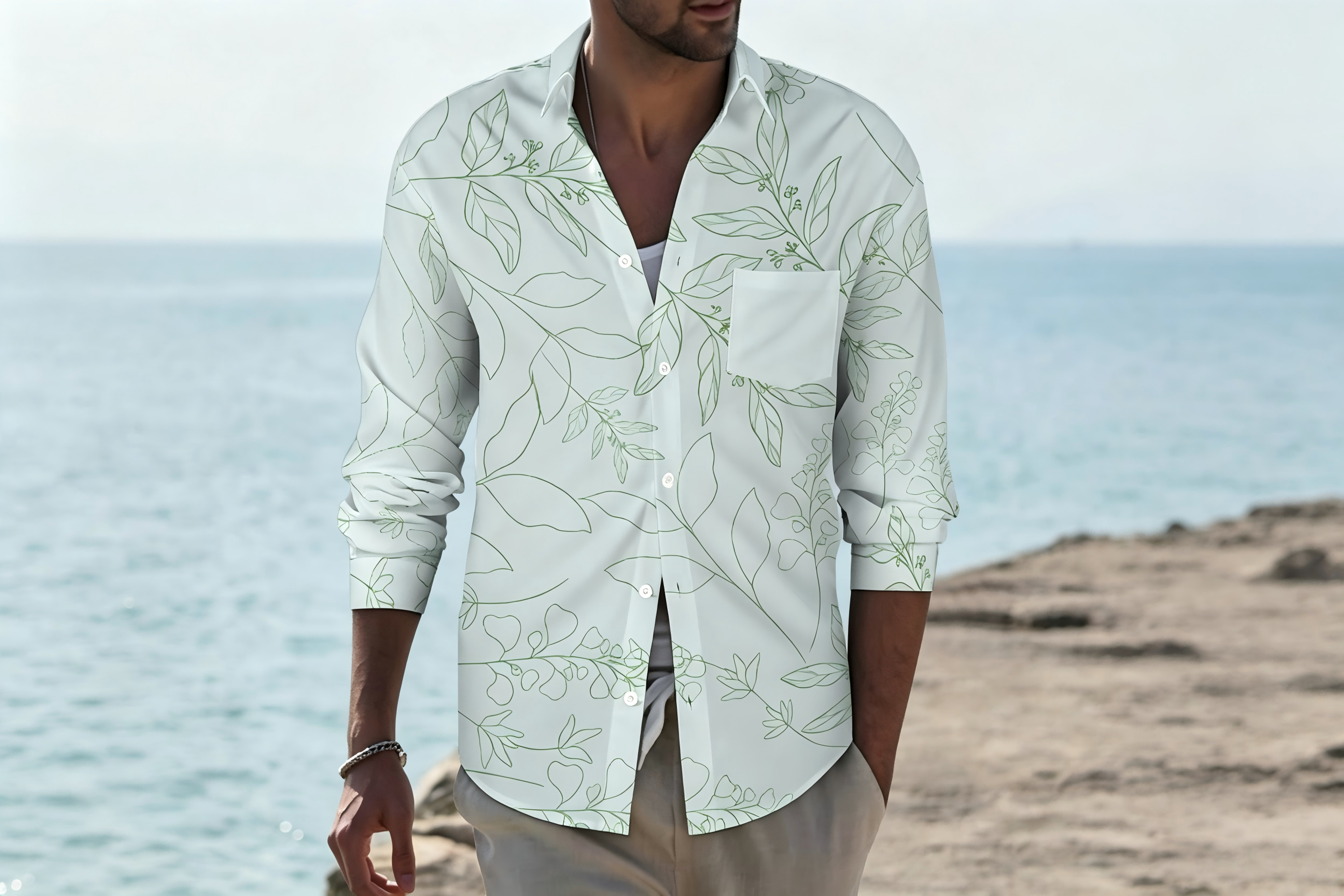
Let's be honest—shirts are the most saturated category in the POD world. But AOP shirts are different. They stand out from the endless sea of small chest logos and back graphics. An AOP shirts gives you something your competitors simply can't offer.
The key here is design. Strong, bold, visually arresting patterns perform best—and they justify a higher price tag than standard shirts.
Honorable Mentions
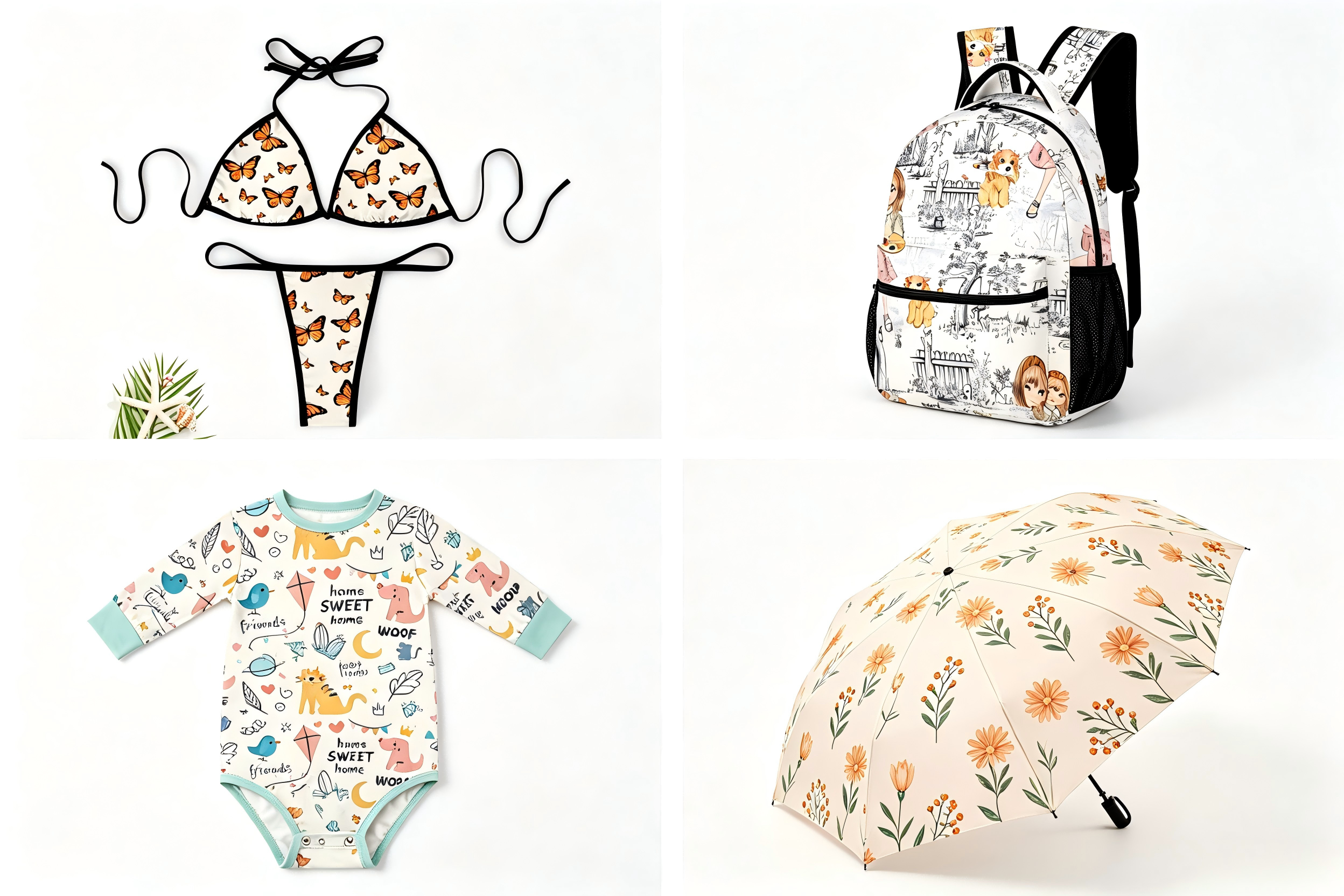
- Swimwear – AOP bikinis and swim trunks consistently get great reviews, with high visual appeal and solid margins.
- Backpacks – A growing category, especially among students, commuters, and travelers.
- Umbrellas – A unique novelty product that turns a rainy day into a style statement.
- Onesies – A popular choice in the baby and children's market, especially for gifts.
AOP Design Fundamentals: What Every Beginner Needs to Know
Designing for AOP is not the same as designing for a chest print. If you follow these core rules, you'll avoid the most common rookie mistakes and get much better results right out of the gate.
Resolution: The Golden Rule
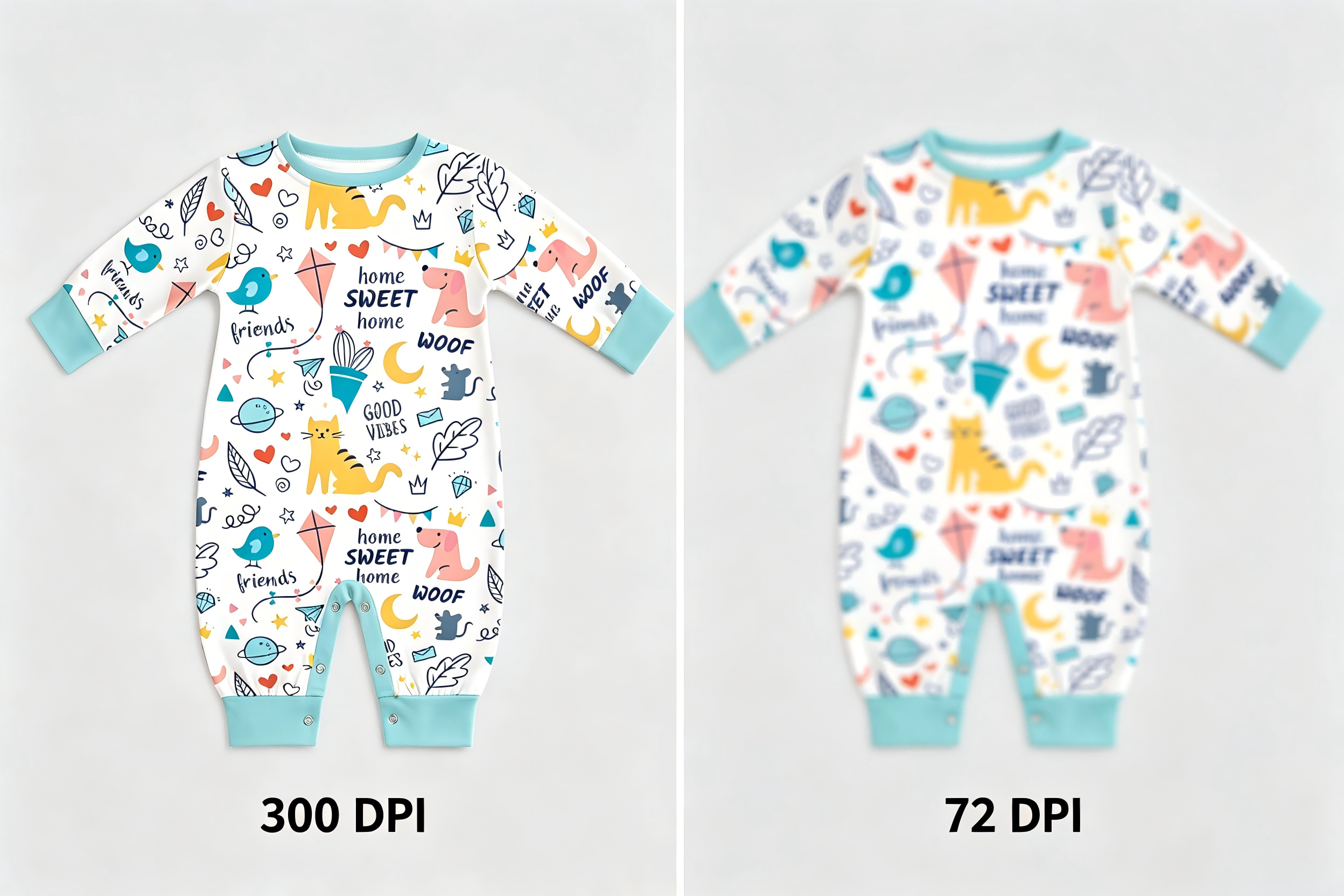
Always design at 300 DPI or higher.
Resolution is the single most important technical factor in AOP design. At 300 DPI, your design will print sharp and professional. Anything lower—like the 72 DPI you use for web images—will look blurry, pixelated, and cheap when printed.
If you're working with photographs or highly detailed artwork, consider going up to 600 DPI to preserve every last detail.
Color Mode: CMYK, Not RGB
Always work in CMYK color mode.
CMYK (Cyan, Magenta, Yellow, Black) is the color model used for commercial printing. RGB (Red, Green, Blue) is used for screens—monitors, phones, and TVs.
If you design in RGB and convert to CMYK later, the colors will shift. Those neon greens, electric blues, and ultra-saturated reds you see on screen will look duller on fabric. To avoid surprises, start in CMYK from the very beginning.
Bleed: Designing Beyond the Cut Line
Extend your design past the trim line.
When a garment is cut and sewn, the pattern needs to extend slightly beyond where the fabric will be cut. That extra margin is called bleed. Without it, you risk a thin white border showing up along the edge of your print.
Every manufacturer has specific bleed requirements. Always download and use the design template provided by your POD partner—it'll show you exactly where the artwork needs to extend.
Safe Zone: Protect Your Most Important Elements
Keep your critical design elements away from the edges.
While bleed protects against cutting errors, the safe zone protects your most important content—text, faces, logos, and key visual details—from being cut off or lost in seams.
As a general rule, keep all crucial content at least 1 inch (2.5 cm) away from any cut line or seam.
Seamless Patterns: Why They Matter for AOP
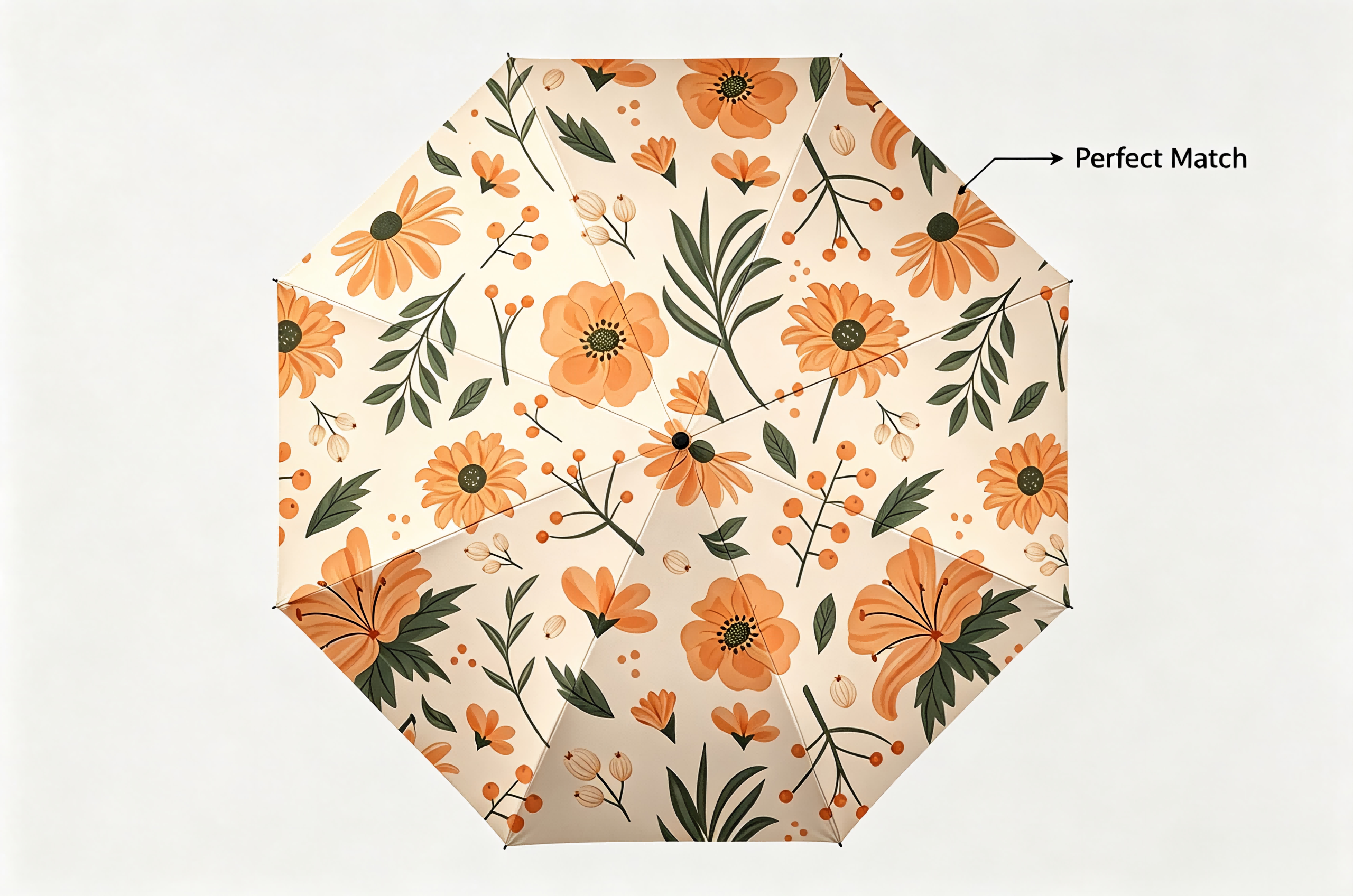
Some of the most striking AOP designs use seamless repeat patterns—patterns that tile infinitely without visible edges or interruptions.
To create a seamless pattern, your design needs to match at the edges. When the left side meets the right side, and the top meets the bottom, the pattern should continue without a break. This is especially important for garments where the design stretches across the whole body.
Quick Design Checklist
Before you upload any design, run through this list:
- Resolution: 300 DPI or higher
- Color mode: CMYK
- Bleed included (check your template for exact specs)
- Critical elements inside the safe zone
- Seamless pattern aligned (if you're using one)
- File format: PNG, JPG, PDF, PSD, or AI (check supplier specs)
- Design extends across the entire garment surface
How to Choose an AOP Supplier
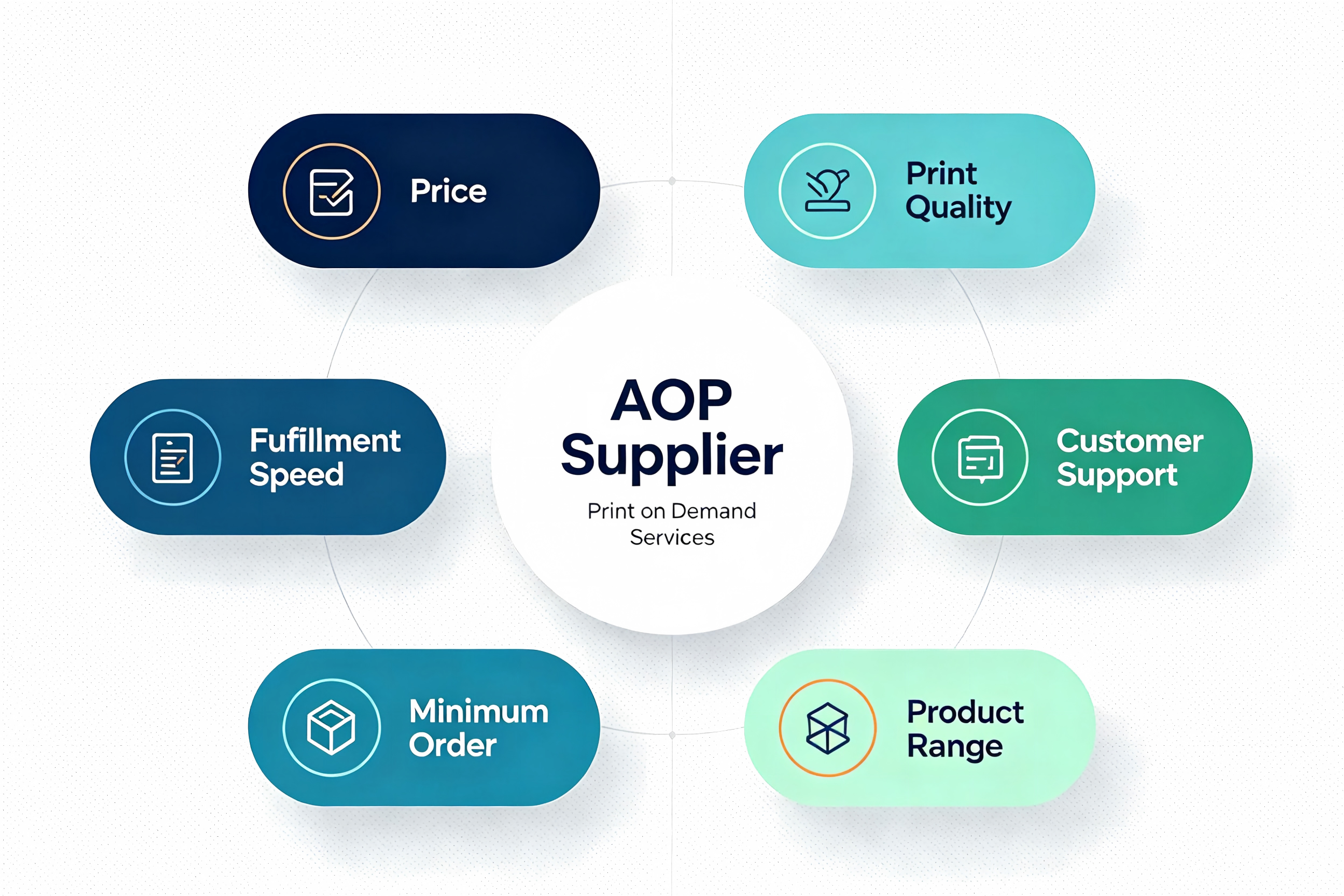
Your choice of supplier will make or break your POD business. The right one delivers consistent quality on time at a fair price. The wrong one will cost you money, damage your reputation, and drain your time.
Here's exactly what to look for.
1. Price
In POD, every dollar counts. Even a small difference in unit cost eats directly into your margin—especially as you scale.
Compare pricing across suppliers for the same products. Same material, same weight, same quality standard. Peaprint consistently offers competitive pricing that helps sellers maintain healthy profit margins without compromising on quality.
2. Print Quality
AOP is all about visual impact. If the print is muddy, misaligned, or poorly saturated, your customers will notice immediately—and they won't be shy about leaving a bad review.
Always order samples before you commit. Check for:
- Color accuracy – Does it match your original file?
- Sharpness – Are the edges crisp, or do they look soft and blurry?
- Seam alignment – Does the pattern flow naturally across the seams?
- Hand feel – Does the print feel smooth, or does it sit on top like cheap transfer vinyl?
3. Fulfillment Speed
Fast shipping isn't a nice-to-have anymore—it's table stakes. Customers expect their orders to arrive quickly, and slow fulfillment leads to refunds, bad reviews, and lost repeat business.
Ask every supplier about their average production time and shipping times to your specific target markets. Peaprint's global network of 110+ production centers enables faster delivery to customers in North America, Europe, and beyond.
4. Customer Support
When something goes wrong—and eventually, it will—you need a supplier that responds quickly and fixes problems without drama.
Read reviews. Talk to other sellers. Peaprint is widely recognized for responsive, helpful customer support, including dedicated account managers for sellers in key regions.
5. Minimum Order Quantity
Many AOP suppliers force you to order in bulk—50 or 100 units minimum—before they'll even run your job. For most POD sellers, that defeats the entire point of the model.
You want to test designs, iterate, and scale at your own pace. Peaprint offers a 1-unit minimum. Order a single sample. Fulfill a single customer order. No risk, no sitting on unsold inventory.
6. Product Range
The more products you can offer through a single supplier, the simpler your operations become. Managing multiple suppliers is a headache.
Peaprint offers AOP across a wide range of categories: t-shirts, hoodies, dresses, leggings, swimwear, blouses, onesies, tote bags, backpacks, umbrellas, hats, and more.
Quick Supplier Evaluation Table
| Criteria | Why It Matters | What to Look For |
| Price | Directly hits your profit margin | Competitive per-unit pricing, no hidden fees |
| Print Quality | Drives customer satisfaction and reviews | Accurate colors, sharp details, clean seam alignment |
| Fulfillment Speed | Affects customer experience and ratings | 1–3 day production, fast international shipping |
| Customer Support | Makes or breaks issue resolution | Responsive, knowledgeable, and helpful team |
| Minimum Order | Impacts your cash flow and risk | 1-unit minimum keeps you flexible |
| Product Range | Simplifies your supplier management | Wide AOP selection under one roof |
AOP Market Trends and Outlook for 2026
If you're planning to build a business around all-over print, understanding where the market is heading will help you make smarter decisions about products, positioning, and timing. Here are the key trends to watch.
The "Printmaxxing" Phenomenon
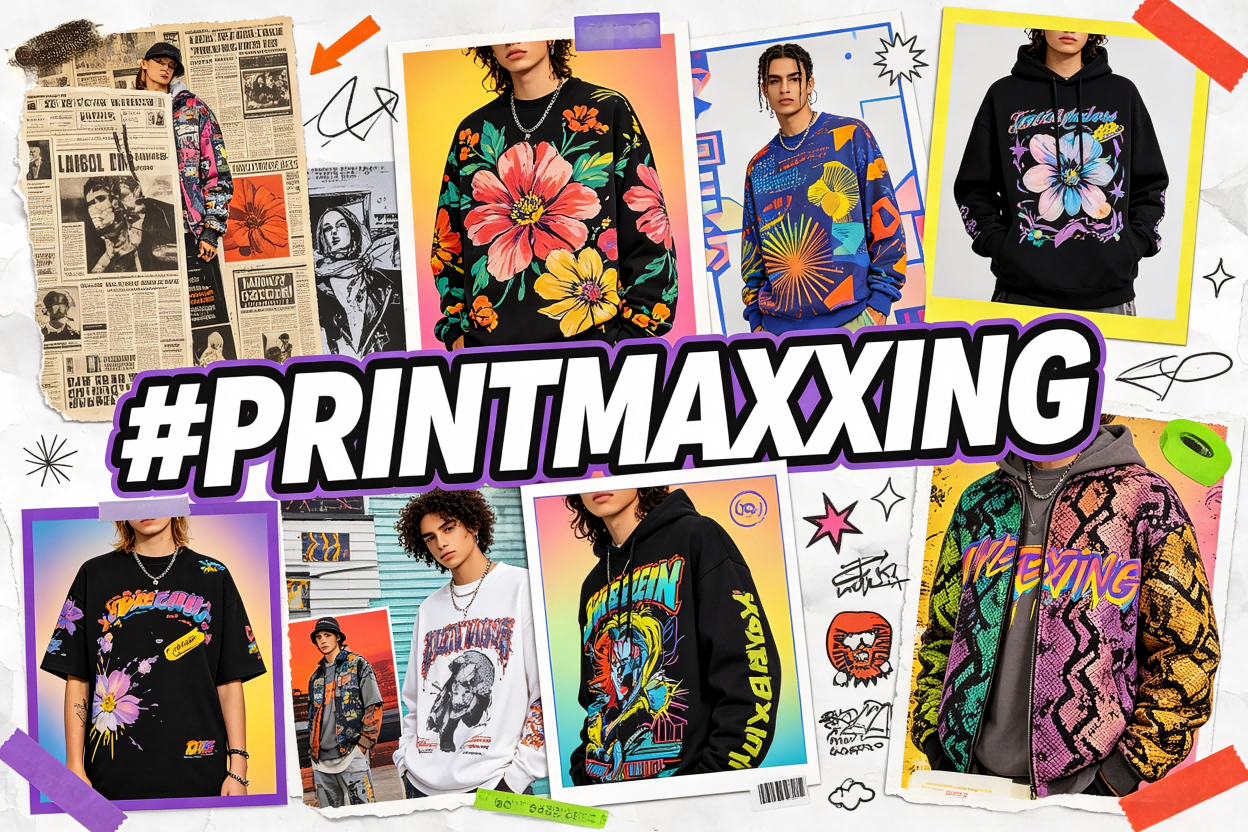
"Printmaxxing" has been picking up serious momentum across TikTok, Instagram, and other visual platforms. The idea is simple: more is more. Consumers are gravitating toward bold, oversized, and all-encompassing patterns that make an unapologetic statement.
All-over print is the ultimate expression of this trend. It's the opposite of minimalism—and for many younger shoppers, it's a form of self-expression that a small chest logo simply can't deliver.
Digital Textile Printing Growth
The digital textile printing market—which includes dye sublimation and AOP—is projected to grow from $4.1 billion in 2026 to $6.8 billion by 2030. That's a compound annual growth rate of roughly 14%.
What's driving it?
- Falling costs of digital printing equipment.
- Rising consumer demand for custom, one-of-a-kind apparel.
- The shift toward on-demand fulfillment models.
- A growing preference for sustainable, small-batch production.
The Sustainability Angle
One of the most overlooked advantages of POD is its sustainability. Traditional retail production churns out massive amounts of unsold inventory—and most of it ends up in landfills.
POD flips that model. Items are only produced when someone actually buys them. That dramatically reduces waste and appeals directly to eco-conscious shoppers. In fact, 63% of consumers say they're willing to pay more for products from brands that are transparent about sustainability.
AOP in Activewear
The activewear market is still expanding, and AOP leggings, sports bras, and tank tops are leading the charge. Fitness-minded customers want gear that's both functional and fashionable—and AOP delivers on both fronts.
Athleisure isn't going anywhere, and AOP is perfectly positioned to ride that wave.
Niche Market Opportunities
One of AOP's biggest strengths is its ability to serve niche audiences.
- Pet owners – Matching AOP hoodies for pets and their humans.
- Yoga practitioners – Custom leggings and mats with unique patterns.
- Music fans – Band merchandise with full-cover, immersive artwork.
- Gamers – Apparel featuring game-inspired designs.
- Travelers – Destination-themed AOP clothing and tote bags.
If you can identify a passionate, underserved niche, AOP gives you the creative freedom to speak directly to them.
Frequently Asked Questions
Can AOP be done on 100% cotton?
No. The dye sublimation process requires synthetic fibers—specifically polyester—to bond with the dye. Most AOP garments use 100% polyester or a polyester blend with at least 70% polyester content.
Is AOP more expensive than screen printing?
For small quantities—under 50 units—AOP is often more cost-effective because there are no setup fees. Screen printing gets cheaper at scale, but only once you're ordering in bulk. For POD sellers who need low minimums, AOP is the clear winner.
How long do AOP prints actually last?
They last years. Because the dye is embedded inside the fibers rather than sitting on top, it won't fade, crack, or peel with normal wear and proper care. Wash in cold water, air dry or tumble dry low, and the print will outlast the garment.
Can I print photographs with AOP?
Absolutely. Dye sublimation reproduces high-resolution, photo-quality images beautifully. That's one of the reasons photographers and artists love AOP.
What's the minimum order quantity for AOP?
It depends on the supplier. Peaprint lets you order a single unit—perfect for sampling and for POD sellers who want zero inventory risk.
How long does it take to produce an AOP garment?
Production time usually falls between 1 and 5 business days, depending on the supplier and current order volume. Peaprint is optimized for fast POD turnaround.
Can I use Canva to design AOP products?
Yes. Canva is a great starting point for beginners. Just be mindful of its resolution limits—export at the highest quality available and double-check your file before uploading.
What happens if my design doesn't fit the template?
If you ignore the template, your design will likely get cropped, stretched, or mispositioned on the final product. Always use the exact template provided by your supplier, and always preview your design before ordering.
Is AOP suitable for dark-colored garments?
AOP works best on white or light-colored polyester because the dye adds color to a blank base. You can technically print on darker fabrics with specialized techniques, but the colors won't pop the same way.
Ready to Start Your AOP Journey?
By now, you've got a solid understanding of what all-over print is, how it works, which products make the most sense, and what to look for in a supplier. You've learned the design rules that will help you skip the rookie mistakes, and you've seen the market trends that point toward continued growth.
The next move is yours.
Peaprint offers a wide range of AOP products—hoodies, dresses, leggings, tote bags, swimwear, and more—with no minimum orders, competitive pricing, and a global production network built for fast delivery.
Here's how to take the next step:
- Browse the AOP catalog – Explore every product available through Peaprint.
- Download a design template – Every product page includes a downloadable template so you can start creating right away.
- Order a sample – Seeing and feeling the product yourself is non-negotiable. Order one before you sell one.
- Connect your store – Peaprint integrates with Etsy, Shopify, WooCommerce, and more.
- Start selling – Once you've confirmed the quality, list your products and take your first orders.
Your AOP business starts now. The demand is growing, the margins are healthy, and the creative possibilities are nearly endless.
About the Author – This guide was written by the Peaprint Editorial Team. We're dedicated to helping print-on-demand sellers understand the all-over print landscape and build successful, sustainable businesses. Peaprint specializes in AOP apparel with no minimums, competitive pricing, and a global production footprint.