What Is a Heavyweight T-shirt?
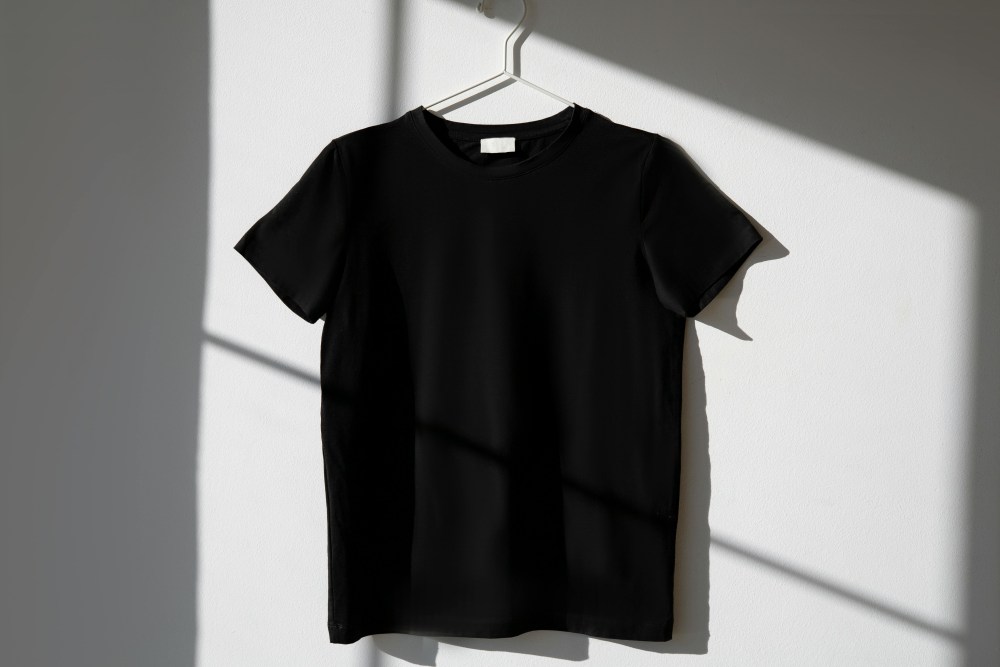
Heavyweight t-shirts are becoming increasingly popular among consumers. People are starting to prioritize the quality and durability of their t-shirts. However, for many new entrepreneurs and consumers, the difference between regular and premium heavyweight t-shirts can be confusing. Today, we'll discuss this topic. After reading this article, you will have a clear understanding of heavyweight t-shirts, and at the end, we've selected a range of high-quality t-shirts from PeaPrint for you to choose from.
What is a heavyweight t-shirt?
Heavyweight t-shirts refer to garments made from fabric with a higher weight per square meter or yard. Generally, if a t-shirt fabric weighs more than 6.0 ounces per square yard (approximately 180 grams per square meter), it's considered a heavyweight t-shirt. They prioritize fabric thickness, structure, and durability, while standard and lightweight t-shirts are lighter and more affordable.
Heavyweight t-shirts are typically made of cotton, making them durable, sturdy, breathable, and soft. Unlike the sheer, clingy fabrics found in fast-fashion multipacks, a heavyweight t-shirt feels substantial in your hand. It not only conforms to the body but also maintains its shape. This style of t-shirt has gained popularity due to skateboarding culture, 90s hip-hop fashion, and modern luxury streetwear brands like Supreme or Fear of God Essentials.
If you run a print-on-demand apparel business, I highly recommend adding heavyweight shirts to your product catalog. The dense knit of a heavyweight t-shirt conveys a message of high quality and durability.
Heavyweight vs lightweight t-shirts
A lightweight t-shirt (typically under 150 GSM) is designed for breathability and softness. These are often made from ring-spun cotton that feels very smooth against the skin but can be somewhat sheer. They are excellent for athletic wear, layering under dress shirts, or for surviving scorching summer heat. However, they lack structure. If you hold a lightweight tee up to the light, you can often see through it. They also tend to cling to the body’s contours, which isn't always flattering for every body type.
On the other hand, a heavyweight t-shirt prioritizes structure over flow. Because the fabric is denser, it creates a straighter line from the shoulder down to the hem. This "boxy fit" is currently trending because it looks more intentional and stylish than a fitted, thin tee.
From a printing perspective, the difference is night and day. Lightweight tees can sometimes struggle with heavy ink loads, whereas the tight, thick weave of a heavyweight t-shirt provides a stable surface for Direct-to-Garment (DTG) printing and screen printing. The ink sits beautifully on top of the fibers rather than soaking all the way through, resulting in vibrant, long-lasting prints.
Why choose heavyweight t-shirts?
Custom t-shirts are one of the most competitive niches in the print-on-demand industry. If you want to win customers with quality, then heavyweight t-shirts are an indispensable product. Here are four main reasons why.
Durability
Heavyweight t-shirts offer unparalleled durability. Their thick fabric makes them more resistant to wear and tear; while ordinary t-shirts might start to look worn after 20 washes, high-quality heavyweight t-shirts often become softer and more comfortable over time without losing their original quality. For your customers, this means exceptional value for money.
Opacity
A common problem with lightweight t-shirts is that they are often see-through. Heavier shirts, on the other hand, use thick, opaque fabrics, which is very important for customers who prefer not to be overly exposed. This ensures modesty and elegance, making them suitable for a variety of occasions, from everyday wear to formal events.
Shape retention
Have you ever washed a t-shirt and found the side seams twisted to the front or the collar rippling like a potato chip? Heavyweight t-shirts excel at shape retention. The robust fabric supports the collar, keeping it tight and flat against the neck. Furthermore, the weight of the fabric pulls the garment down, helping it resist the warping and twisting common in cheaper alternatives.
Premium feel
In the world of e-commerce, you cannot let the customer touch the product before buying. However, you can describe it, and once they receive it, the hand feel determines if they will buy again. A heavyweight t-shirt feels expensive. It has a "dry" or "rugged" texture that distinguishes it from undershirts. You can adopt a premium pricing strategy because customers will perceive this type of product as a high-end item rather than a common commodity, which is also very beneficial for brand building.
What is GSM in t-shirts?
We have mentioned it a few times, but what is GSM in t-shirts, and why should you care?
GSM stands for Grams per Square Meter. It is the standard metric used globally to measure the weight and density of fabric.
- Higher GSM: Means the fabric is denser, thicker, and heavier.
- Lower GSM: Means the fabric is lighter, thinner, and more open.
In the United States, you might also see fabric weight measured in Ounces per Square Yard (oz/yd²). While the units differ, the concept is the same. For example, a standard 5.3 oz t-shirt is roughly equivalent to 180 GSM. A 6.0 oz t-shirt is roughly 200 GSM.
For discerning customers, clearly stating "230-gram heavy-weight cotton" in your product listing will let them know that you are not selling cheap goods. It serves as a technical specification that validates your quality claims.
How to define lightweight, standard, and heavyweight?
The boundaries between lightweight, standard, and heavyweight fabrics can sometimes become blurred due to marketing terminology. To help you better distinguish between them, I have organized the information into the following table for comparison.
| Category | GSM Range | Oz Range | Key Characteristics | Best Use Case |
|---|---|---|---|---|
| Lightweight | 120 -150 GSM | 3.5 - 4.5 oz | Soft, sheer, high drape, very breathable. | Summer events, gym wear, sleepwear, undershirts. |
| Standard | 150 - 180 GSM | 4.4 oz - 5.3 oz | The classic tee feel. Good balance of durability and breathability. | Corporate events, standard merch, everyday casual wear. |
| Heavyweight | Over 180 GSM | Over 5.3 oz | Thick, structured, opaque, rugged texture. Boxy silhouette. | Streetwear brands, luxury merch, autumn/winter layering, oversized looks. |
Which is the best GSM or weight for a t-shirt?
It's difficult to give a definitive answer to this question, as there's no absolute superior or inferior option between lightweight and heavyweight T-shirts. Different fabric weights have their own applications and the choice depends on the situation.
For example, lightweight T-shirts are more breathable and cooler in hot summer weather, while heavier T-shirts offer some warmth in colder conditions. Standard T-shirts fall somewhere in between, making them the most common style for everyday wear.
Personally, I prefer the fit of heavyweight T-shirts; they're more form-fitting and less prone to deformation. This is also why many personalized clothing brands choose them.
For brand builders, if you want to sell T-shirts at prices of $35, $40, or even $50 or more, you need a thicker fabric. Customers are rarely willing to accept expensive, lightweight, and transparent T-shirts. And as we mentioned earlier, heavyweight fabrics can withstand more ink, resulting in better print quality on tightly woven T-shirts.
PeaPrint's selection of heavyweight t-shirts
T-shirts remain the most popular print-on-demand product, and finding a high-quality, comfortable, and reasonably priced heavy-weight T-shirt with a simple design shouldn't be difficult. We've carefully selected a range of heavy-weight T-shirts to meet your customers' needs.
Unisex heavyweight t-shirts
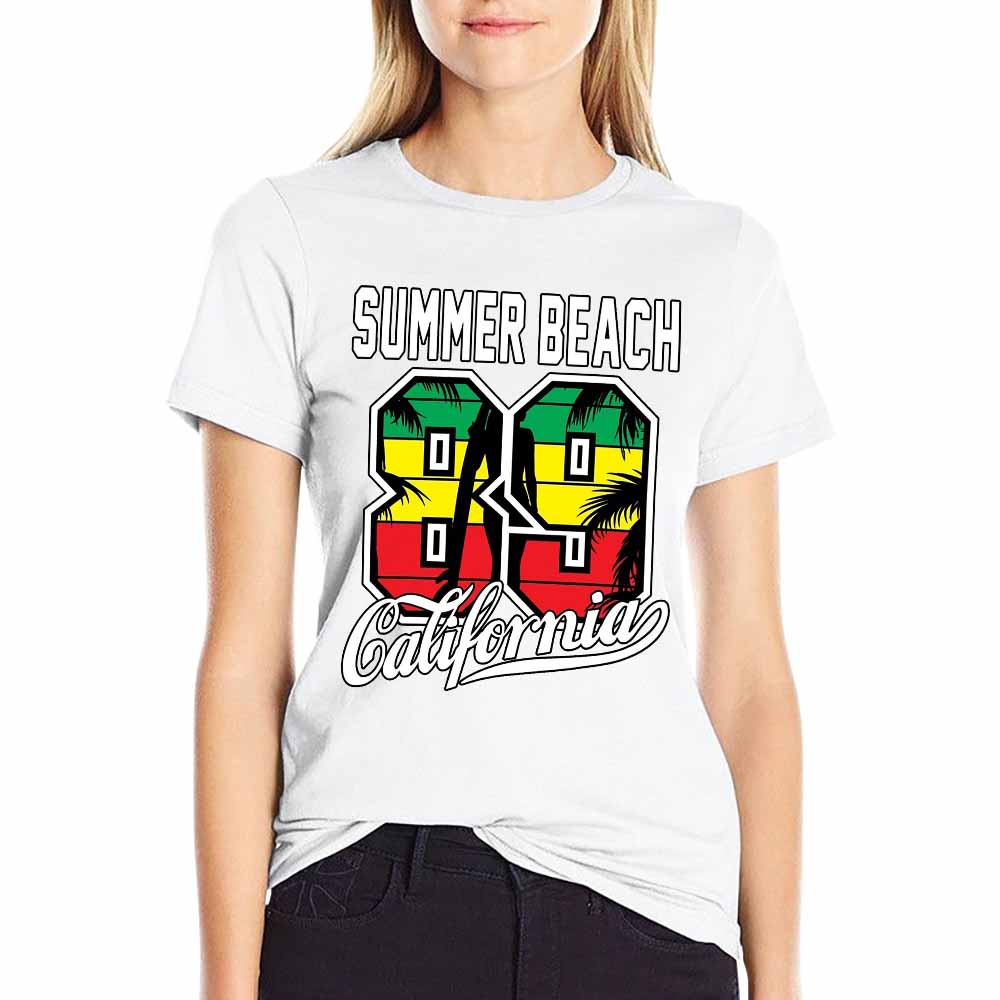
DTF 180gsm Short Sleeve Cotton Crewneck T-Shirt for Men Women
Our most popular entry-level unisex heavy-weight T-shirt, at 180 GSM, offers the perfect balance of lightness and durability. Featuring a classic crew neck design and available in sizes S to 3XL, it's suitable for everyone. Made from soft cotton fabric with DTF printing, the colors are vibrant and fade-resistant. If you're looking to expand your product line with an item that appeals to a wide range of customers, this is the perfect choice.
Men's heavyweight t-shirts
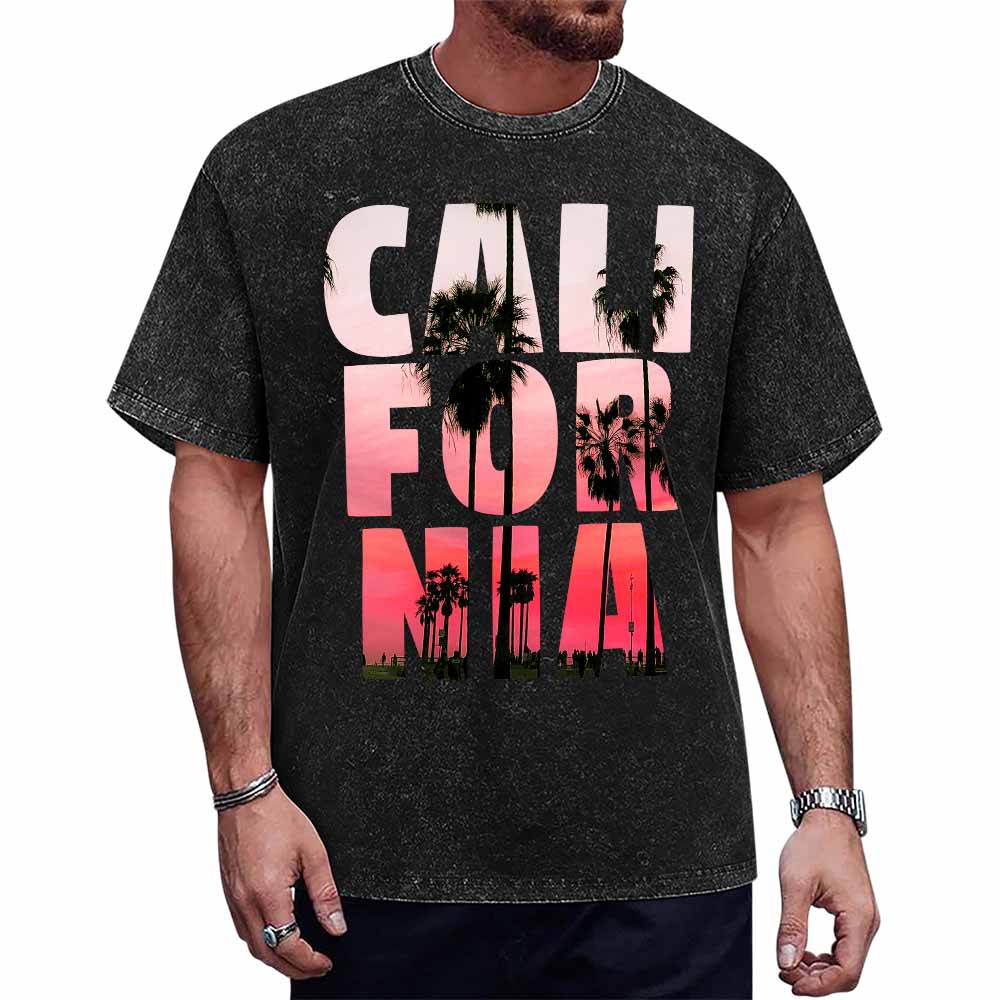
DTF 230gsm Cotton Men Washed Vintage T-Shirt
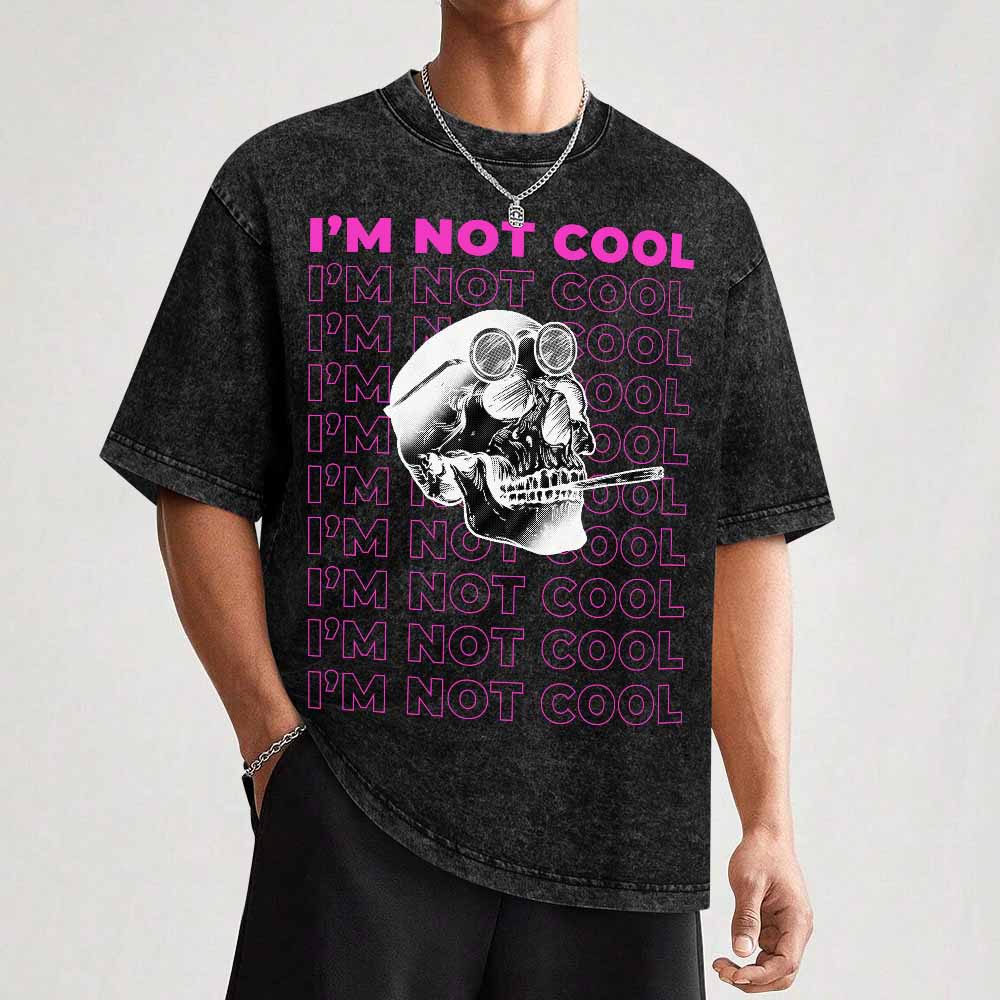
DTF 190gsm Men Washed Vintage T-Shirt
For a more masculine, rugged aesthetic, our men's selection focuses on structure. These shirts often feature slightly longer sleeves and a wider chest measurement to accentuate the shoulders. The heavyweight cotton ensures that the shirt doesn't cling to the midsection, providing a clean, flattering profile that men appreciate.
Women's heavyweight t-shirts
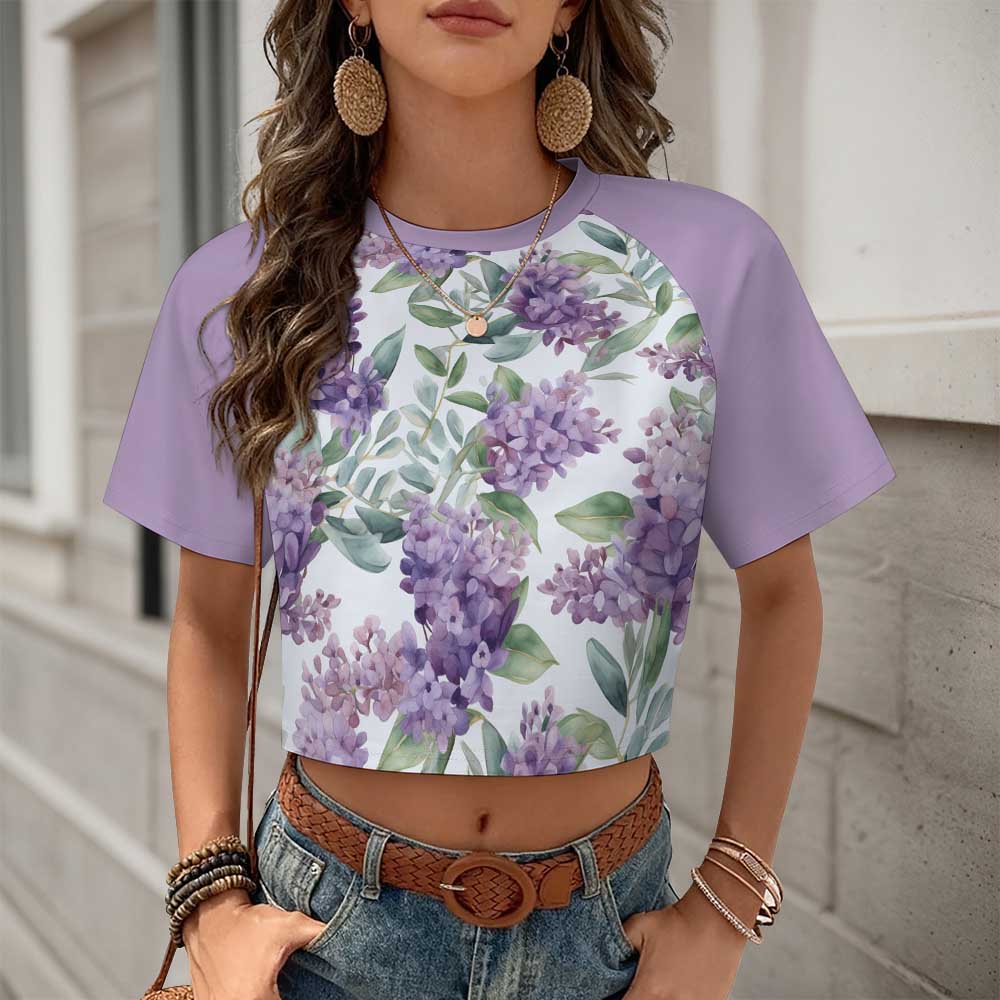
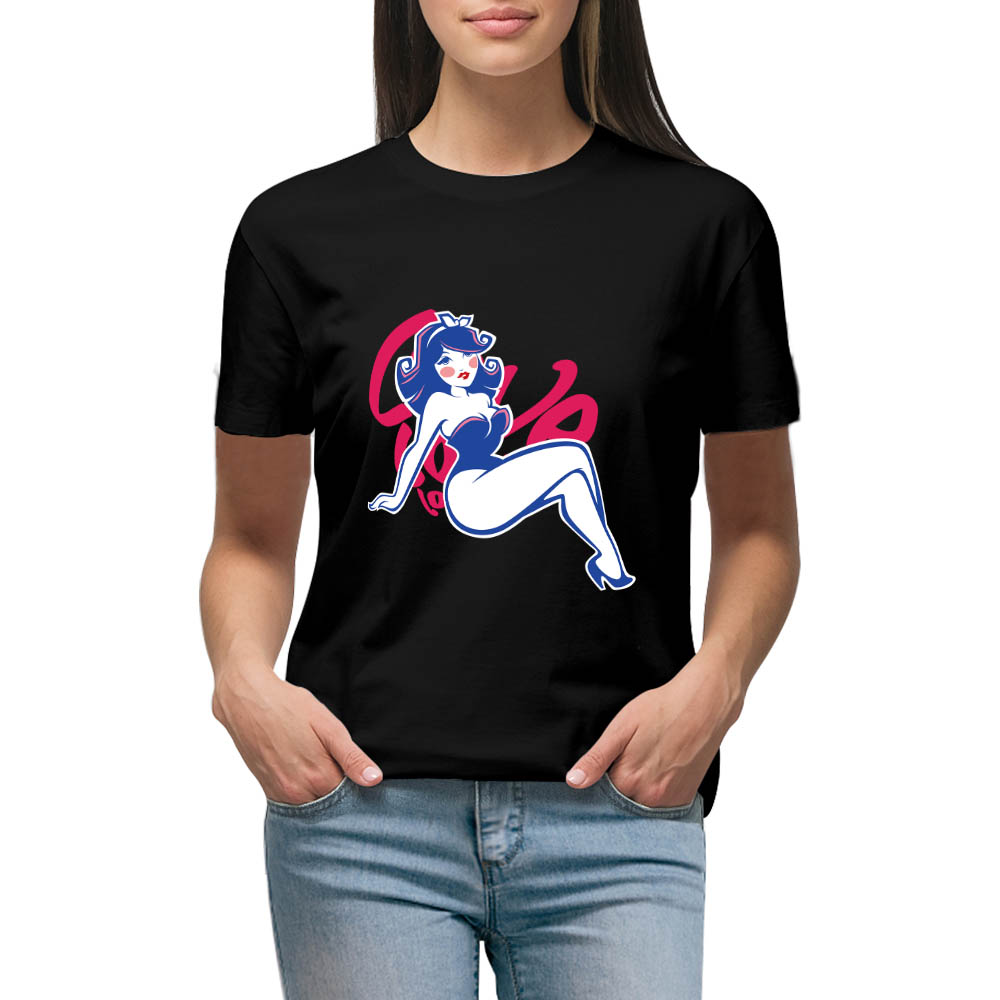
DTF 190gsm Designer T-Shirts for Women
Who says heavyweight is only for men? Our women's heavyweight t-shirts bring the quality of heavy cotton to feminine cuts. The structure of the heavy fabric is perfect for cropped boxy tees, allowing the shirt to "sit" away from the body rather than falling flat. This creates a trendy, modern silhouette that pairs perfectly with high-waisted jeans or skirts.
FAQs
Where to find the material's weight in PeaPrint's catalog?
Transparency is a core principle at PeaPrint. When browsing our product catalog, click on any T-shirt product, and you'll find the fabric weight clearly indicated in the product name. Alternatively, you can scroll down to the "Material Description" or "Specifications" section, where you'll see the fabric weight clearly labeled in grams (e.g., 230 grams) or GSM.
Do heavyweight t-shirts shrink after washing?
All cotton fabrics are prone to shrinkage, but T-shirts made from heavier fabrics are generally more durable and less likely to shrink than those made from lighter fabrics. Due to their higher fiber density, they have less room to contract and therefore are less likely to shrink significantly. However, to maintain the perfect fit, we always recommend washing in cold water. Air dry or tumble dry on low heat. Most of our high-quality, heavy cotton fabrics are pre-shrunk or specially treated to minimize shrinkage.
Do heavyweight t-shirts feel rough or stiff?
Not necessarily. "Heavy" refers to the density, not the roughness. While some vintage-style heavyweight tees have a dry, rugged texture (often called "open-end" cotton), modern premium heavyweight tees are often made with combed or ring-spun cotton. This gives you the best of both worlds: a thick, substantial feel with a soft, smooth touch against the skin.