How to Start a Swimwear Line with Print-on-Demand

Every summer, swimwear sales experience explosive growth. The swimwear industry is indeed highly profitable and boasts a massive market size, with the global swimwear market projected to reach $34.12 billion by 2034. Wondering how to start a swimwear brand? You're in the right place. With Print-on-Demand solutions, you can easily get started without needing a huge amount of upfront capital. Next, we will show you step-by-step how to launch a successful swimwear business.
1. Research and Choose a Niche Market
The swimwear market is huge, but the competition is equally fierce. To quickly stand out from the crowd, you must establish a unique and solid brand identity. Therefore, you first need to pick a unique niche market and focus on designing swimwear that caters to a specific audience.
Start with your interests: Choose a topic you are familiar with and passionate about. This ensures you understand your customers' needs during the design process and can maintain your enthusiasm over the long haul.
Conduct market research: Before starting any business, market research is an essential step, and the swimwear business is no exception. Find competitors that align with your theme to see what types of designs are selling well and analyze their successful strategies.
Identify your target audience: Think about who would be interested in your theme. You can profile your target users through demographic factors, psychographic analysis, and purchasing behaviors.
2. Choose a Reliable Production Partner
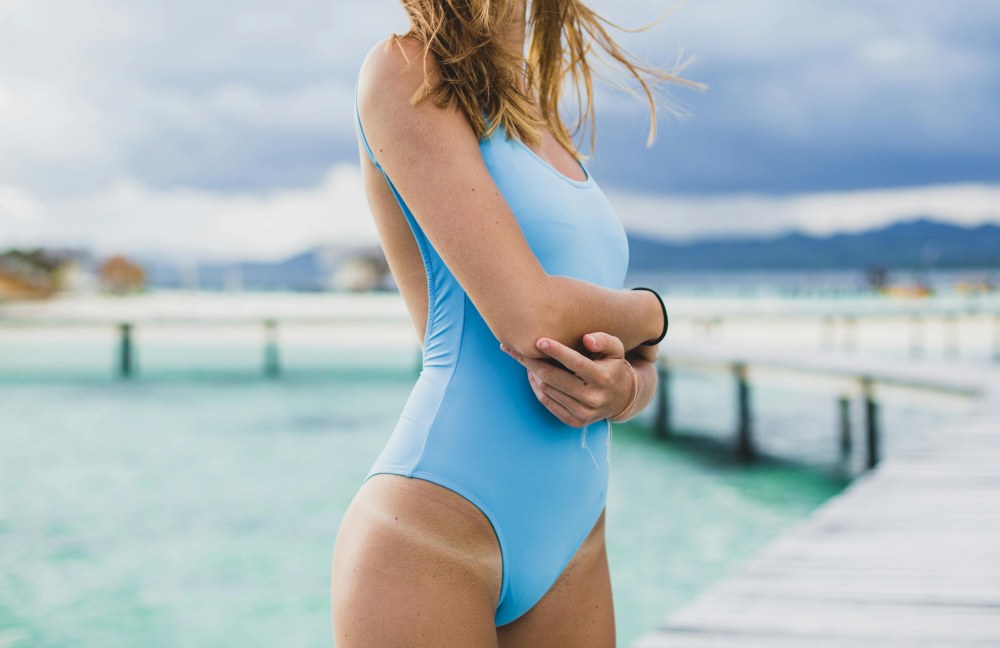
Print-on-demand is the absolute best way to start a swimwear brand. Even without any background in the fashion industry or abundant capital, you can launch your own swimwear line.
Strictly speaking, print-on-demand is a form of dropshipping, but the key difference is that POD products are made-to-order. This means you only pay for production when a customer places an order, completely eliminating the risk of dead stock and the need to invest in warehousing. Here are the core benefits of POD swimwear:
- No minimum order quantities (MOQs).
- No unsold inventory.
- Quick testing for design concepts.
- Extremely low operating costs.
The key to everything lies in choosing a reliable production partner, and PeaPrint has everything you need to start your swimwear brand:
- A completely free print-on-demand platform.
- Powerful product creation tools.
- A rich variety of swimwear styles for both men and women (over 60 styles, with more constantly being added).
- Seamless integration with mainstream e-commerce platforms.
- Premium print quality.
- Highly competitive market pricing.
You can sign up for PeaPrint now to start selling for free; PeaPrint will help you build your own online swimwear business from the ground up. If you need other POD platform options, the following guide might have what you're looking for: Top 30 Print On Demand Platforms in 2026.
3. Choose Your Swimwear Styles
One-Piece Swimsuits
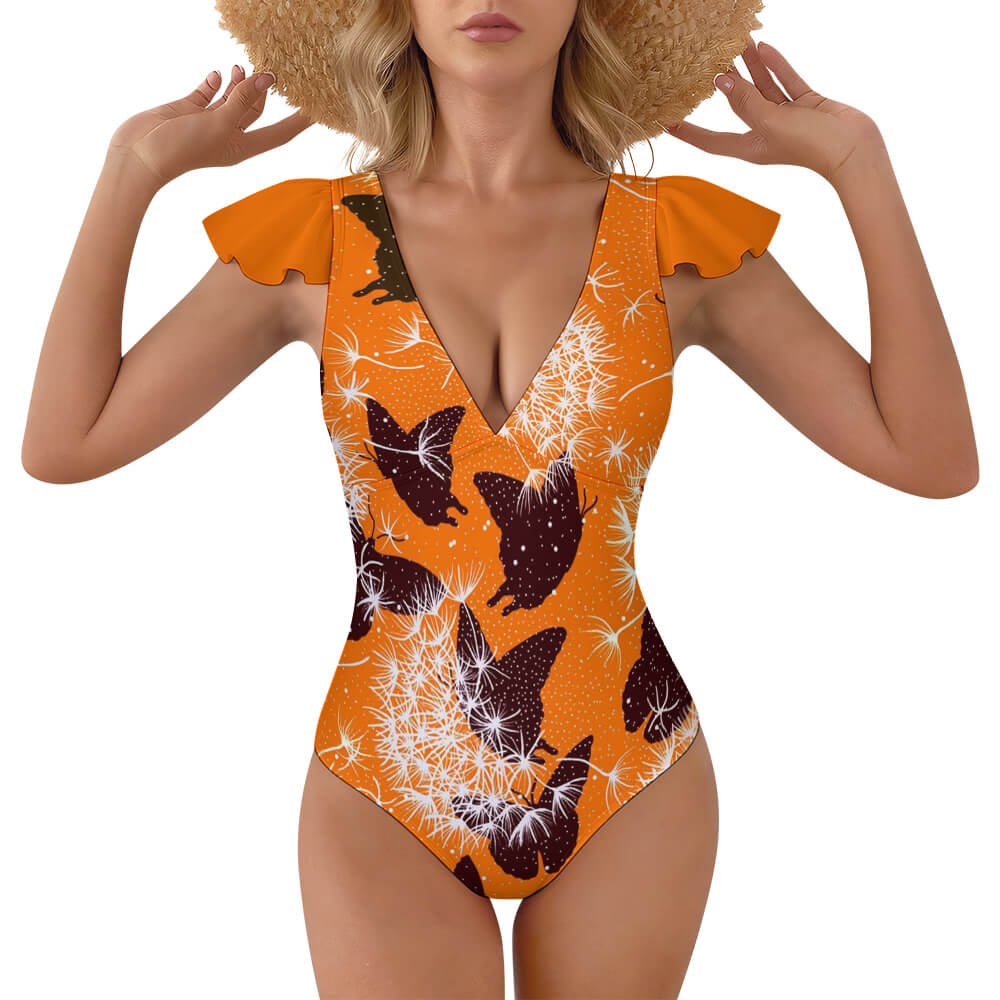
Our product catalog features a vast array of one-piece styles, allowing you to create various aesthetics for your line. We use dye-sublimation printing, so you can customize these one-pieces with vibrant, long-lasting colors. Additionally, we offer all-over print (AOP) options, enabling you to create all sorts of trendy and eye-catching AOP designs.
Bikinis
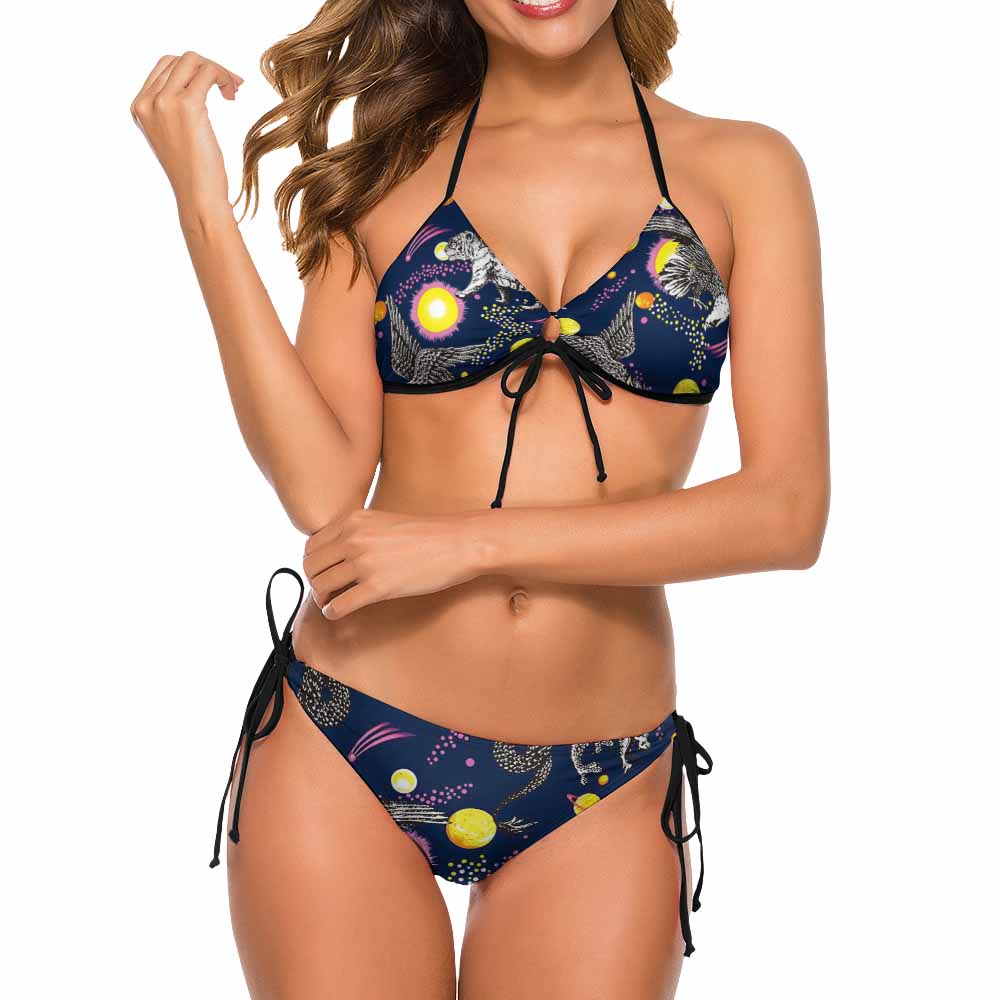
If you plan to launch a bikini line, PeaPrint has you covered. Here, you can find the perfect styles to flawlessly showcase your brand's unique designs. The swimwear manufacturers we partner with have decades of printing experience, ensuring every piece is flawless. Most importantly, you get the lowest base prices to maximize your profit margins.
Men's Swim Trunks
We offer a variety of men's swim trunks, all made from durable polyester fabric that holds its shape, dries quickly, and is highly breathable. If you want to customize swim trunks with unique patterns to help your customers stand out in a crowd, PeaPrint is absolutely the right choice. The all-over print option gives you incredible creative freedom to design bold, head-turning patterns.
Other Styles
New swimwear styles emerge every year. Besides the popular options above, we also recommend the styles below where you might find the perfect fit for your aesthetic:
Tankini: This is a two-piece swimsuit where the top is usually longer, covering the torso. It often features a camisole style, looking both fashionable and modest.
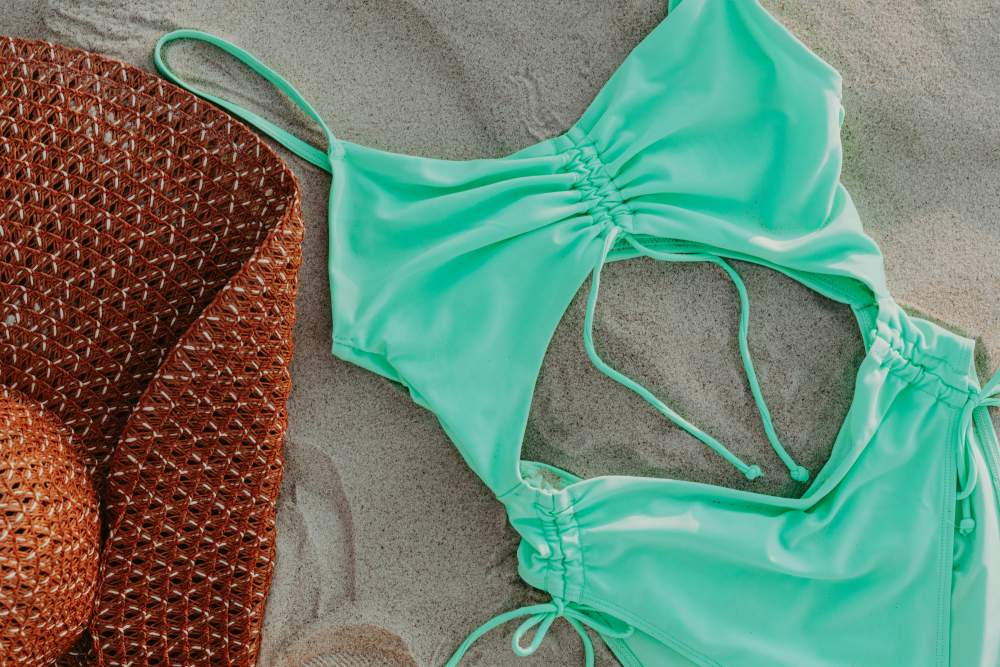
Monokini: This is a cutout one-piece swimsuit. Because it has significant cutouts around the waist, it looks very much like a bikini. Even though it's a one-piece, it exposes most of the torso.
Swim dress: A one-piece swimsuit that looks like a dress. The top resembles a tank top, while the bottom flows into a skirt.
4. Design Your Swimwear Line
Once you've locked in your styles, you're one step closer to launching. Next is bringing your inspiration and ideas to life by creating your swimwear designs.
How to find design inspiration?
For beginners, finding design inspiration can often be a headache. Here are some of the best places to look, and how to use them strategically instead of just scrolling endlessly.
- Study successful swimwear brands
Focus on and analyze what exactly makes them successful—is it their color palette, silhouette choices, or photography style?
- Use Pinterest correctly
Pinterest is one of the best swimwear research tools because it reveals emerging color combos, styling combinations, and current vacation aesthetics—all of which are elements that attract buyers.
- Use Instagram as a Trend Detection Engine
The true utility of Instagram lies in observing what people are saving and sharing, which visuals trigger desire, and which aesthetics are becoming oversaturated. You can create a private "swimwear research" account to hyper-focus your algorithm purely on beach fashion, resort aesthetics, and summer trends.
- Check best-sellers on marketplaces
Browse Etsy or Amazon to see which swimwear styles are currently the most popular. Pick out about 20 styles, categorize them by aesthetic, study their design language, and extract useful elements to use as a foundation for your own unique brand style.
Choose a design path that fits your skill level
A major advantage of starting a POD swimwear brand is that you don't need to be a professional fashion designer to launch a collection. Depending on your experience, budget, and long-term business goals, there are multiple paths to creating highly attractive designs.
Do it yourself
If you already have basic design skills, creating your own patterns is undoubtedly the most cost-effective and flexible option. Today, there are countless beginner-friendly tools available, allowing you to design prints, color palettes, and brand visual assets easier than ever without formal training. Popular design tools include:
- Canva: Great for simple graphic design and creating brand assets.
- Adobe Illustrator: Ideal for professional vector pattern design.
- Photoshop: Perfect for detailed print pattern editing and photo retouching.
- Procreate: Excellent for hand-drawn illustrations on an iPad.
If you are just starting out, it's highly recommended to focus on creating a small collection with a unified visual style rather than trying to release too many random styles all at once. Having a consistent and cohesive brand aesthetic not only helps customers remember your store but also builds brand trust much faster.
Hire a designer
If design isn't your strong suit, hiring a freelance designer can help elevate your brand image and save you valuable time. Furthermore, a professional designer can make your swimwear line look more refined, sophisticated, and highly competitive in the market. You can find and hire talented designers at affordable rates on platforms like Upwork, Fiverr, and 99designs.
For startup brands, many entrepreneurs prefer to hire freelancers on a per-project basis rather than bringing on full-time employees right away. This model effectively controls operational costs in the early stages while ensuring your products achieve a professional-grade visual standard.
5. Choose a Sales Platform for Your Swimwear Line
Now that you have a top-tier swimwear collection, you need to choose the ideal sales channel to get them in front of your customers. Depending on your skill level, the following e-commerce platforms can meet a variety of needs:
Shopify
Shopify is one of the most popular platforms for POD merchants, especially suited for entrepreneurs focused on building a long-term brand. It offers a user-friendly interface, professional store themes, a secure payment processing system, and seamless integration with POD suppliers. PeaPrint offers direct integration with Shopify, automatically syncing product info, inventory data, and order details.
Etsy
Because Etsy already has millions of active buyers, starting here can often help you land sales much faster than building a brand new standalone website from scratch. Etsy is particularly great for niche-style swimwear. Setting up a shop is relatively simple, and the upfront costs are much lower.
WooCommerce
Unlike Shopify, WooCommerce itself is free, but you'll need to handle your own web hosting, domain registration, and daily management. A core advantage of WooCommerce is its extreme flexibility. You can customize almost every aspect of your store, from UI design to SEO optimization. For this reason, WooCommerce is highly attractive to brands that focus on content creation and plan to invest heavily in blogging and driving organic search traffic.
Amazon
If your goal is to achieve high sales volume and massively boost product exposure, Amazon is a powerful platform. Consumers have already built deep trust in Amazon's fast shipping and secure transactions, which helps sellers effectively boost conversion rates. However, POD swimwear sellers on Amazon usually face fierce competition, so building a recognizable brand there is no easy task.
Print-on-demand is a sustainable solution that allows you to produce products without inventory or physical storefronts. This is particularly important in the fast-paced swimwear industry, where trends and styles change rapidly. By partnering with PeaPrint, you can efficiently design and sell high-quality swimwear. We integrate seamlessly with the platforms above, so you can easily start selling or expand your business reach.

6. Develop a Marketing Plan
Don't just wait around for customers to discover you; building a successful swimwear brand requires a detailed marketing strategy to promote your brand and products. Using the following marketing tactics, you can significantly boost the visibility and influence of your swimwear line.
Work with Influencers
Influencer marketing is one of the most effective ways to promote swimwear products online. By collaborating with influencers, potential buyers can see real people wearing your products in authentic settings like the beach, pool, resorts, or gyms, providing a more intuitive and relatable experience. Find influencers in your specific niche, build and maintain good relationships, and negotiate mutually beneficial long-term partnerships.
Create High-Quality Content
Content quality largely dictates how customers perceive your swimwear brand. You can develop premium content related to your line, such as blog posts, style guides, and outfit tips. This high-quality content can provide a steady stream of exposure and organic traffic for your brand.
Leverage Social Media
Swimwear products are naturally suited for visually-driven environments. Platforms like Instagram, TikTok, and Pinterest are exceptionally valuable for showcasing products and driving traffic. You can use high-quality visual assets, maintain a consistent posting schedule, or share customer lifestyle photos and reviews. Content like swimwear try-on hauls, styling tips, travel vlogs, and "a day at the beach" formats tend to spark much higher user engagement.
Invest in Ads
With paid advertising, you can run highly targeted campaigns based on users' interests, behaviors, demographics, and online shopping activities. When launching paid ads, it's generally recommended to start with a smaller testing budget. Before scaling up highly effective ad campaigns, be sure to test different creative assets, target audiences, and product styles first.
Affiliate Marketing
Affiliate marketing allows other creators, bloggers, or publishers to promote your products in exchange for a sales commission. This is an effective strategy for promoting both your products and brand; the performance-based model ensures you only pay for successful conversions, making it a highly cost-effective way to grow your swimwear business.
7. How Much Does It Cost to Start a Swimwear Line?
The cost of starting a swimwear brand varies wildly depending on your business model. Traditional swimwear manufacturing typically requires a massive initial investment, whereas the POD model allows entrepreneurs to launch with significantly lower startup costs. For many first-time founders, POD has become one of the most accessible ways to enter the swimwear industry because it removes many of the financial barriers associated with traditional apparel production.
Traditional swimwear brand
With a traditional manufacturing model, you are responsible for ordering bulk inventory, managing warehousing and fulfillment, and handling packaging and shipping logistics. You need to put down a large chunk of money before you even make a single sale.
Most swimwear manufacturers require a minimum order quantity of 100 to 500 units per style. This means even launching a small collection could require thousands of dollars in inventory investment before verifying if customers actually want these products. However, this model does have some advantages, including:
- Lower unit costs once production is scaled.
- Total control over materials and the manufacturing process.
- Opportunities for custom packaging.
- Higher long-term profit margins for established brands.
Print-on-demand swimwear brand
With the print-on-demand model, products are only manufactured after a customer places an order. This model completely bypasses bulk inventory purchases and drastically cuts down startup costs. Most POD swimwear businesses only need to pay for the following expenses:
- Product samples.
- Website setup.
- Design creation.
- Marketing and advertising.
These costs usually don't exceed $1,000. For new entrepreneurs, the POD model allows you to validate your designs and build an audience before sinking significant capital into custom manufacturing. While the profit margins might be slightly lower than traditional mass production, the lower financial risk makes POD far more beginner-friendly.