The Ultimate FAQ Guide to All-Over Print (AOP) Apparel
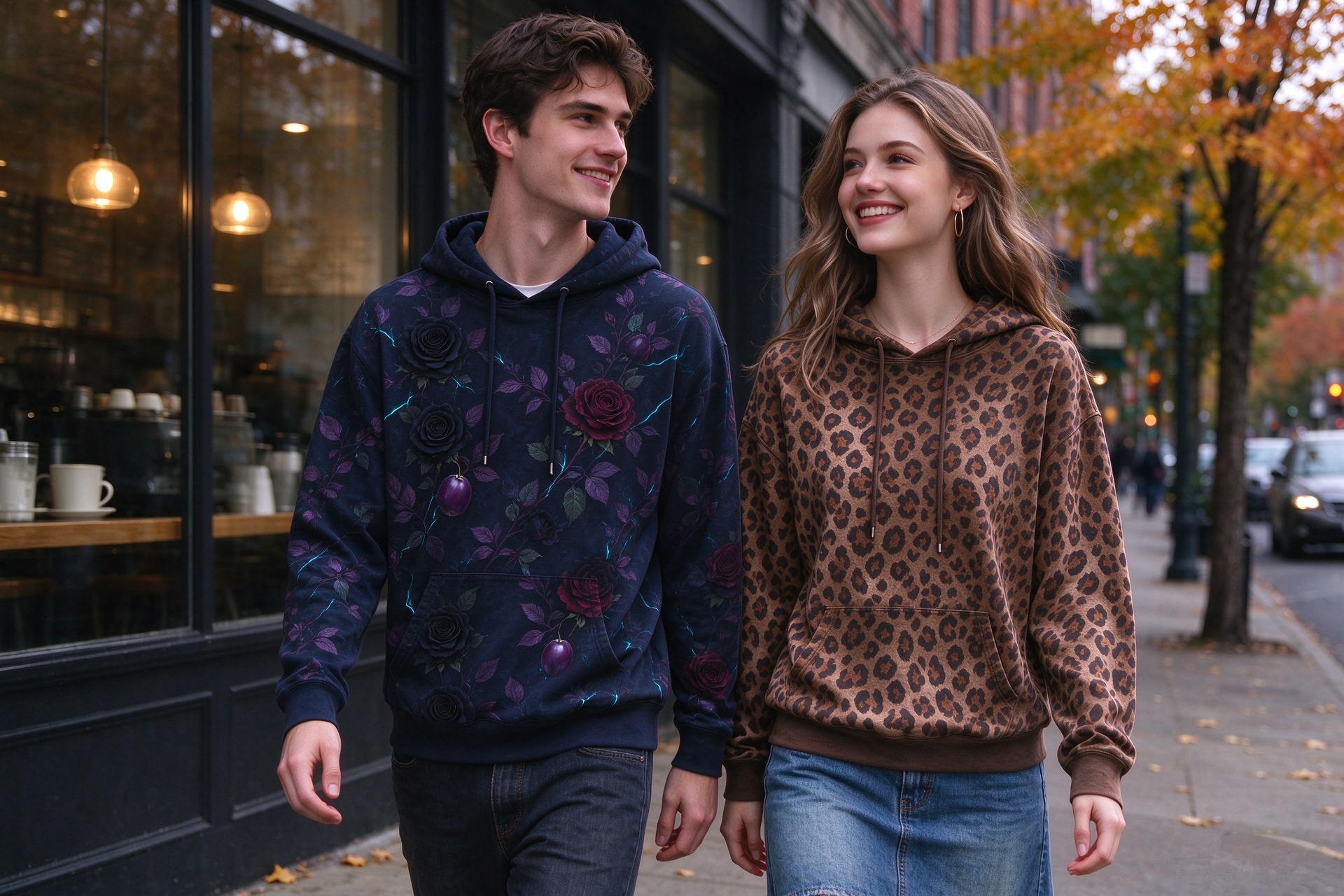
In the print-on-demand (POD) world, All-Over Print (AOP) is the gold standard for premium apparel. It turns ordinary garments into wearable art. However, because the technology is different from traditional printing, it comes with a lot of questions.
Whether you are a seasoned seller or just starting, here are the definitive answers to the 17 most common questions about AOP.
Part 1: The Basics of AOP
Q1: What is All-Over Print (AOP)?
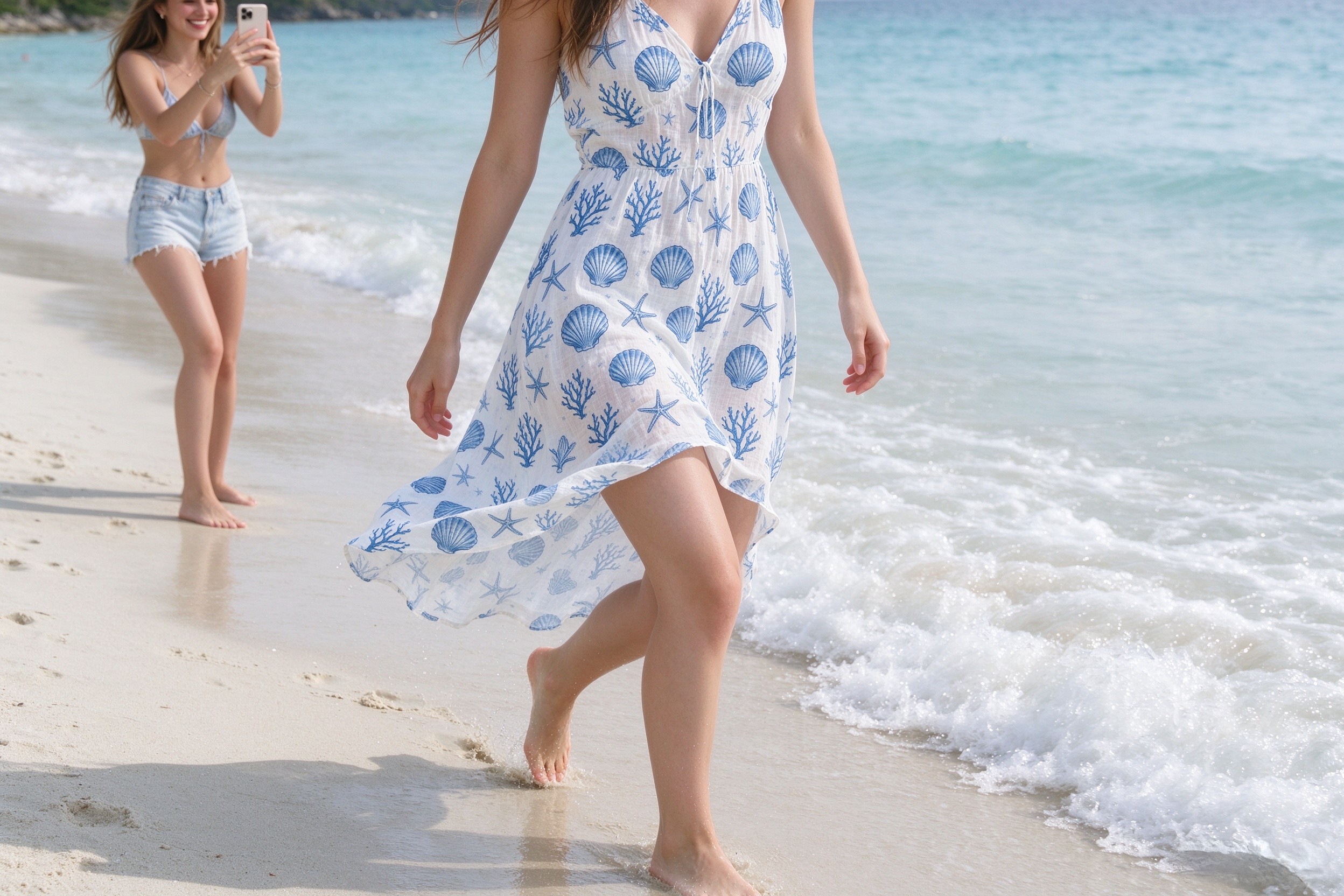
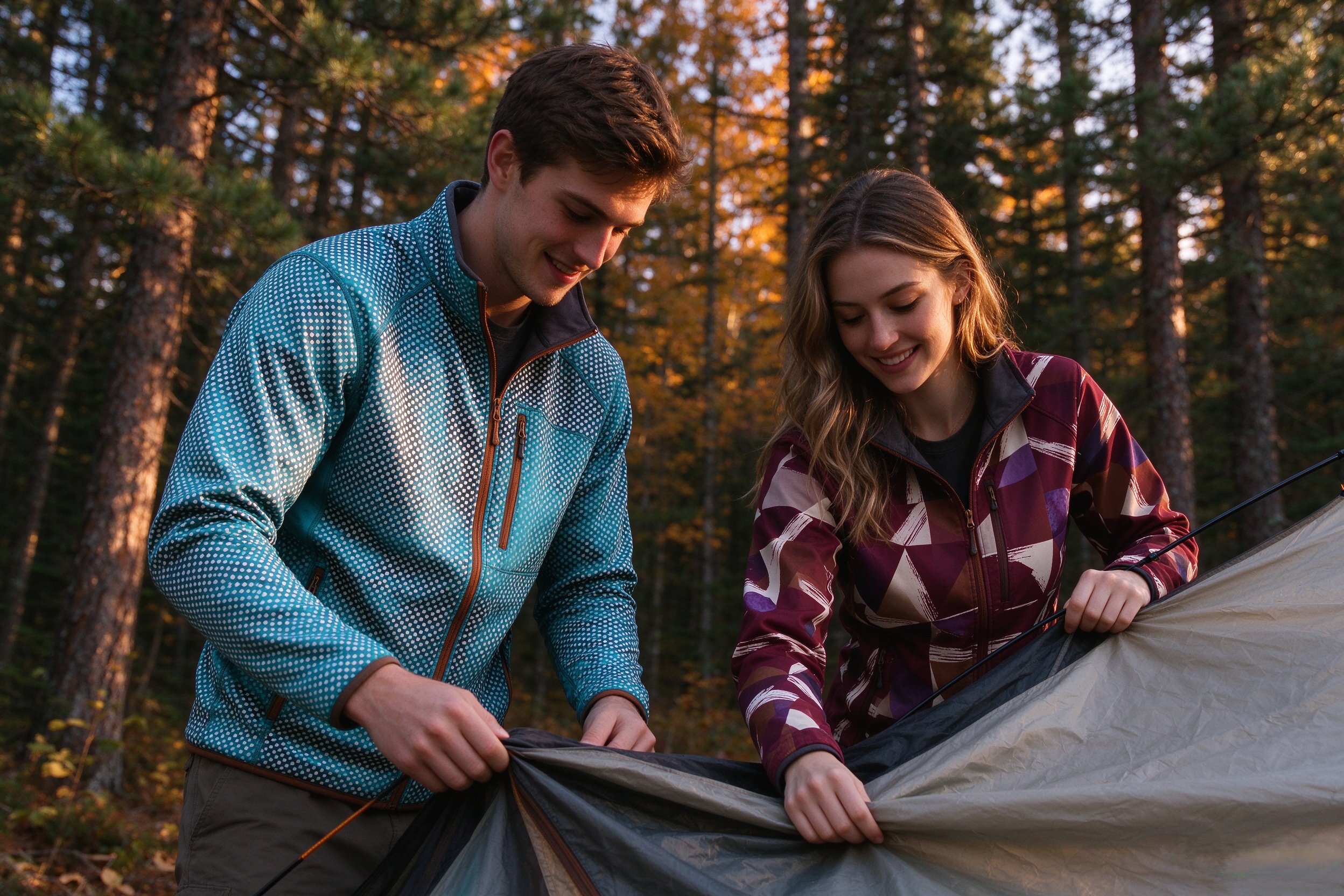
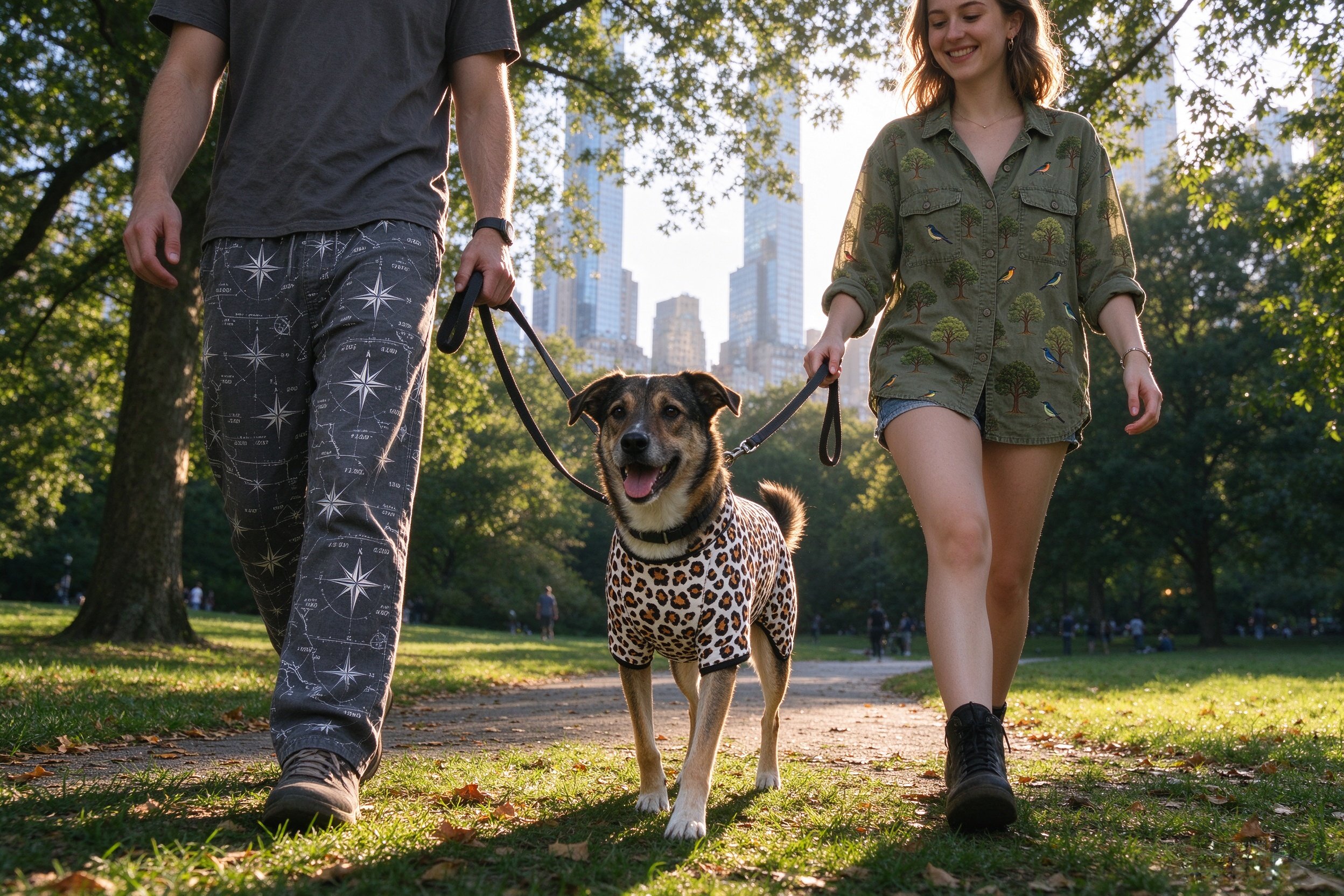
AOP is a printing technique where the design covers the entire surface of the garment—edge-to-edge, from the collar to the hem, and across the sleeves. Unlike traditional printing, which places a small graphic on the chest or back, AOP creates a seamless, immersive pattern with no blank fabric showing.
Q2: Is AOP the same as dye-sublimation?
Essentially, yes. AOP is the visual result, and dye-sublimation is the technology used to achieve it. The design is printed onto transfer paper, then heat-pressed into the fabric. The heat turns the solid ink into a gas, which permanently bonds with the fabric fibers.
Q3: What fabrics can be used for AOP?
AOP requires polyester (100% polyester or a blend with at least 65% polyester).
- Why? Dye-sublimation only bonds with synthetic fibers.
- What doesn't work? Pure cotton, nylon, and rayon will not hold the dye. If you try to sublimate onto 100% cotton, the ink will wash right off.
Part 2: Production and Manufacturing
Q4: How to make all over print shirts?
The process involves three main steps (often called Cut & Sew):
- Print: Your digital design is printed onto large rolls of transfer paper.
- Press: The paper is heat-pressed onto flat sheets of polyester fabric.
- Cut & Sew: The printed fabric is precisely cut into panels (front, back, sleeves) and then sewn together. Because the fabric was printed before cutting, the pattern aligns perfectly at the seams.
Q5: How long does AOP production take?
At Peaprint, the typical turnaround is:
- Production (printing and sewing): 2–5 business days.
- Shipping: 5–10 business days depending on your location.
Q6: Does AOP have a minimum order quantity (MOQ)? Are there price breaks?
With Peaprint, there is no minimum order quantity. You can order exactly 1 piece. More importantly, our pricing is flat—1 piece costs the exact same per unit as 100 pieces. Traditional factories usually require bulk orders (e.g., 50+ units) to get a lower unit price.
Part 3: Quality and Durability
Q7: Will the AOP pattern fade over time?
No. Because the dye becomes part of the fiber's molecular structure, it doesn't sit on the surface like paint. It won't fade with normal washing and wear.
Q8: Will the print crack or peel?
No. Traditional screen printing uses a layer of plastisol ink that can crack when stretched. AOP uses dye that is inside the fabric, meaning the fabric retains its natural stretch and breathability without cracking.
Q9: Can I machine wash AOP apparel?
Yes. We recommend washing inside out in cold water and tumble drying on low heat. Avoid using fabric softeners or bleach, as they can dull the colors.
Q10: Will AOP garments shrink?
No. Polyester fibers have a very low shrinkage rate. Your AOP shirt or hoodie will maintain its original fit after washing.

Part 4: Design and Customization
Q11: Can I print photos on AOP products?
Absolutely. High-resolution photographs look incredible on AOP garments because dye-sublimation prints infinite colors and gradients without the limits of screen printing.
Q12: What file formats do I need for AOP design?
We accept PNG, JPG, PDF, PSD, and AI files.
- Requirements: Ensure your file is at least 300 DPI and set to CMYK color mode to ensure the colors print exactly as they look on your screen.
Q13: Can I use AOP on dark-colored fabrics?
Technically yes, but it’s not recommended. Dye-sublimation works by printing on white or light-colored fabric. If you print on a black or dark navy shirt, light colors won't show up, and the design will look muddy. Always use light-colored base fabrics for AOP.
Q14: Is AOP better than screen printing?
It depends on your business model:
- Choose AOP if you want full-color, edge-to-edge designs, small batches, and no inventory.
- Choose Screen Printing if you are ordering hundreds of solid, single-color shirts (like a local sports team) at a bulk discount.
Part 5: The Business Side (For Sellers)
Q15: Is AOP profitable?
Highly profitable. Because AOP is a premium product, AOP T-shirts typically command a 40–60% higher retail price than standard prints. AOP hoodies can easily generate $20–$35 in net profit per unit, especially with Peaprint's low base costs.
Q16: Is AOP suitable for Print-on-Demand?
It is the perfect match for POD. You have infinite design freedom, zero inventory risk, and the ability to order one piece at a time.
Q17: Where can I source AOP products?
Peaprint provides full-category AOP custom services. Whether you need hoodies, t-shirts, or tote bags, you can print with 1-piece minimums and flat unit pricing.
Still have questions?
We know that launching an AOP product line comes with a lot of moving parts. If you want to test the waters, you don't have to buy inventory or commit to a massive order.
Log in to Peaprint today to start designing your AOP products. With 1-piece production and flat unit pricing (1 piece costs the same as 100), you can test AOP designs with zero risk and zero inventory.