18 Black Friday Print-on-Demand Seller Marketing Tips for 2026
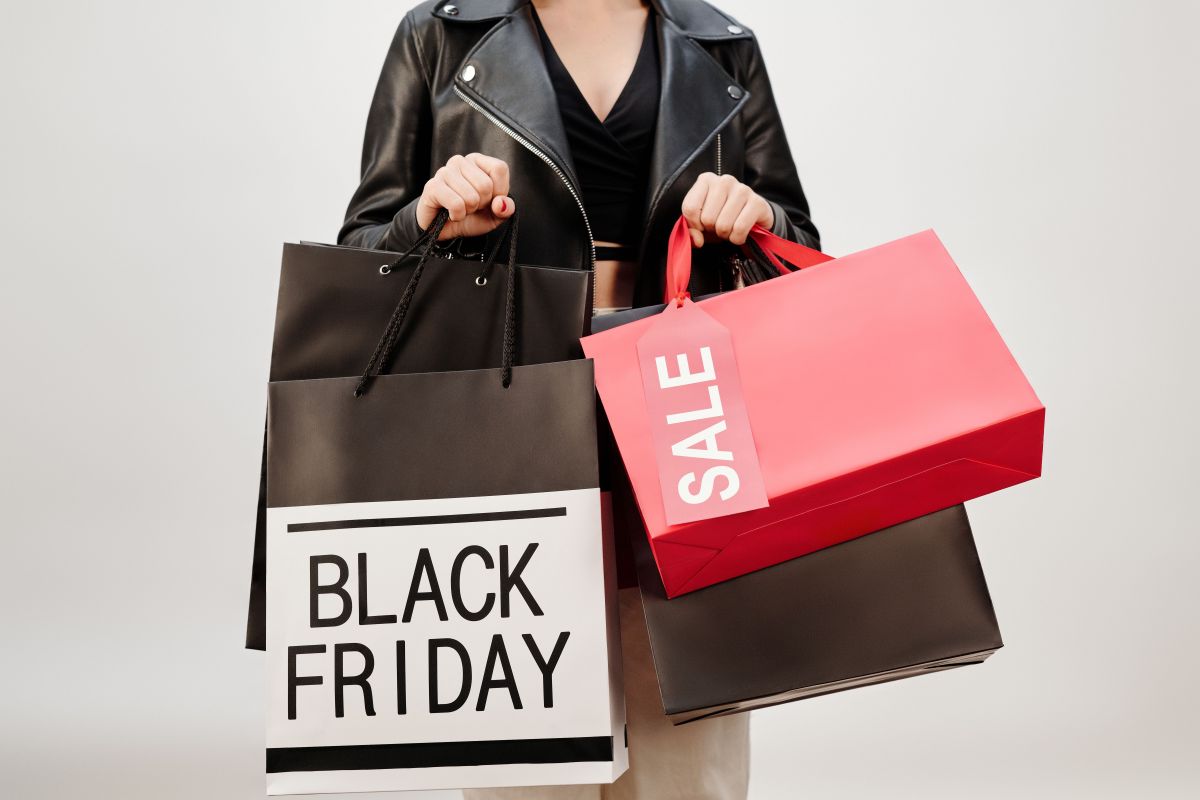
Black Friday falls on November 27, 2026, followed by Cyber Monday on November 30. Countless retailers will slash prices to attract shoppers during this extended shopping frenzy. For print-on-demand sellers, this presents both a challenge and a great opportunity to reach new customers and promote seasonal designs. But a successful holiday marketing campaign takes more than slapping a discount code on your store and waiting for customers to show up. In this guide, we'll share 18 practical Black Friday marketing tips for print-on-demand sellers, along with ways to prepare for the holiday shopping rush and protect your profit margins along the way.
What BFCM Mean for POD Sellers
Black Friday and Cyber Monday, often shortened to BFCM, mark a major shopping period in the United States. For online sellers, it's a chance to attract deal-seeking customers and get their products in front of people shopping for holiday gifts.
The opportunity remains substantial in 2026. Adobe's 2026 holiday forecast projects that U.S. online holiday sales will reach $275.1 billion between November 1 and December 31, a 6.7% increase from 2025. Adobe estimates that Black Friday alone will generate $12.9 billion in online sales, while Cyber Monday could reach $15.1 billion.
Shopify reported that its merchants generated $14.6 billion in global sales during Black Friday and Cyber Monday in 2025, up 27% from the previous year. These figures reflect Shopify merchants worldwide, rather than the entire U.S. retail market, but they show the scale of the opportunity.
For POD sellers, the appeal goes beyond holiday discounts. Personalized clothing, custom gifts, niche-themed accessories, and home decor can all give shoppers a reason to choose a smaller online brand over a mass-market retailer.
18 Black Friday Marketing Tips for Print-on-Demand Sellers
You don't need to run every promotion under the sun to make Black Friday work. Start with the ideas that fit your audience, product range, and budget, then build your campaign around them.
1. Plan Your Entire Holiday Marketing Strategy in Advance
Black Friday shouldn't be the only date on your promotional calendar. For many POD sellers, the shopping season starts well before Thanksgiving and continues into December.
Map out your campaigns from the pre-holiday period through Black Friday, Cyber Monday, and Christmas. Decide when you'll introduce seasonal products, announce discounts, send emails, and publish social content. Give each campaign a clear purpose instead of repeating the same offer for several weeks.
It's also worth planning what happens after Cyber Monday. Some shoppers buy early, while others wait until closer to Christmas. A well-organized marketing calendar helps you reach both groups without exhausting your audience with constant promotions.
2. Start Growing Your Email List Before the Holiday Rush
Email gives you a direct way to reach shoppers without relying entirely on paid advertising or social media algorithms. The earlier you build your list, the more people you'll be able to contact when your Black Friday deals go live.
Offer a useful reason to subscribe, such as early access to holiday deals, a first-order discount, or updates about new seasonal designs. You can collect signups through your website, checkout process, and relevant landing pages.
If you're preparing for Black Friday 2026 now, focus on activating your existing subscribers while continuing to attract new ones. Send a useful preview of your upcoming offers rather than asking people to join a list without explaining what they'll get.
3. Offer Discounts That Customers Actually Value
A large discount looks impressive, but it isn't automatically the best offer for your business. Shoppers want to feel they're getting good value, and you need enough margin left to cover your costs.
Test a few approaches based on your products. A percentage discount might work well for apparel, while a fixed-dollar offer could make sense for higher-priced custom gifts. You can also reserve a stronger discount for selected products instead of marking down your entire catalog.
Make the terms easy to understand. Clearly state which products qualify, whether a minimum purchase applies, and whether other discounts can be combined with the offer. A confusing promotion can create more abandoned carts than completed orders.

4. Create Gift Guides for Specific Audiences
Gift guides help shoppers find relevant products when they don't have a particular item in mind. This is especially useful for POD sellers because personalization and niche designs give you plenty of ways to organize your catalog around interests.
Instead of creating one long page featuring everything you sell, build focused guides such as gifts for dog lovers, personalized gifts for new parents, or holiday finds for outdoor enthusiasts.
Each guide should group products around a real gifting need. Add clear product images, short descriptions, price information, and direct links to the relevant product pages.
You can share these guides through email, social media, and your website's holiday landing page. They can also provide useful content for shoppers searching for gift ideas before making a purchase.
5. Build Anticipation With Social Media Teasers
You don't have to reveal your entire Black Friday campaign in one post. A few well-timed previews can get potential customers interested before your sale begins.
For POD products, visual content is a natural fit. Show upcoming designs, demonstrate how a personalized product looks, or share a short video of the design and production process. You could also preview a seasonal collection without announcing every discount right away.
Choose platforms based on where your customers spend their time. Instagram and TikTok may work well for short product videos, while Pinterest can be useful for gift inspiration and seasonal design discovery.
Include a clear next step in your posts. Direct interested shoppers to a product collection, an email signup page, or a sale announcement rather than leaving them to search for your store themselves.
6. Build Shipping Costs Into Your Pricing Strategically
Shipping costs can make shoppers hesitate at checkout, particularly when they're already comparing several Black Friday offers. One option is to incorporate part of the shipping expense into your product pricing and offer free shipping above a certain order value.
For example, a store could offer free shipping on orders over $50 if its average order economics support that threshold. A customer who originally planned to buy one item might add another to qualify.
Don't choose a threshold simply because the number looks appealing. Calculate your production costs, shipping charges, platform fees, and expected profit first. International orders may require different rules from domestic orders.
If you cannot offer free shipping profitably, consider a limited shipping discount instead. Clear, realistic pricing is better than promising a perk that eats up the profit from every order.
7. Launch Limited-Edition Products and Offer Preorders
Seasonal exclusivity can give shoppers a reason to buy now instead of returning to your store later. POD sellers can use limited-edition designs, holiday colorways, or themed collections to make their products feel more special.
Think about what fits your niche. A pet-themed store might introduce a holiday design for personalized pet apparel, while a clothing seller could release a small collection built around a particular seasonal aesthetic.
Preorders can also help you gauge interest before committing to a larger campaign. However, be transparent about production and delivery times. A preorder is not a promise of immediate shipment, and customers should know when they can reasonably expect their products.
Only use genuine limits on availability or ordering windows. Artificial scarcity may create short-term urgency, but it can undermine trust if shoppers realize the same offer never really ends.
8. Bundle Products to Increase Average Order Value
Bundles give customers a convenient way to purchase related items together, while helping your store increase average order value (AOV).
For example, you could pair matching apparel, offer a selection of themed accessories, or create a coordinated gift set. Bundles work best when the products naturally belong together. Combining random products just to make a larger order is unlikely to persuade many shoppers.
You can offer a modest bundle discount or position the convenience of buying everything together as the main benefit.
Before launching a bundle, confirm that your POD supplier can produce each item reliably. If the products come from different suppliers or facilities, their shipping times may differ. That matters when a customer expects the entire bundle to arrive together as a gift.
9. Add Free Gifts to Encourage More Purchases
A small free gift can make an offer more appealing without requiring you to cut the price of your main product. You might offer a bonus item above a spending threshold or include a complementary product with a particular purchase.
The gift should make sense for your audience. A low-cost accessory that fits the same theme as the main product can feel more thoughtful than a random item added to the package.
For POD sellers, though, a free gift still has production and fulfillment costs. If the supplier charges separately for each item or shipment, those expenses can quickly outweigh the promotional benefit.
Calculate the full cost before launching the offer, then make the eligibility rules clear. Customers should know whether the gift is automatic, whether a minimum order applies, and whether the offer is limited to certain products.
10. Run Time-Limited Flash Sales
Flash sales can create a reason to purchase within a specific window rather than postpone a decision. You might offer a short discount on selected products, introduce a special deal during Black Friday weekend, or run a separate promotion on Cyber Monday.
The key is keeping the offer simple. Make the discount, qualifying products, and expiration time easy to understand. If you're promoting to customers across different U.S. time zones, specify the time zone used for the deadline.
Use flash sales selectively. If your store seems to have a new countdown every day, shoppers may learn to ignore the urgency.
It's also worth checking that your website and supplier can handle the extra demand before you promote a popular product heavily. There is little benefit in generating a sudden wave of orders if you cannot fulfill them within a reasonable time.
11. Recover Abandoned Carts With Automated Emails
Some shoppers will add a custom product to their cart and leave without checking out. They might be comparing prices, looking for a shipping estimate, or simply getting distracted.
An abandoned-cart email gives you another chance to bring them back. A first message can remind them of the products they left behind. A follow-up might answer a common concern, clarify delivery expectations, or highlight a promotion that is still available.
You don't need to offer a discount in every email. If shipping information or uncertainty about the product is the real obstacle, addressing that question may work better.
Set up automated messages through your ecommerce platform or email marketing tool, and exclude customers who have already purchased. For SMS recovery, make sure your messaging practices comply with applicable consent and marketing rules.
12. Use Popups to Highlight Black Friday Offers
A well-timed popup can put an important offer in front of shoppers who might otherwise miss it. Use it to promote early access, collect email subscribers, or announce a seasonal deal.
Keep the message focused. One clear benefit and one action are usually enough. A visitor should understand what you're offering without having to read a wall of text.
Timing matters, too. A popup that appears immediately on every page can interrupt the shopping experience, especially on mobile devices. Consider showing it after a visitor has browsed for a while or when a relevant interaction occurs.
Avoid repeatedly showing the same message to people who have already dismissed it. The purpose is to help shoppers discover an offer, not make them fight their way through your website.

13. Announce Your Holiday Order Cutoff Dates Early
If shoppers are buying custom products as Christmas gifts, delivery timing can be as important as price. They need to know whether an item is likely to arrive before the holiday.
Publish your holiday order cutoff dates clearly on relevant product pages, shipping information pages, and promotional emails. Where necessary, explain that different products may have different deadlines because of their production times or shipping locations.
Distinguish between the last recommended order date and a guaranteed delivery date. POD items need production time before they can ship, and carriers may experience delays during the peak season.
Confirm the dates with your suppliers and shipping providers before publishing them. If a deadline changes, update your site promptly. Clear communication can help prevent disappointed customers and avoidable refund requests.
14. Partner With Micro-Influencers in Your Niche
A creator with a smaller but highly relevant audience may be a better fit for your POD products than a larger account with a broad following.
Look for creators whose content naturally connects with your products. A pet-themed brand might work with a pet creator, while a custom apparel store could collaborate with someone who shares outfit ideas or showcases niche communities.
Give creators room to present products in their own style. A personalized gift shown in a real setting can be more persuasive than a generic promotional graphic.
Agree on the deliverables, timeline, compensation, and tracking method before the campaign starts. Discount codes and tagged links can help you understand which partnerships drive visits and sales. Also make sure paid or otherwise incentivized content follows applicable disclosure requirements.
15. Collaborate With Complementary Brands
Brand partnerships can help you reach people who may not have discovered your store through your own marketing.
Look for businesses with overlapping audiences but different product offerings. For example, a POD seller offering personalized apparel might collaborate with a complementary gift brand on a holiday gift guide or a joint social media campaign.
You could cross-promote seasonal collections, create related content, or provide special offers to each other's audiences. The partnership should give customers a clear reason to pay attention rather than simply producing another round of promotional posts.
Before committing, agree on what each side will contribute, how the campaign will be promoted, and how results will be evaluated. A small collaboration with a well-matched brand can be more useful than a large partnership that reaches the wrong audience.
16. Reward Loyal Customers With Exclusive Perks
Existing customers already know something about your products and service. Giving them a reason to shop again can be more straightforward than convincing a completely new customer to trust your store.
Consider offering early access to Black Friday deals, a special discount for returning buyers, or a preview of new seasonal designs. You can also recommend products based on past purchases, provided the recommendations remain relevant.
Segmentation helps here. Someone who regularly buys personalized pet products may not respond to the same message as a customer who purchased a holiday gift once.
Keep the reward sustainable. You don't need to give every returning customer the steepest discount available. Exclusive access, useful recommendations, and relevant product releases can all help make the relationship feel worthwhile.
17. Encourage User-Generated Content
User-generated content (UGC), such as customer photos, product videos, and genuine reviews, can help shoppers visualize how your products look outside a product mockup. POD products often depend on design details and personalization, so real examples can be particularly helpful. A customer showing a custom shirt or personalized gift gives potential buyers a better idea of how the finished item might look.
Invite customers to share their experiences after receiving their orders. You could create a branded hashtag or ask permission to feature suitable customer photos on your product pages and social accounts. Always obtain permission before reusing customer content, and be transparent when content is incentivized. Encourage honest experiences rather than asking customers to leave only positive reviews.
18. Increase Ad Spend on Campaigns That Convert
Black Friday can be a competitive time for advertising. More merchants are chasing seasonal traffic, so costs may change as the event approaches. Instead of increasing every campaign's budget, start with products, audiences, and creatives that have already shown promising results. Check your conversion rate, customer acquisition cost, return on ad spend (ROAS), and actual order profitability before deciding where to invest more.
Consider testing holiday-specific images, gift-oriented messaging, and retargeting campaigns for shoppers who have viewed products but haven't purchased.
Watch performance as you scale. A campaign that worked well at a small budget may not remain profitable when spending increases. Give yourself room to adjust bids, pause weak advertisements, and move money toward campaigns that generate sustainable returns.
How to Prepare Your POD Business for the Black Friday Rush
Strong marketing can bring more people to your store, but a sudden increase in orders can expose problems that aren't obvious during quieter months. Before launching your campaign, make sure your products, website, suppliers, and support processes are ready.
Choose Products Based on Historical Sales Data
Start with your previous sales records. Look at which products sold well during earlier holiday periods, as well as their conversion rates, profit margins, refund rates, and customer feedback.
If this is your first Black Friday, use your normal sales data to identify promising products. High product-page traffic, consistent add-to-cart activity, and positive feedback can help you decide what deserves more attention.
Don't choose products based on revenue alone. A product that generates many orders but has high advertising costs or frequent quality issues may not be a good candidate for aggressive promotion.

Confirm Supplier Capacity and Quality Before the Rush
Contact your POD suppliers before the busy period and ask about production times, material availability, capacity limitations, and procedures for handling defective items.
It's worth ordering samples of products you plan to promote heavily. Check the print quality, materials, sizing, and packaging so you know what customers can expect.
If you depend on a single supplier for a key product, consider whether a backup option is available. Switching suppliers at the last minute can create problems with product consistency and shipping, so evaluate alternatives before an emergency occurs.
Optimize Your Store for Traffic and Conversions
Review your website from a shopper's perspective. Product pages should load quickly, product images should be clear, and customization instructions should be easy to follow.
Test the full checkout process, including discount codes, payment methods, and shipping calculations. If your store offers a design tool or image upload feature, confirm that it works properly on both desktop and mobile devices.
Mobile performance deserves particular attention. According to Adobe's 2026 holiday forecast, mobile devices are expected to account for 63% of online spending on Thanksgiving Day. That makes mobile usability especially relevant during the holiday shopping period.
Build a Realistic Production and Shipping Plan
Confirm the production and shipping timelines for your most important products. They may vary depending on the supplier, product type, fulfillment location, destination, and shipping method.
Use that information to set realistic order cutoff dates and delivery estimates. Don't assume every product can arrive before Christmas simply because the customer orders before Black Friday ends.
Make sure your promotional emails and product pages use the same delivery information. If some items have longer production times, explain that clearly before customers purchase.
Prepare Customer Support and Clear Store Policies
More orders often mean more questions about customization, discounts, shipping, and order status. Prepare answers to the questions you expect to receive most frequently, and make your shipping and return policies easy to find.
Create a process for handling delayed orders, damaged items, printing errors, and incorrect personalization. Establish who is responsible for each issue, including what needs to be escalated to your POD supplier.
Order tracking and clear confirmation emails can also reduce avoidable inquiries. Customers are more likely to remain comfortable with a delay when they understand what's happening and know where to find an update.
Monitor Performance and Prepare a Backup Plan
During the sale, track your conversion rate, average order value, advertising costs, order status, and refund activity. These numbers can help you spot problems while there's still time to respond.
If a product starts experiencing production delays, you may need to reduce its promotion or temporarily stop accepting orders. If an advertising campaign becomes unprofitable, adjust the budget instead of continuing to spend simply because the campaign was planned in advance.
Prepare for website issues, supplier delays, and checkout errors before the event begins. A clear response plan makes it easier to act quickly without making rushed decisions that create additional problems.
How to Protect Your Profit Margins Without Losing Sales
More orders don't necessarily mean more profit. Discounts, advertising, production, and shipping expenses can add up quickly during Black Friday, so it's worth checking the economics of your promotions before launch.
Calculate the True Cost of Every Order
For each product, account for production costs, shipping expenses you cover, payment processing fees, marketplace or platform fees, discounts, and advertising costs. You should also consider potential refunds, replacements, and reprints.
This gives you a more useful picture than looking at the product's selling price minus the manufacturing cost alone.
For example, if a discount increases sales but leaves too little money to cover customer acquisition and fulfillment, the campaign may not be sustainable.
Use Targeted Discounts Instead of Discounting Everything
Different products can support different promotional strategies. A strong-selling product with a healthy conversion rate may not need a deep discount, while a product that attracts interest but struggles to convert might benefit from a targeted offer.
Review each product's margin and sales history before deciding on its discount. You can protect profitability by focusing promotions on products that have enough room to absorb the reduction.
Increase Average Order Value Without Over-Discounting
Bundles and free-shipping thresholds can encourage larger purchases without requiring you to cut every product's price.
Check how much additional revenue a promotion generates and how much additional cost it creates. A bundle isn't automatically more profitable if its discount is too deep or its shipping expenses are unusually high.
Set Profit Targets and Adjust Campaigns in Real Time
Before the sale, define acceptable customer acquisition costs and minimum order profit targets. During the campaign, compare actual results with those targets.
If advertising costs rise or a promotion underperforms, adjust the offer or pause the campaign. Sales volume matters, but so does the amount your business retains after paying its bills.
FAQs
When Is Black Friday in 2026?
Black Friday falls on November 27, 2026, the day after Thanksgiving in the United States. Cyber Monday follows on November 30, 2026. POD sellers should prepare their promotions, product pages, supplier arrangements, and shipping information before the shopping weekend begins. If you're selling Christmas gifts, make sure your order deadlines account for production time as well as delivery.
How Can Print-on-Demand Sellers Increase Black Friday Sales?
Start by identifying products that already show demand, then promote them with clear, relevant offers. Grow your email list, create holiday gift guides, improve product pages, and use abandoned-cart emails to recover potential orders. Paid advertising can help you reach more shoppers, but monitor acquisition costs and order profitability as you scale. Reliable fulfillment and clear delivery estimates also help customers feel comfortable buying from your store.
What Products Sell Best on Black Friday?
Popular opportunities for POD sellers can include apparel, personalized gifts, home decor, and accessories. However, there isn't one product category that performs best for every store. Demand depends on your audience, designs, pricing, and competition. Use your own sales history and customer behavior to identify promising products, and consider production and shipping costs before investing heavily in a seasonal collection.
How Far in Advance Should POD Sellers Prepare for Black Friday?
Ideally, begin planning several weeks to a few months ahead. That gives you time to research products, confirm supplier capacity, order samples, prepare marketing assets, and build an email audience. If you're preparing for Black Friday 2026 in October, prioritize the essentials first: finalize your product selection, verify production and delivery timelines, test your checkout, schedule promotions, and prepare customer support.