DTG VS. DTF : Choose The Right Printing Method for Your POD Business
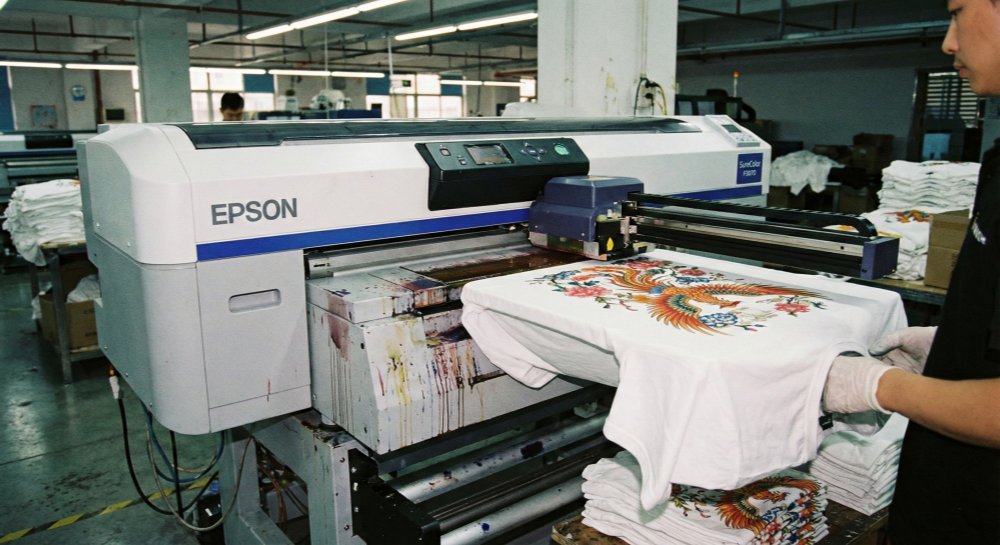
DTF and DTG are two of the most common printing methods in print-on-demand garment . The printing method you choose has many implications when selling custom clothing. If you're exploring which of these two methods is better suited for your POD business, you've come to the right place. In this guide, we'll delve into these two different printing technologies, showing you the key differences between DTF and DTG printing to help you make the right choice based on your needs.
What is DTF printing?
DTF printing (Direct to Film) is a modern apparel printing technique that transfers designs from a printed film onto fabric using heat and adhesive powder. Instead of directly spraying ink onto the fabric, DTF printing first prints the design onto a special PET film, coats it with adhesive powder, and then transfers it to the garment using a heat-pressing process. This printing method produces durable, vibrant prints.
Pros of DTF printing include:
- Suitable for a variety of fabrics, including cotton, polyester, and blended fabrics.
- No preprocessing is required.
- It can deliver vibrant colors and strong coverage.
How DTF printing works
The following are the basic steps for DTF printing:
- Print your design onto a special PET film using DTF ink.
- Then, while the ink is still wet, apply hot melt adhesive powder to the printed pattern.
- Finally, heat-press the design onto the garment. After cooling, peel off the film to leave a print on the fabric.
This is a very simple printing method; if you have a design ready, you can print a garment in just a few minutes. The print is also very durable and washable, remaining vibrant and new even after multiple washes.
What is DTG printing?
DTG printing (Direct to Garment printing) is a digital printing method where ink is sprayed directly onto the surface of the fabric, similar to how an inkjet printer works on paper. It is one of the most widely used technologies in the print-on-demand industry, especially suitable for custom cotton garments. This is because these natural fabrics absorb ink very well and penetrate deep into the fabric fibers, resulting in high-quality, full-color printing. Furthermore, DTG printing typically has a softer feel.
Pros of DTG printing include:
- high-quality prints with vibrant colors and rich details , and the gradient effect is smooth.
- Using water-based inks saves energy and electricity, and requires less ink and overall printing material.
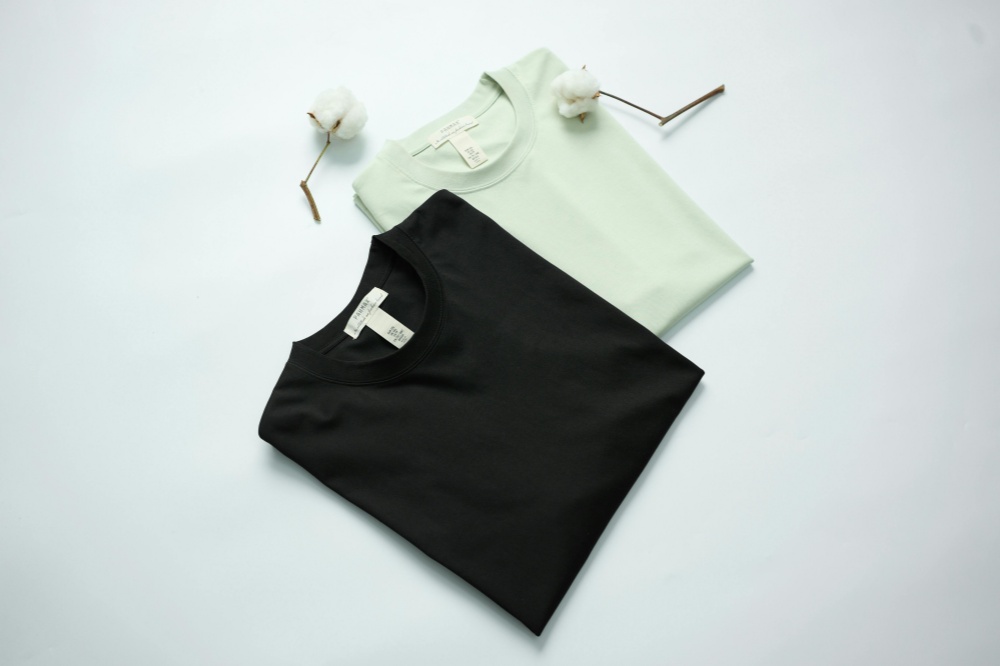
How DTG printing works
DTG printing and DTF printing require fewer steps, and their technical process is as follows:
- DTG printing requires pretreatment of the garment by spraying it with a special pretreatment solution. This allows the white ink to adhere effectively, especially on dark-colored shirts.
- Next, the pre-treated clothes are placed on the printing table, and water-based ink is directly and precisely sprayed onto the clothes using a DTG printing machine to form unique colors and patterns.
- Finally, the printed clothes are air-dried to evaporate the pretreatment agent , allowing the ink to be permanently fixed in the fibers, thus ensuring better durability and washability.
DTF vs DTG: What are the differences?
Here are the main differences between DTG printing and DTF printing methods:
| Feature | DTF Printing | DTG Printing |
|---|---|---|
| Printing Method | Design is printed on PET film and heat-transferred onto fabric | Design is printed directly onto the garment |
| Print quality and durability | Highly durable, long-lasting prints | Durable with proper treatment and care |
| Color vibrancy | Very bright and vivid, especially on dark garments | More natural look, better for light fabrics |
| Fabric Compatibility | Works on synthetics and blends | Best for 100% cotton or high cotton blends |
| Quantity | Suitable for small and large orders | Ideal for small to medium runs |
| Print costs | Lower cost for small to medium runs | High initial equipment costs |
| Eco-friendliness | Uses more materials (film & powder) | More eco-friendly due to water-based inks |
| Production time | Slightly longer due to the transfer process | Faster for single garments |
Now let's discuss the differences in detail to help you make the right choice based on your needs.
Print quality and durability
Both DTF and DTG printing can produce high-quality prints, but they each have their own advantages.
DTF printing is resistant to cracking and maintains vibrant colors even after frequent washing. The adhesive powder firmly bonds the ink to the fabric, minimizing peeling over time. However, it can leave a slightly plastic-like finish, making garments appear somewhat stiff and heavy.
DTG printing offers excellent detail and smooth gradient effects. Because the ink penetrates directly into the fabric fibers, the print feels soft and natural. However, DTG printing may have poor durability on synthetic fabrics and may fade after frequent washing.
Color vibrancy
DTF printing excels in color vibrancy, ensuring striking colors on any fabric, even dark ones, making it an ideal choice for eye-catching designs and vibrant patterns.
DTG printing boasts excellent color reproduction, it typically works best on light-colored fabrics. On dark garments, color vibrancy largely depends on the pre-treatment process; otherwise, the pattern may appear faded. Furthermore, because the ink is sprayed directly onto the fabric, the fabric will absorb some of the color.
Fabric suitability
DTF is a highly flexible printing method, perfectly exemplified by its fabric compatibility. It can be applied to polyester, cotton, nylon, and other blended fabrics without affecting the printing results.
DTG printing has some limitations in terms of fabric types. Due to ink absorption issues, DTG printing does not perform well on polyester or coated fabrics. If your POD business sells products made of mixed materials, such as hoodies, bags, hats, or sportswear, then DTG printing is not suitable .
Quantity
DTG printing is highly efficient , capable of handling both small and large orders . It's also one of the most commonly used printing methods by dropshipping companies because they can print any quantity of goods as needed. Furthermore, since no film preparation is required, unique designs can be printed directly onto garments, minimizing waste.
The same applies to DTF. Whether it's single-piece printing or bulk customization of T-shirts, DTF printing perfectly fits the on-demand production model. Both printing methods can meet various order requirements in terms of production efficiency; the key is which one your business needs.
Print costs
If you want to print your own clothing, the main printing costs come from equipment and supplies. DTG printers range in price from $10,000 to $30,000, while DTF printers are typically under $10,000. Buying blank garments is usually cheaper, but you still need to consider the cost of printing supplies.
However, if you partner with print-on-demand companies like PeaPrint, you can outsource the printing work to more specialized individuals. And there's no upfront investment required, because your products are only produced after the customer places an order and pays. You can use the customer's payment to cover printing and product costs, and the difference is your profit.
Eco-friendliness
How does the sustainability of direct-to-garment printing compare to that of direct-to-film printing? DTG printing technology generates less waste during printing due to the use of water-based inks, making it a good option for companies committed to sustainability.
While DTF printing is still relatively environmentally friendly compared to traditional methods, it requires the use of PET film and adhesive powder, which increases material waste.
Production time
For single or customized products, DTG direct-to-garment printing is faster. Once the garment is set up, printing can begin immediately, making it ideal for on-demand production.
Because DTF printing requires additional preparation steps, such as applying adhesive powder and using a hot press, DTF printing production is slightly slower. However, most professional POD suppliers can still complete printing and shipping quickly.
Which printing method is right for your business?
Choosing between DTF and DTG printing isn't about which is "better," but rather which better suits your on-demand printing business model, target customers, and product strategy. Both technologies are powerful, but they address different problems. Here's how to make the choice.
When to choose DTF printing
If you're looking to sell products made from a variety of fabrics, DTF is the perfect choice. It's compatible with virtually any fabric, offering greater product flexibility. And if your brand image centers around eye-catching artwork, prominent logos, or dark-colored clothing, DTF's vibrant colors will create a stronger visual impact.
For startups looking to print their own clothing, DTF is a better choice, as its flexibility suits businesses of all sizes. The initial investment in equipment won't be too high a budget either.
When to choose DTG printing
If your brand focuses on natural fabrics like cotton, then DTG printing is definitely your top choice. DTG printing achieves optimal results on 100% cotton T-shirts and garments. Because the ink penetrates directly into the fabric fibers, it delivers a soft and breathable feel. This is crucial for fashion brands that prioritize comfort and the wearing experience.
For brands whose designs primarily feature photographs, gradients, and intricate illustrations, DTG direct-to-garment printing delivers the perfect results. Using water-based inks and less plastic, DTG printing supports a more environmentally friendly production approach, making it the ideal option for brands prioritizing sustainability.
FAQs
What is the main difference between DTG and DTF printing?
The main difference between DTG printing and DTF printing lies in the printing process. Direct to Garment prints ink directly onto fabric, where it absorbs into the fibers. Direct to Film prints designs onto a special film, which is then heat-transferred to the garment. This difference affects everything else, including fabric compatibility, durability, cost, and print quality.
Which one is better between DTG printing and DTF Printing?
In the debate between DTF and DTG, there is no universally accepted "better" option ; it all depends on your business model. DTF and DTG are both commonly used printing technologies in POD . Which is the best choice ? It depends on your printing needs, budget, and preferences. DTG printing is ideal for printing soft and durable designs on natural materials. For users who want extremely vibrant, sharp, and clear designs on a variety of products, DTF printing may be a better solution.
Which is more durable: DTF or DTG?
When it comes to durability, DTF printing generally outperforms DTG printing on non-cotton fabrics and frequently washed items. DTF prints form a durable layer on the fabric surface, resisting cracking, peeling, and fading even after many wash cycles. DTG prints are also durable when done properly with correct pretreatment and curing, especially on cotton garments. However, on polyester or blended fabrics, they tend to fade faster than DTF.
Start printing using PeaPrint
Choosing between DTF vs DTG printing is only half the equation — the other half is finding a reliable partner that can execute your vision with consistency, quality, and speed. That's where PeaPrint comes in.
- Full Support for DTF & DTG Printing
- Wide Product Selection
- Global Fulfillment Network
- Seamless Integrations
- Quality Control Guaranteed
Start your POD journey today with PeaPrint and turn your designs into best-selling products, powered by professional DTF and DTG printing.